
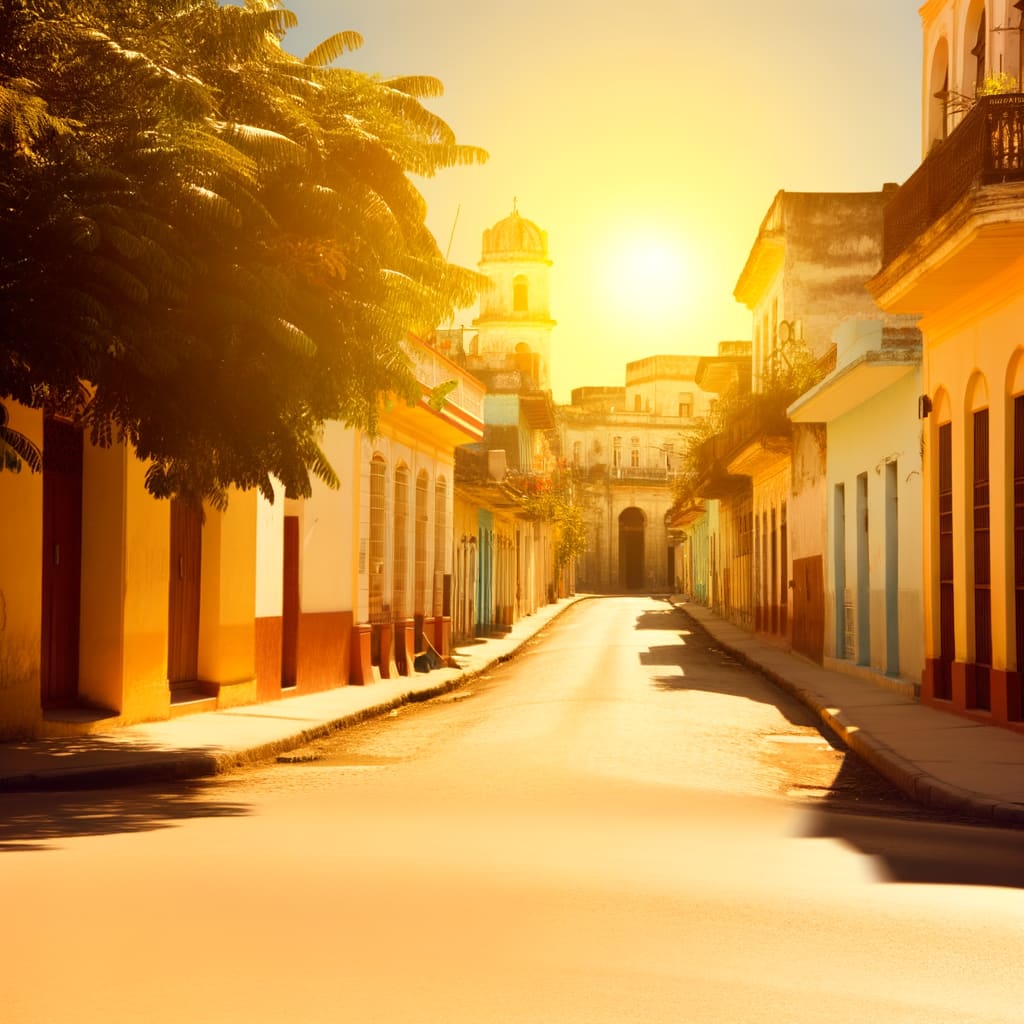
U.S. Sanctions and Fuel Shortages Ignite Crisis in Cuba's Tourism and Energy Sectors
As U.S. sanctions continue to affect oil shipments to Cuba, the island nation is grappling with a fuel crisis that is causing widespread power outages and threatening its tourism industry. In a series of events that have exacerbated the country's economic struggles, millions of Cubans have been plunged into darkness, while airline companies are adjusting routes and suspending flights, impacting the country's vital tourism sector.
A Longstanding Economic Struggle
Cuba has been subjected to economic sanctions from the U.S. for decades, a policy which has had a significant impact on the nation's economy. In recent years, major blackouts have become a recurring issue, even before the U.S. cut off oil shipments to the Caribbean's largest island. Alejandro Francisco Diaz Palacios, Cuba's ambassador to Turkey, recalled an executive order signed by U.S. President Donald Trump on January 30, introducing tariffs on all goods coming from countries that supply or sell oil to Cuba, tightening the blockade and resulting in over $3 billion in losses for Cuba.
Impact on Tourism and Energy
The fuel shortage has led to a significant disruption in Cuba's tourism industry, with airlines such as Air France suspending flights to Cuba starting from the end of March. The country's tourism industry, a key source of income for the government, is collapsing as these sanctions deter travel. Cuban energy officials have stated that the massive power outage could last for 72 hours, leaving millions without power and further destabilizing an already crumbling electric grid.
Reaction and Implications
The U.S. Embassy in Cuba issued an advisory following the blackout, stating that the national electrical grid is unstable and that outages are a daily occurrence across the country, affecting water supply, lighting, refrigeration, and communications. The embassy urged residents to conserve resources and prepare for significant disruption.
The Trump administration's harsh stance on Cuba has been met with alarm in the Caribbean, with neighbours warning that the worsening humanitarian crisis could destabilize the region. However, in a recent development, the U.S. eased the oil embargo on Cuba, potentially signalling a change in policy amidst growing international concern.
Current Status
The current fuel shortage is expected to continue until April, and with no oil tanker having entered Cuban territory since January 9th, the situation remains critical. The latest blackout affected two thirds of the territory, including Havana, and has left the country in a state of uncertainty as it navigates this multifaceted crisis.
Despite the easing of the oil embargo, the full impact of the U.S. sanctions on Cuba's economy, particularly its tourism and energy sectors, is yet to be fully realized. As the island continues to grapple with these challenges, the world watches on, awaiting the next chapter in this ongoing economic struggle.