
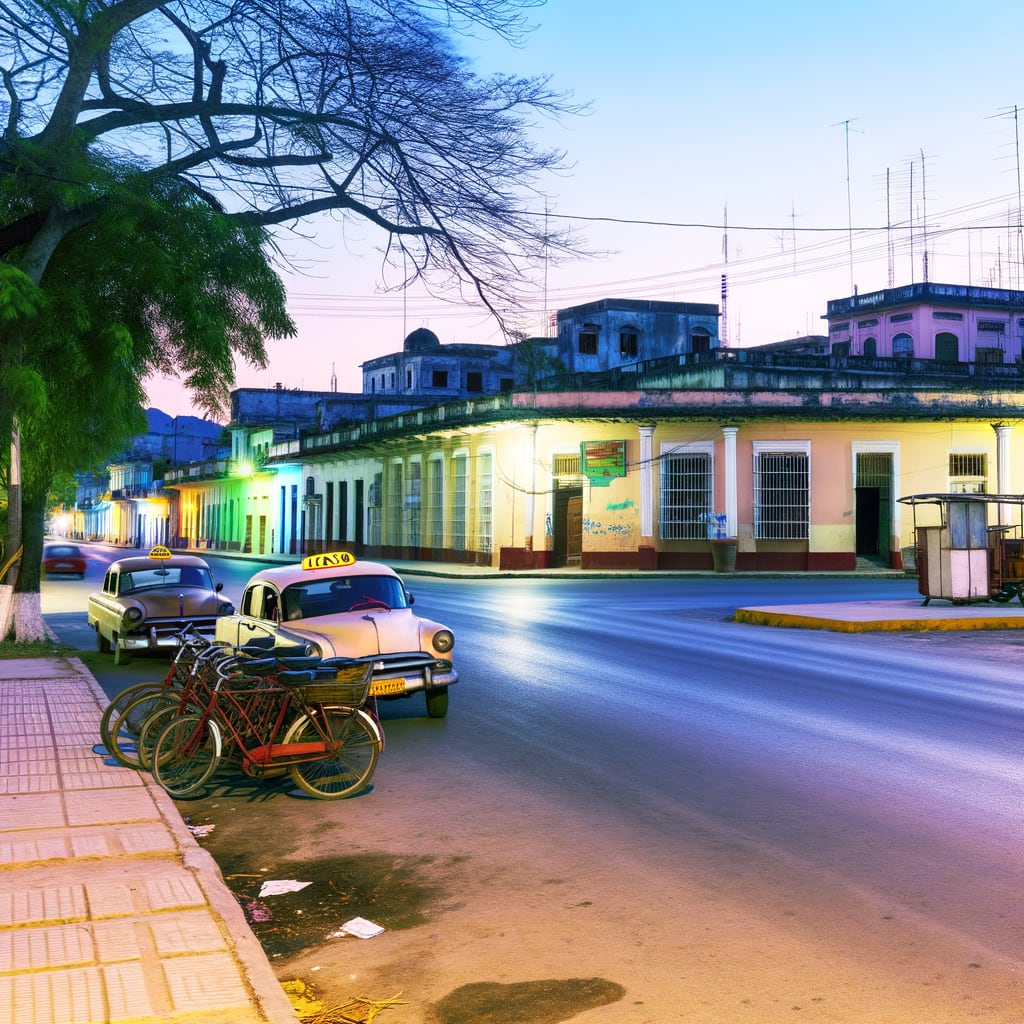
Cuba Faces Fuel Crisis Amid US Blockade, Impacts Tourism and Healthcare
Cuba is grappling with an escalating fuel crisis due to a blockade imposed by the United States, which has significantly disrupted its tourism and healthcare sectors, and strained its longstanding alliance with Mexico. The ongoing US embargo has resulted in a lack of jet fuel, compelling airlines to suspend flights and hospitals to halt surgical interventions, resorting to natural medicine in place of drugs. The crisis also raises the risk of disorder as Cuba attempts to alleviate the American pressure by implementing a 'resistance' plan similar to that used during the collapse of the Soviet Union.
Historical Tensions Escalate
Cuba is being increasingly isolated due to the tightening of the US energy embargo, a move that has led to significant shortages in key sectors. The fall of Cuba's ally, Nicolás Maduro, has heightened the crisis, with the island nation already struggling to meet half of its electricity needs. As the US threatens to impose tariffs on countries supplying oil to Cuba, its longstanding alliance with Mexico is under pressure, pushing Mexico's President Claudia Sheinbaum into a delicate balancing act.
Impact on Tourism and Healthcare
The fuel crisis has had a profound effect on Cuba's tourism industry, a significant source of income for the country. Airlines from the US and Canada have suspended flights due to the lack of guaranteed fuel supply, with Germany issuing a travel warning. Cuban aviation authorities warned that no refueling is possible for aircraft destined for Havana, a situation expected to last until at least March. The crisis has forced airlines to add refueling stops in countries such as Mexico or the Dominican Republic, resulting in higher ticket prices that could potentially hurt tourism.
Healthcare in Cuba has not been spared either. Due to the fuel shortage, hospitals have had to halt surgical interventions and resort to natural medicine, signifying a severe crisis in the sector.
The Cuban Response
In response to the mounting crisis, Cuba has turned to alternative methods to address its energy needs. Vendors on the peripheral highway southeast of Havana are offering coal, and solar panels are being relied upon for power. This shift to alternative energy sources is seen as part of a larger 'resistance' plan employed by Havana, reminiscent of the strategy used during the collapse of the Soviet Union.
Global Reactions
Mexico's President Claudia Sheinbaum has decried the US blockade, stating that it harms the very people the US purports to want to help. However, the pressure from the US to sever ties with Cuba puts Mexico in a difficult position.
Current Status
As of today, the fuel crisis continues to escalate, with Cuba warning of a jet fuel crisis and airlines suspending flights. It remains to be seen how the island nation will navigate these challenges in the days ahead, and what the implications will be for its relations with other countries and for its citizens.