
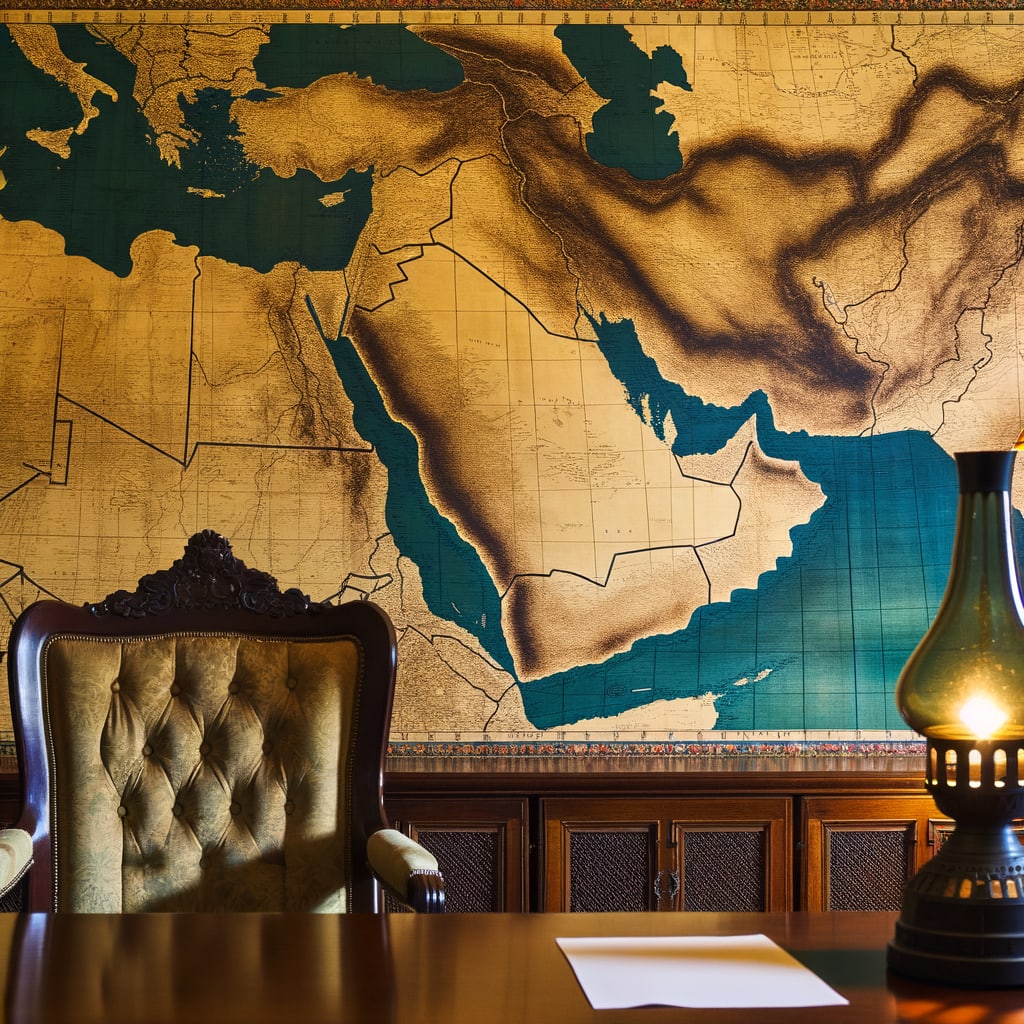
Iran's New Supreme Leader Declares Continued Aggression Amidst Rising Tensions
In his first public address since assuming power, Iran's new Supreme Leader Mojtaba Khamenei has vowed to continue aggressive measures, including the continued closure of the strategic Strait of Hormuz, and attacks on US bases in the region. The announcement, read out on state television, comes amidst escalating tensions and conflict in the Middle East.
Background and Context
Following the demise of his father, Ayatollah Ali Khamenei, Mojtaba Khamenei has stepped into the role of Supreme Leader of Iran, setting forth a defiant stance in the face of ongoing warfare that has spread throughout the Middle East. The new leader's statement has sparked concern globally, with reactions ranging from condemnation to strategic maneuverings.
Key Developments
Khamenei's message was delivered via state television, with no visual appearances by the leader himself, stirring speculations about his health. In his message, Khamenei called for the closure of all US bases in the region, threatening that they would be attacked. He also asserted that Iran should continue using the closure of the Strait of Hormuz, a crucial passage for global oil and gas, as a tool to pressure its enemies.
In response to this, US President Donald Trump stated in an interview with Fox News that he was not happy
with Khamenei's appointment and assured that shipping should not fear crossing the Strait of Hormuz despite the rising tensions.
Reactions and Implications
The international community's reaction has predominantly been one of condemnation. The United Nations Security Council called for an immediate end to Iranian attacks on Gulf states, although this resolution did not mention the US or Israeli attacks on Iran.
Meanwhile, Gulf countries hosting US bases are under increased pressure. Ships in the region are reportedly changing their tracking data to claim links to China to evade Iranian attacks.
Russia, on the other hand, is reportedly providing Iran with advanced drone warfare tactics, a move that has raised concerns in the West.
Current Status
Despite the escalating tensions, Iran's ambassador to the UN, Amir Saeid Iravani, stated that Iran does not plan to shut the Strait of Hormuz completely, maintaining Tehran’s right to safeguard the strategic waterway.
The conflict continues to escalate, with fresh Iranian missile and drone attacks targeting Israel, US bases across the Middle East, and energy infrastructure in the Gulf. The US has retaliated, with President Trump stating that at least 16 Iranian mine-laying vessels 'near Strait of Hormuz' have been destroyed.
In this volatile scenario, the Middle East crisis continues to unfold, with the world keeping a wary eye on developments.