
Global Energy Crisis and Climate Change: A Wake-Up Call
As global energy systems reel under the ongoing Iran crisis and escalating geopolitical tensions, nations are re-evaluating their energy strategies. From China's massive pivot towards wind power to Australia's underestimation of methane emissions, the fossil fuel-driven model is under scrutiny. Amidst these developments, the rising cost of living is a growing concern for communities worldwide.
The Energy Crisis and Climate Change
The climate crisis is taking center stage as global energy supplies feel the pinch due to the Iran crisis. The International Energy Agency (IEA) has highlighted the importance of tackling methane emissions for climate change mitigation and energy security, reports Al Jazeera English. The enormous gap
in Australia's reported methane emissions is a wake-up call for the country, says a report by The Guardian.
A Shift Towards Renewable Energy
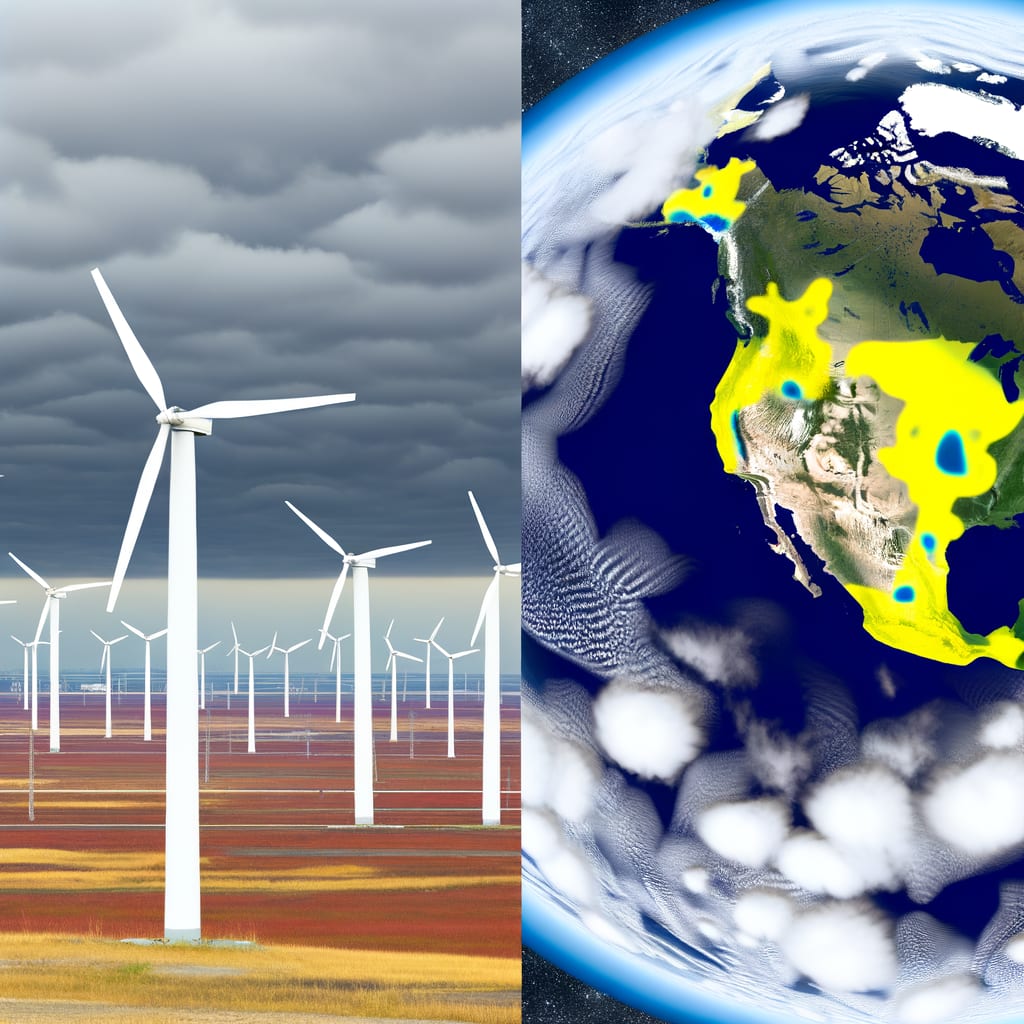
As oil prices stay high, China is doubling down on wind power, with an industrial policy of subsidies and import restrictions, says the New York Times. Chinese solar exports also surged in March, doubling to a record high, according to the South China Morning Post. The IRENA report finds that renewables like wind and solar are gaining ground, often proving to be a bargain compared to fossil fuels.
The Impact of the Energy Crisis
Concerns over escalating costs are not limited to energy alone. Four in five Britons are worried that the Iran war will make food more expensive, says a poll reported by The Guardian. In India, a cooking gas crunch caused by the Iran war has led to the use of alternative fuels like cow dung, reports the South China Morning Post.
Energy Policies Under Scrutiny
Amidst the energy crisis, oil company YPF suspends the sale of its agro business and redefines its strategy in the sector, according to Clarin. Meanwhile, the UAE's upcoming exit from OPEC is interpreted as a political act, with Russia Today suggesting it's a move to challenge the authority of Riyadh and strengthen its strategic autonomy.
A poll by The Guardian indicates that a majority of Australians support taxing profits from gas exports and extending the cut to the fuel excise. At the same time, around sixty countries are contemplating a departure from fossil fuels, a model deemed 'suicidal' and leading to 'barbarism', according to Le Monde.
Conclusion
As the world grapples with the dual challenge of energy security and climate change, the need for a comprehensive and sustainable approach to energy policy has never been greater. Amidst escalating geopolitical tensions and the rising cost of living, the shift towards renewable energy sources is gaining momentum. However, the journey towards a sustainable future is fraught with challenges and requires a commitment from all stakeholders.