
Japan's Prime Minister Takaichi Navigates Tense Summit with Trump Amid Iran Crisis
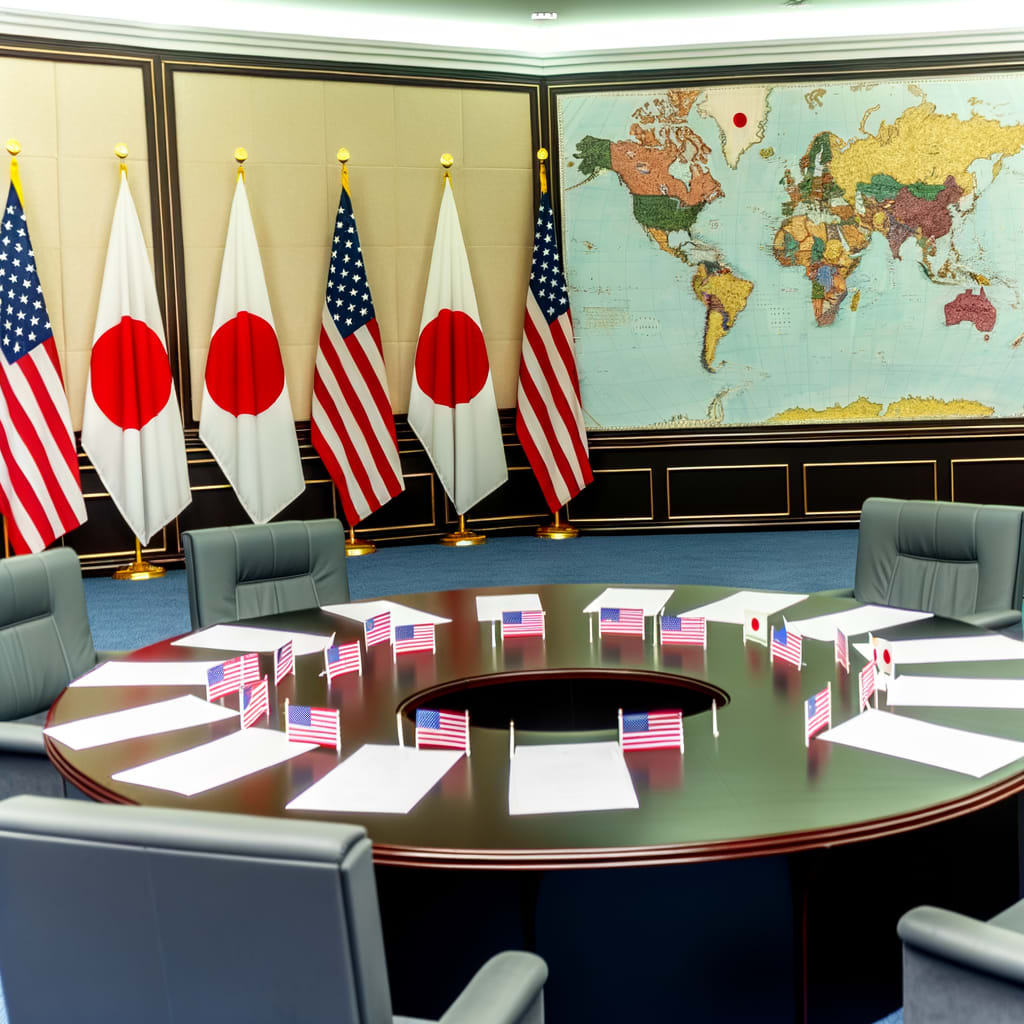
Japanese Prime Minister Sanae Takaichi has skillfully navigated her first summit with US President Donald Trump, amidst an escalating Middle East conflict and a strained global geopolitical landscape. Despite disagreements over Iran and the Strait of Hormuz, the White House meeting concluded cordially with a focus on trade, investment, and deeper economic cooperation.
Background/Context
Takaichi, who found her political voice in Washington decades ago and is now Japan's leader, visited the White House for the first time as Prime Minister. The visit was also the next step in the deal made during tariff negotiations, following Tokyo's $550 billion pledge to the US. The meeting took place against the backdrop of a volatile situation in the Middle East, with Trump seeking assistance from allies in securing the Strait of Hormuz, a key global oil route currently disrupted by the ongoing US-Israel conflict with Iran.
Key Developments
During the summit, Takaichi managed to avoid making specific security commitments regarding the Iran war, a point of contention between Japan and the US. Instead, she emphasized Japan's opposition to Iran's nuclear program development, aligning herself with Trump's desire to be perceived as a peacemaker. Trump praised Takaichi's stance, stating that Japan is stepping up to the plate
on Iran, unlike NATO allies whom he criticized for their reluctance to join the US effort.
Despite this, Takaichi expressed caution about Trump's request for Japanese military support in the Middle East. She received praise for her charm and restraint, avoiding Trump's wrath and impressing many, including her domestic supporters.
Implications and Reactions
The summit underscored the broader issue of Trump's appeal to East Asian allies for help in the Middle East, a legal dilemma for many nations, including Japan. The US President's demand for nations relying on oil shipments through the Strait of Hormuz to deploy their naval units has been met with mixed reactions. French President Emmanuel Macron has ruled out France's participation, while the UK, along with other allies, has expressed readiness to contribute to appropriate efforts to ensure safe passage through the Strait.
As the Iran war rages on, Trump's focus on this conflict has reportedly led him to postpone a summit with Chinese leader Xi Jinping, further complicating the U.S.-China relationship.
Conclusion and Current Status
The international community continues to watch as the US-Israel conflict with Iran disrupts essential global shipping routes, causing soaring oil prices and straining diplomatic relations. Amidst this, Prime Minister Takaichi's successful navigation of her first summit with President Trump signals Japan's determination to maintain a nuanced approach to the ongoing geopolitical challenges. The meeting's success should not be overly emphasized, experts say, as the war in the Middle East will test their relationship further.