
Australia's IS-linked Families Released from Syrian Camp, Turned Back and Refused Repatriation
A group of 34 Australian women and children with familial ties to deceased or imprisoned Islamic State (IS) fighters were released from a detention camp in north-east Syria, but were forced to return after an attempted repatriation went awry, and the Australian government refused to accept them.
The Background
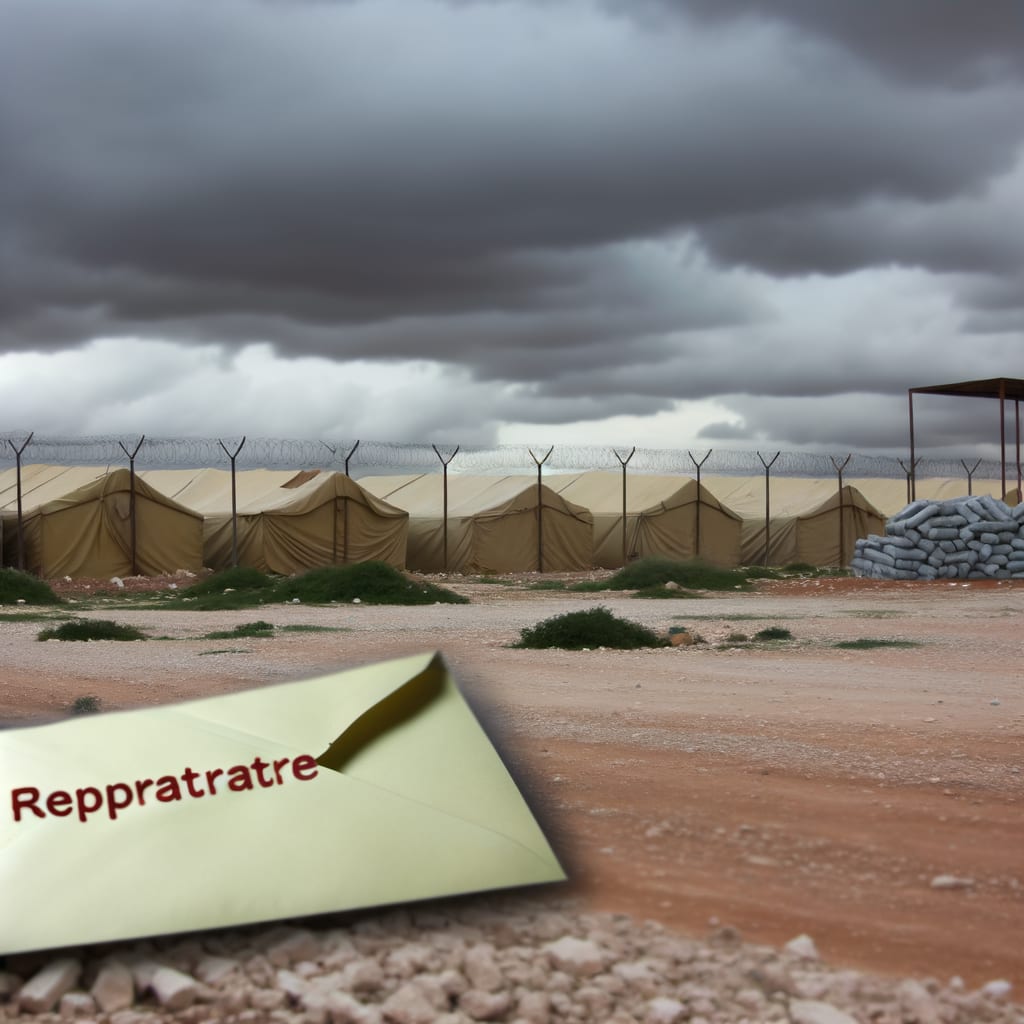
The women and children had been held since 2019 in the squalid al-Roj camp in Syria, a detention center for families of suspected IS members. The facility has been criticized as a breeding ground for extremism, with humanitarian organizations warning that the residents, including 8,000 women and children from over 40 nations, could not be left indefinitely. Despite these warnings, most states, including Australia, have refused to repatriate their citizens.
The Release and Repatriation Attempt
The Syrian Democratic Forces (SDF), a Kurdish-led group, released the Australians for repatriation. However, the Syrian government halted the transfer. The convoy of 34 Australians, including women and children, had to head back to the camp.
Meanwhile, in Australia, Prime Minister Anthony Albanese insisted that his country would not accept the returnees. He ruled out any aid or assistance for these Australians linked to suspected IS fighters.
The Reaction in Australia
Home Affairs minister Tony Burke is currently taking advice
from security agencies regarding whether the Australian women and children in the Syrian detention camp should be temporarily banned from returning. It remains unclear how many in this group such an order would apply to.
The Current Situation
The situation has sparked security concerns as the al-Hol camp's population reportedly dropped by thousands after the SDF's chaotic handover to the Syrian government. Concerns are mounting for the safety of the women and children held in prison camps for detainees suspected of links to the IS, as Kurdish authorities cede control of the camps to the Syrian government.
Despite the release, the group remains stranded at the Roj camp due to poor coordination with the government in Damascus. Amidst this uncertainty, detainees and rights groups warn of escalating violence and abuse in the al-Roj camp as authority over the camp shifts.