
Russian frigate fires warning shots near UK-registered yacht in the English Channel; UK investigates
Narrative Snapshot
- Cross-outlet consensus fixes the essentials: warning shots by the Russian frigate Admiral Grigorovich within a few hundred metres of a UK-flagged pleasure yacht, approximately 20 nautical miles south of the Isle of Wight, in international waters; no injuries or damage reported; the UK Ministry of Defence (MoD) is investigating (The Guardian, BBC, Corriere della Sera, SCMP, NYT, CBC, TASS, ANSA).
- Moscow frames the action as collision avoidance and compliance with international shipping rules (DW, TASS), while UK political messaging calls the conduct “reckless” but “not hostile” (The Guardian, ANSA, Al Jazeera). First-hand testimony from the yacht’s occupants disputes key Russian claims (BBC, La Repubblica).
- Coverage outside the UK tends to relay official positions with limited operational detail; UK reporting adds on-scene response (HMS Tyne’s boat visit) and political calibration, while French and Italian outlets situate the incident within broader European concerns over maritime frictions (Le Monde, La Repubblica).
- The policy stakes are twofold: operational seamanship and safety norms during close encounters in congested waters, and the signaling function of Russian naval movements around Northern Europe amid reports of rising maritime incidents in adjacent theaters (Le Monde).
What Happened
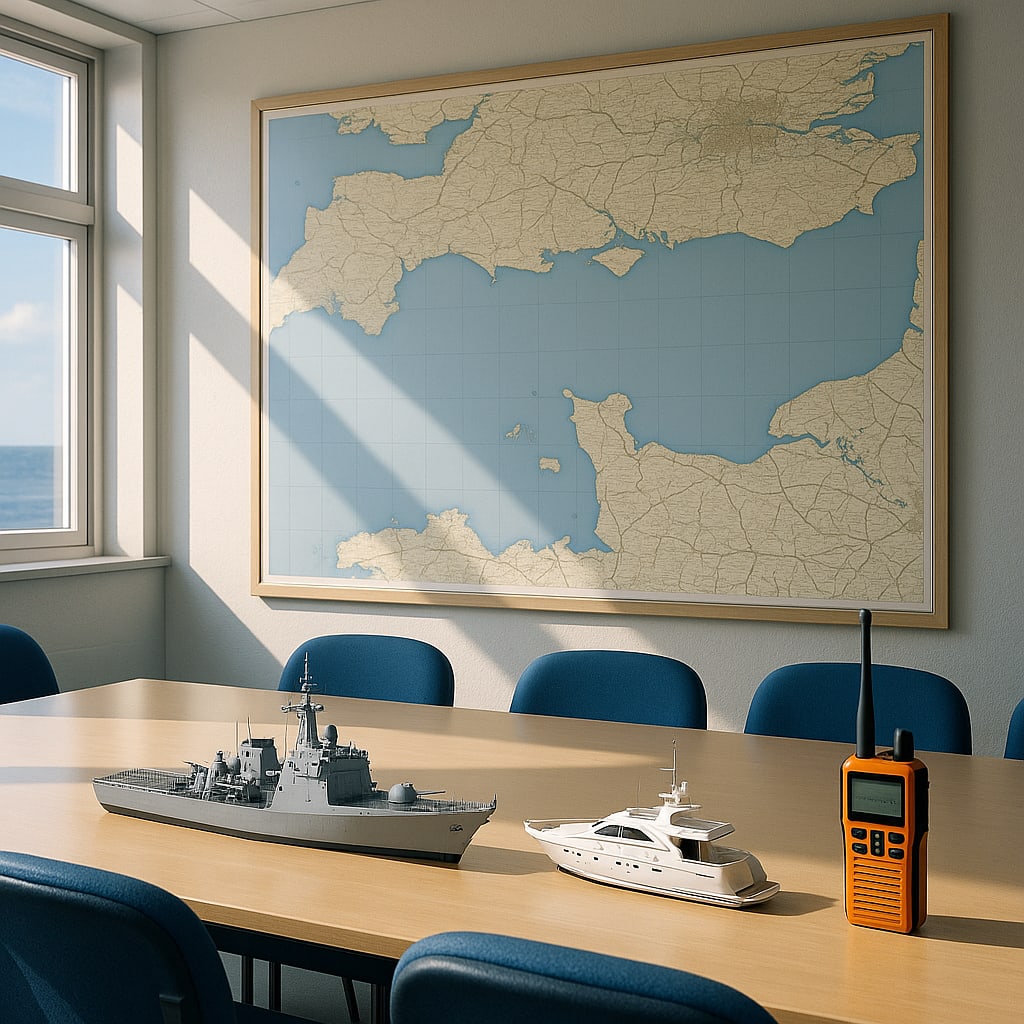
On 16 June 2026, a Russian Navy frigate, Admiral Grigorovich, fired warning shots within several hundred metres of a UK-registered pleasure yacht in the English Channel, a little over 20 nautical miles south of the Isle of Wight (The Guardian, BBC, NYT, TASS). Reports place the incident in international waters; a source cited by SCMP described it as close to British territorial waters. The yacht notified the UK Coastguard; a boat from HMS Tyne later visited to collect details and verify crew safety (The Guardian). No injuries or damage were reported (The Guardian, SCMP, Corriere della Sera). Russia’s Defense Ministry said the shots responded to a “dangerous approach” and complied with international regulations to prevent collision (DW, TASS). The UK MoD opened an investigation, and Prime Minister Keir Starmer subsequently called the firing “deeply concerning and reckless” while characterizing it as not hostile (The Guardian, ANSA, Al Jazeera).
Why It Matters
The episode tests practical seamanship norms and the management of close-proximity encounters between military and civilian vessels in one of the world’s busiest waterways. Moscow’s claim of adherence to “international shipping regulations” sets a justificatory frame that, if left uncontested, normalizes warning fire as a collision-avoidance measure around Russian units operating near Western coasts (TASS, DW). London’s response—investigation and calibrated language (“reckless” but “not hostile”)—signals an effort to contain escalation while preserving space to tighten safety protocols and operational postures around Russian transits (The Guardian, ANSA). More broadly, European reporting links the event to a pattern of heightened maritime friction, with Swedish naval leadership citing a multiplication of incidents in the Baltic as Russia’s presence grows (Le Monde). For decision-makers, the case underscores the need for consistent incident-at-sea handling, coordinated allied messaging, and surveillance/escort policies that reduce ambiguity without creating hair-trigger interactions.
Diverging Narratives
- Cause and compliance: Russia states the yacht made a “dangerous approach,” and that the crew acted strictly per international rules to avert collision (DW, TASS). UK political statements judge the firing “reckless” yet stop short of calling it hostile (The Guardian, ANSA, Al Jazeera). Brazilian coverage goes further, saying both governments framed the action as collision-avoidance (Folha de S.Paulo), a characterization not echoed in initial UK briefings, which emphasized an ongoing investigation (BBC, NYT).
- Proximity and comportment: Multiple outlets cite “within 500 metres” or “a few hundred metres” (The Guardian, Corriere della Sera, RT; The Guardian, 17 June). The yacht’s occupants, identified as Jane and Alan Kelvey, reject claims they were close or received radio contact, disputing that their course was “dangerous” (BBC; La Repubblica, 17 June).
- Operational setting: Most reporting places the incident in international waters south of the Isle of Wight (Corriere della Sera, DW, RT, TASS), while SCMP notes it occurred close to UK territorial waters. The Guardian adds that the MoD assessed the Russian vessel was drifting when it fired (The Guardian, 17 June), a detail absent from Russian accounts that stress active collision prevention.
- Risk framing: UK and Canadian coverage highlight national security and tension-management angles (Sky News; CBC). European analysis connects the event to a wider uptick in maritime incidents tied to Russian activity around Northern Europe (Le Monde).
What Happens Next
- UK investigation and characterization: The MoD’s findings will determine whether London hardens its stance beyond “reckless but not hostile” or treats the case as a safety lapse. Indicators: an MoD incident report or statement clarifying distances, communications, and rules-of-the-road compliance; any reference to Coastguard logs or Royal Navy after-action notes (BBC, The Guardian).
- Russian posture: Moscow has already asserted full compliance with international regulations (TASS, DW). Watch for reiterations of that position in official briefings and whether additional detail (e.g., navigation warnings, bridge-to-bridge communications claims) is offered to reinforce the “collision-avoidance” framing.
- Maritime operating practices: UK assets have been monitoring Russian naval movements in recent weeks (CBC). Analysts should track any adjustments to Royal Navy/Coastguard escort and monitoring posture in the Channel, and allied messaging on maritime safety amid reports of rising incidents in the Baltic (Le Monde, CBC).
- Testimony and corroboration: First-person accounts diverge from official Russian claims (BBC; La Repubblica, 17 June). Further public detail from UK authorities could narrow this gap; signals would include confirmations about radio contact, vessel tracks, and assessed risk at the time of firing.