
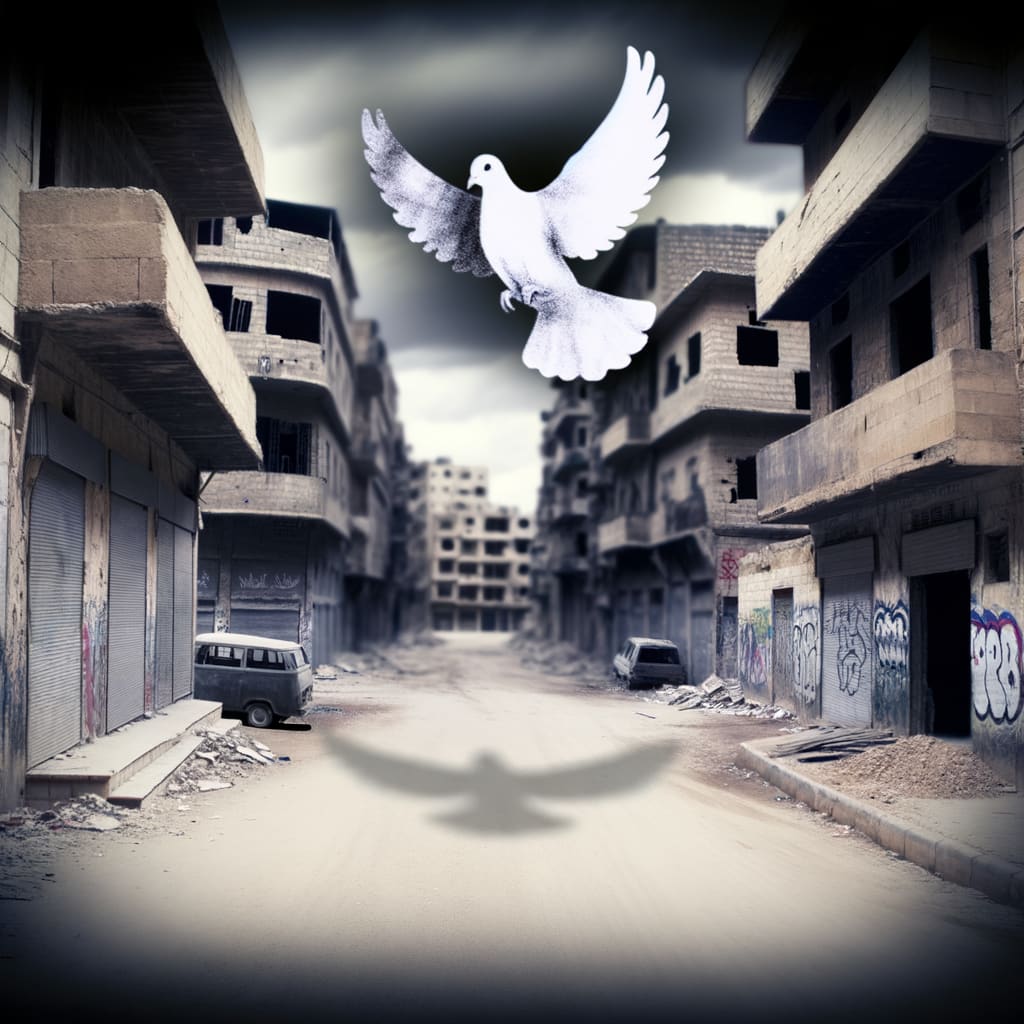
Deadly Clashes in Aleppo Ignite Fears of Wider Conflict
Intense fighting between the Syrian army and the US-backed Kurdish-led Syrian Democratic Forces (SDF) in Aleppo, Syria's second-largest city, has sparked fears of a broader conflict. The three-day clash has resulted in significant civilian displacement, with an estimated 140,000 to 100,000 people fleeing their homes since late December according to varying sources.
Conflict Escalates Amidst Failed Ceasefire Attempt
The Syrian army initiated evacuations in three contested neighbourhoods of Sheikh Maqsoud, Ashrafieh, and Bani Zeid last Thursday, opening humanitarian corridors and displacement shelters for civilians. The government declared a curfew, disrupting flights, shops, universities, and schools. However, the Kurdish forces have reportedly declined the government's demand to withdraw, describing it as a call to surrender and vowing to defend their neighbourhoods.
The councils of Ashrafieh and Sheikh Maqsoud districts said in a statement that the call to leave Aleppo amounted to 'a call to surrender,'
reported Middle East Eye.
Ceasefire Falters and Fighting Resumes
Following the intense fighting which resulted in at least 22 fatalities, the Syrian Defence Ministry announced a ceasefire that came into effect at 3 am local time. The terms of the ceasefire stipulated that the Kurdish militants were to leave the contested neighbourhoods and relocate to the northeast of the country, which is controlled by the SDF. They would also be allowed to take light arms with them.
However, the ceasefire rapidly collapsed as the SDF fighters refused to withdraw, leading to the resumption of the fighting. This refusal has been met with intensified artillery fire, causing more civilian injuries and complicating the humanitarian situation.
International Reactions and Implications
The violent clashes have drawn international attention and condemnation. Israel has openly criticized the Sharaa regime's attacks against the Kurdish minority in Aleppo. Meanwhile, reports suggest that Washington is attempting to mediate a de-escalation of the situation. Analysts have expressed concerns that a temporary ceasefire may provide short-term relief but fail to address the complex issues underlying the violence.
With thousands fleeing amid shelling, can US, Turkish, and UN mediators stop a full-scale war?
questioned Deutsche Welle.
Current Status and Future Outlook
As the standoff continues, Kurdish political leader Ahmad Suleiman has called for dialogue between the Syrian army and the SDF to avoid a real disaster in Aleppo.
As the attempts to merge the Kurdish SDF with the national army show little progress, the deadly clashes serve as a grim reminder of the fragile peace in the region.