
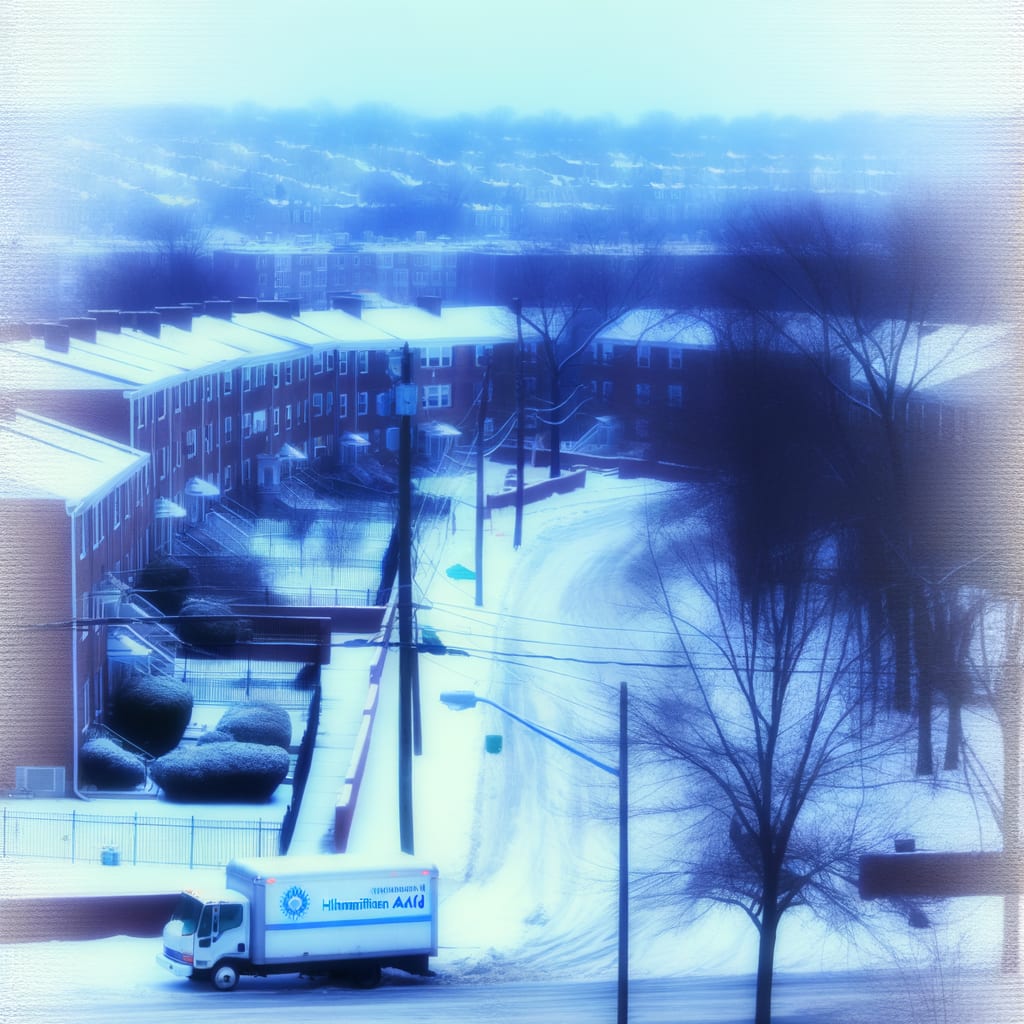
Over One Million Ukrainians Left Without Essential Utilities After Russian Attacks
In an escalating humanitarian crisis, Russian strikes have left over one million Ukrainians without water, heat, and electricity. The situation is particularly dire in the Dnipropetrovsk and Zaporizhzhia regions, which have been almost entirely cut off from power due to the attacks on energy infrastructure. This crisis has been compounded by freezing temperatures, making restoration of essential utilities a critical need.
Background and Context
As winter sets in, Russian attacks on Ukraine's energy sites have intensified, resulting in heating and water outages in several regions. The Ukrainian authorities, as well as their allies, see this as a strategic move to wear down the civilian population12. Among the hardest hit are the Dnipropetrovsk and Zaporizhzhia regions, where Russian overnight strikes have left nearly 800,000 homes without electricity and heat3. In the city of Kryvyi Rih, six major boiler houses have shut down, leaving approximately 39,000 customers without power4.
Key Developments
Ukraine's state-owned hydropower firm, Ukrhydroenergo, has received a 75 million euro loan to help purchase stockpiles of critical supplies, replace equipment damaged by Russian attacks, and refurbish and modernize old equipment5. While this financial boost is expected to aid in the restoration process, the situation remains critical, especially in the city of Dnipro, which Mayor Borys Filatov has described as a national-level emergency6.
In the Dnipropetrovsk region, approximately 250,000 residents remain without heating and around 20,000 without water1. In the Zaporizhzhia region, power has since been restored, but hundreds of thousands of homes in Dnipro remain without electricity and heat3. Meanwhile, in the Kyiv region, over 142,000 consumers remain without electricity due to deteriorating weather conditions7, and emergency power outages have been implemented8.
Implications and Reactions
The Ukrainian authorities have urged residents to stock up on water and limit the use of high-consumption electrical appliances to prevent renewed outages as repairs continue39. The Russian attacks have not only left people without essential utilities but also caused significant damage to residential buildings and facilities. Since the start of Russia’s full-scale invasion, more than 12,000 residential buildings, 373 educational institutions, 85 medical facilities, and 36 churches have been destroyed or damaged in the Dnipropetrovsk region10.
Current Status
Repair work is ongoing to restore services as quickly as possible3. However, the number of people affected by the strikes on the Dnipropetrovsk's energy infrastructure continues to rise, with estimates ranging from 800,000 to over one million1112. The situation remains difficult, with many areas still cut off from heat and water. The Ukrainian authorities and international community are closely monitoring the situation, and further aid is expected to alleviate the crisis.