
Massive Protests Erupt in Iran Amid International Support and Tension
As anti-government protests continue to surge in Iran, international support for the Iranian people has been witnessed in global cities such as London, Paris, and Istanbul, while tensions escalate between Iran and several western nations. The Iranian government, grappling with nationwide unrest, faces increasing challenges both domestically and globally.
Background
The recent protests, initially sparked by shopkeepers disgruntled by rising inflation, have evolved into demands for political change and calls for the downfall of Iran's clerical establishment. The demonstrations, which began over the fall in the value of the country's currency, have been met with a brutal crackdown by the country's security forces.
According to Iran's top diplomat, President Hassan Rouhani has met with representatives of the protesters, acknowledging the ongoing demonstrations. Despite this, the unrest continues, leaving Iran's rulers more exposed than ever.
International Reactions and Tensions
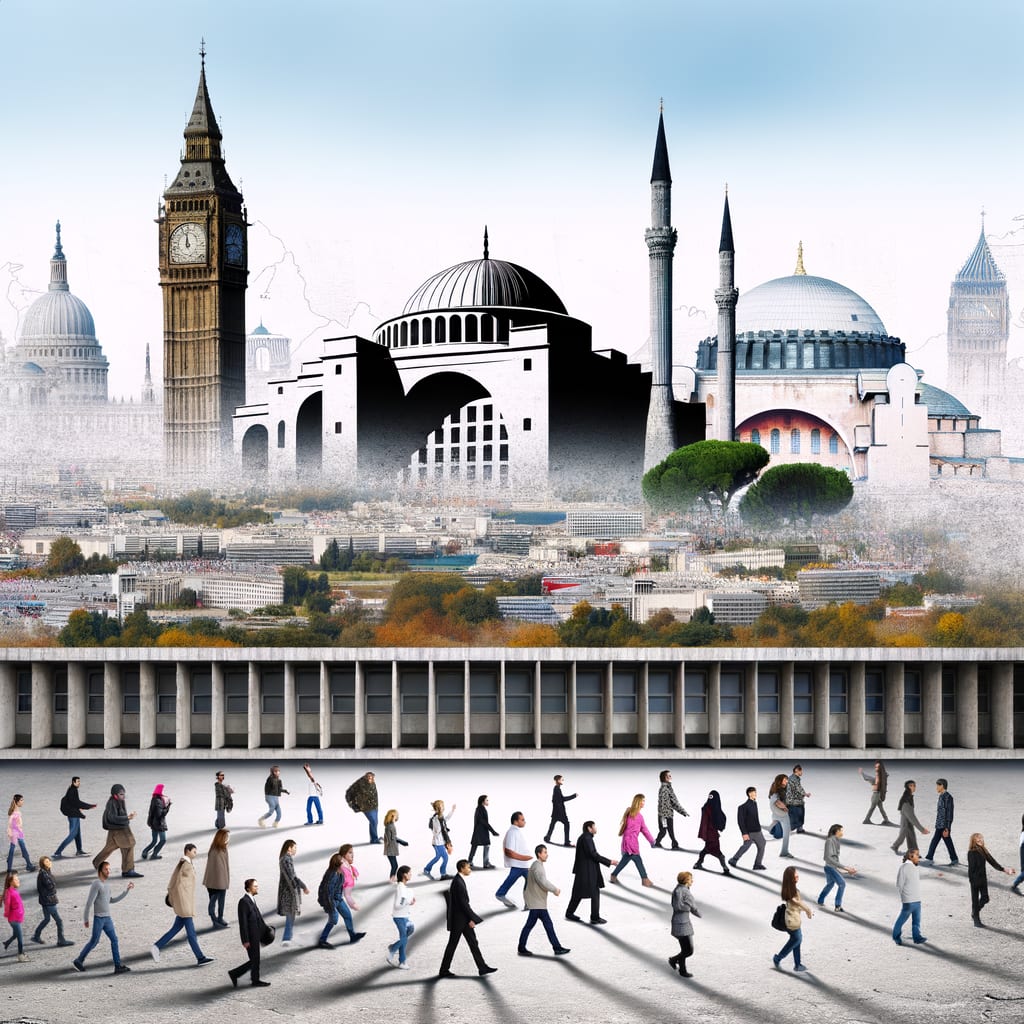
Internationally, masses have gathered in various cities such as London, Paris, and Istanbul to support Iran's anti-regime protests. Meanwhile, the U.S. State Department has issued an urgent security alert advising all American citizens in Iran to depart the country immediately. This directive was echoed by the U.S. Virtual Embassy Tehran, which warned citizens to make their own risk assessments and travel plans due to the inability of the U.S. government to guarantee safety.
The warning comes as more than 600 people have been confirmed dead in the ongoing anti-government demonstrations according to an activist group. The U.S.-based Human Rights Activists News Agency reported that a majority of the dead were protesters while others were members of Iran's security forces.
Iran, on the other hand, has opened a communication channel with the U.S. and has summoned the ambassadors of Italy, France, Germany, and the United Kingdom. The Iranian Foreign Minister, Abbas Araghchi, announced that his country is ready for war but also for dialogue.
International Concerns
Despite the escalating tensions, major Arab Gulf states such as Saudi Arabia, Oman, and Qatar are reportedly trying to persuade the U.S. to abandon any regime-change plans in Tehran. Their concern is primarily the disruption of the Strait of Hormuz, a crucial waterway for global oil markets, which could be severely rattled by a potential conflict.
Tehran has warned the U.S. and Israel against any intervention over the nationwide protests, threatening to target them if a strike occurs.
Social Media Response
Social media has been flooded with support for Iranian protesters, however, there has been trepidation about foreign interference. Many users expressed that Iranians deserve democracy, but they also emphasized that the U.S. and Israel should not be seen as their saviours.
Conclusion
While the Iranian leadership may survive the current protests, the anger among Iranians is likely to persist, reflecting a growing perception of the Islamic Republic as stagnant and ideologically hollow. The unprecedented convergence of internal and external pressures makes these protests distinct from previous ones, leaving the world watching closely as the situation continues to unfold.