
US-Cuba Tensions Escalate Amid Drone Acquisition Rumors
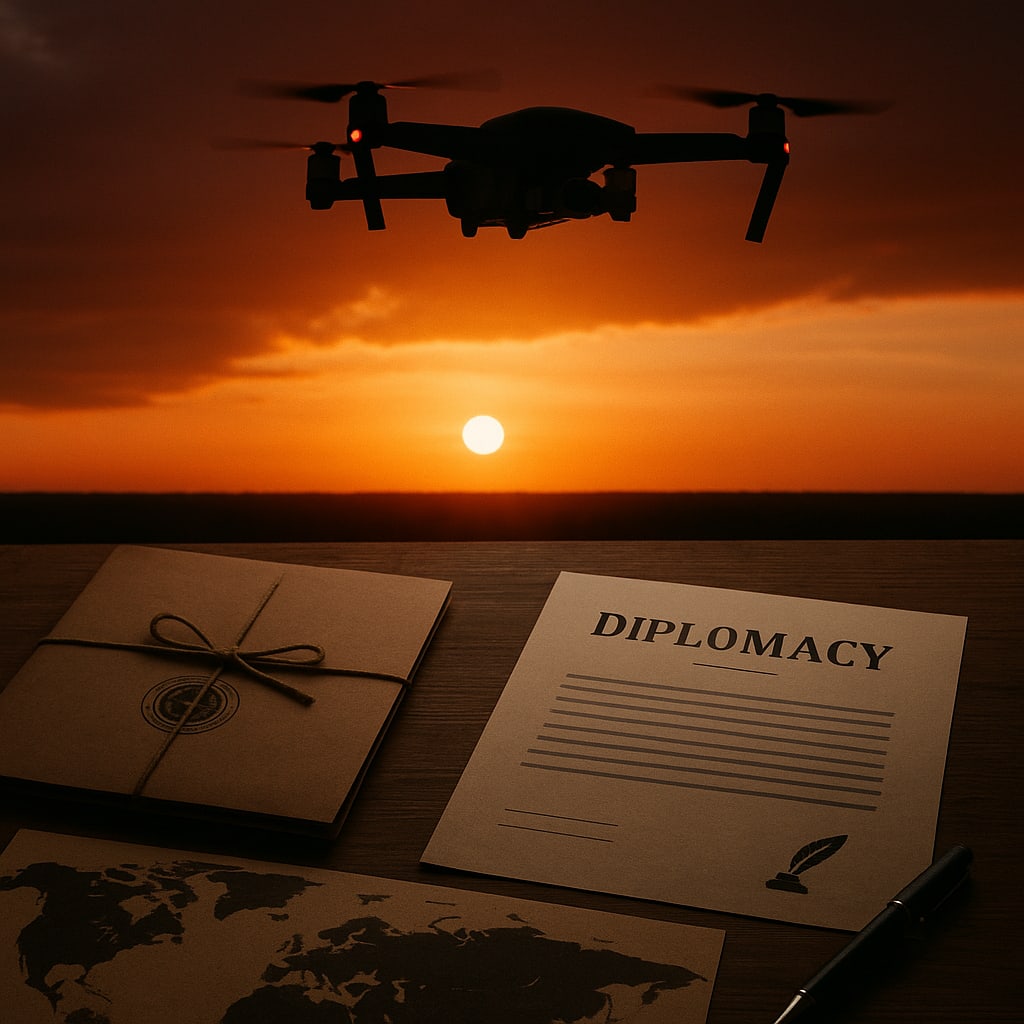
Heightened tensions between the U.S. and Cuba, sparked by allegations of Cuban drone acquisitions from Russia and Iran, continue to escalate. The situation has prompted vehement denials from Cuban officials and sparked widespread international speculation over potential U.S. military action.
Background and Context
Recently, Axios reported that Cuba had discussed plans to use drones to attack U.S. targets, including the naval base at Guantanamo Bay. This report was quickly rebuffed by Cuban Foreign Minister Bruno Rodriguez Parrilla, who accused the U.S. of fabricating a pretext for a potential invasion. He described the Axios report as an attempt to concoct a fraudulent case to justify the ruthless economic war against the Cuban people and, eventually, military aggression.
According to Deutsche Welle and Kyiv Independent, Cuba has reportedly purchased over 300 military strike drones from Russia and Iran. This development has drawn concern from U.S. officials, with a senior U.S. official stating, When we think about those types of technologies being that close, and a range of bad actors from terror groups to drug cartels to Iranians to the Russians, it's concerning.
Key Developments
The New York Times reported that the U.S. is considering capturing one of the leaders of the Cuban Revolution, Army General Raul Castro. This comes after the Trump administration imposed sanctions on top Cuban officials and three government agencies, including the police.
In response to the escalating tensions and threats, Cuban President Miguel Diaz-Canel warned of a bloodbath
in the event of an American attack, stressing Cuba's right to defend itself as per international law and the United Nations Charter. This sentiment was echoed by Ernesto Soberon Guzman, a Cuban diplomat, who emphasized Cuba's right to legitimate self-defense in the face of U.S. aggression.
Reactions and Implications
The U.S. allegations have led to international speculations about possible military escalations and regime changes. Al Jazeera English reported on the mounting economic pressure and military threats faced by Cuba, as the U.S. ramps up its effort to cripple the Cuban government.
The South China Morning Post reported that the U.S. Treasury added Cuba’s main intelligence agency and top leaders to its sanction list, further escalating the tension between the two nations. In response, Iran warned of an immediate, regret-inducing
response to any new enemy attack, emphasizing that threats or acts of aggression would be met with immediate and decisive reactions.
Conclusion
Presently, the situation remains tenuous, with both sides maintaining their respective positions. As the U.S. increases pressure on Cuba, Havana continues to deny the allegations and uphold its right to self-defense. The international community watches closely as the situation unfolds, with concerns over potential military escalation and its implications for regional peace and stability.