
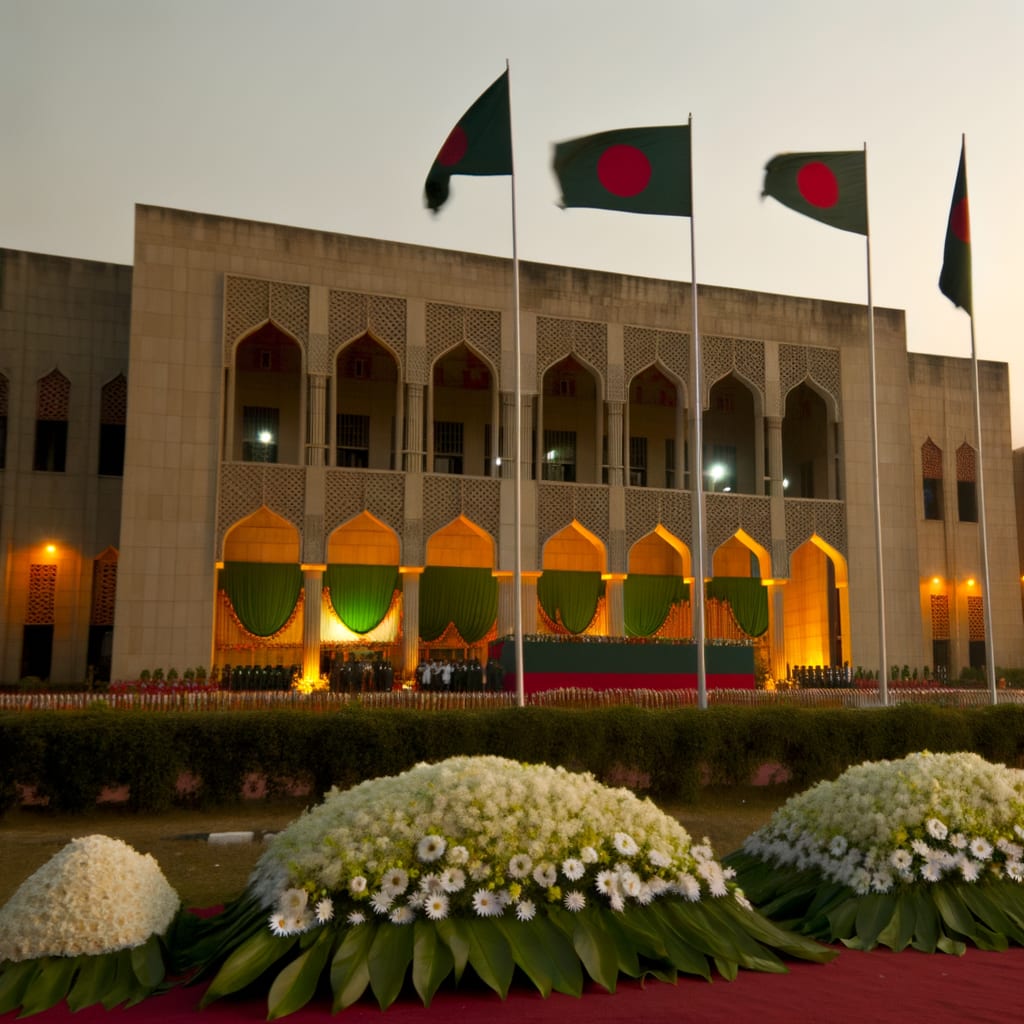
Former Bangladesh Prime Minister Khaleda Zia Dies at 80
Khaleda Zia, the trailblazing first female Prime Minister of Bangladesh, has died at 80 following a prolonged illness, in Dhaka. Her passing was confirmed by her political faction, the Bangladesh Nationalist Party (BNP), marking the end of an era in the country's political history.
A Lifetime of Power and Resistance
Zia first became the country's leader in 1991, following Bangladesh's first democratic election in 20 years. She was the South Asian nation's first female prime minister, serving as the head of the government from 1991 to 1996 and 2001 to 2006.
Zia's tenure was marked by a bitter rivalry with Sheikh Hasina, another political dynast, with whom she alternated leadership of the country over several decades. Despite the political differences, her contributions to the nation have been acknowledged by figures such as Muhammad Yunus, chief adviser of the interim government of Bangladesh, who said, Despite political differences, her long political journey dedicated to national welfare, her people-oriented leadership, and her firm resolve always showed the way.
However, Zia's legacy was not without controversy. She was handed long prison terms on corruption charges in 2018 but was released in August 2024 following anti-government protests.
Khaleda Zia's Health and the Future of BNP
Zia had been suffering from advanced cirrhosis of the liver, arthritis, diabetes, and heart problems. Her death came at a critical time for the BNP, with her son Tarique Rahman recently returning from a self-imposed exile in London.
Rahman, who has been leading the BNP as acting chairman since 2018, is considered a top candidate for the upcoming elections. His return to Bangladesh was met with massive crowds of supporters. His parents both once held top government roles, and his mother's death could potentially influence the political landscape in the upcoming elections.
World Reacts to Khaleda Zia's Death
Tributes have poured in from around the world as Bangladesh mourns the loss of Khaleda Zia. Indian Prime Minister Narendra Modi expressed his condolences, recalling his meeting with Zia in 2015.
Zia's death marks the end of an important chapter in Bangladesh's history. Despite her controversial legacy, she is remembered for her role in restoring democracy and empowering millions of women in the country.
Bangladesh now faces a time of political transition, as it prepares for its first post-Hasina elections. As the nation grieves the loss of a former leader, the focus will inevitably shift to the future and the path that lies ahead for the Bangladesh Nationalist Party.