
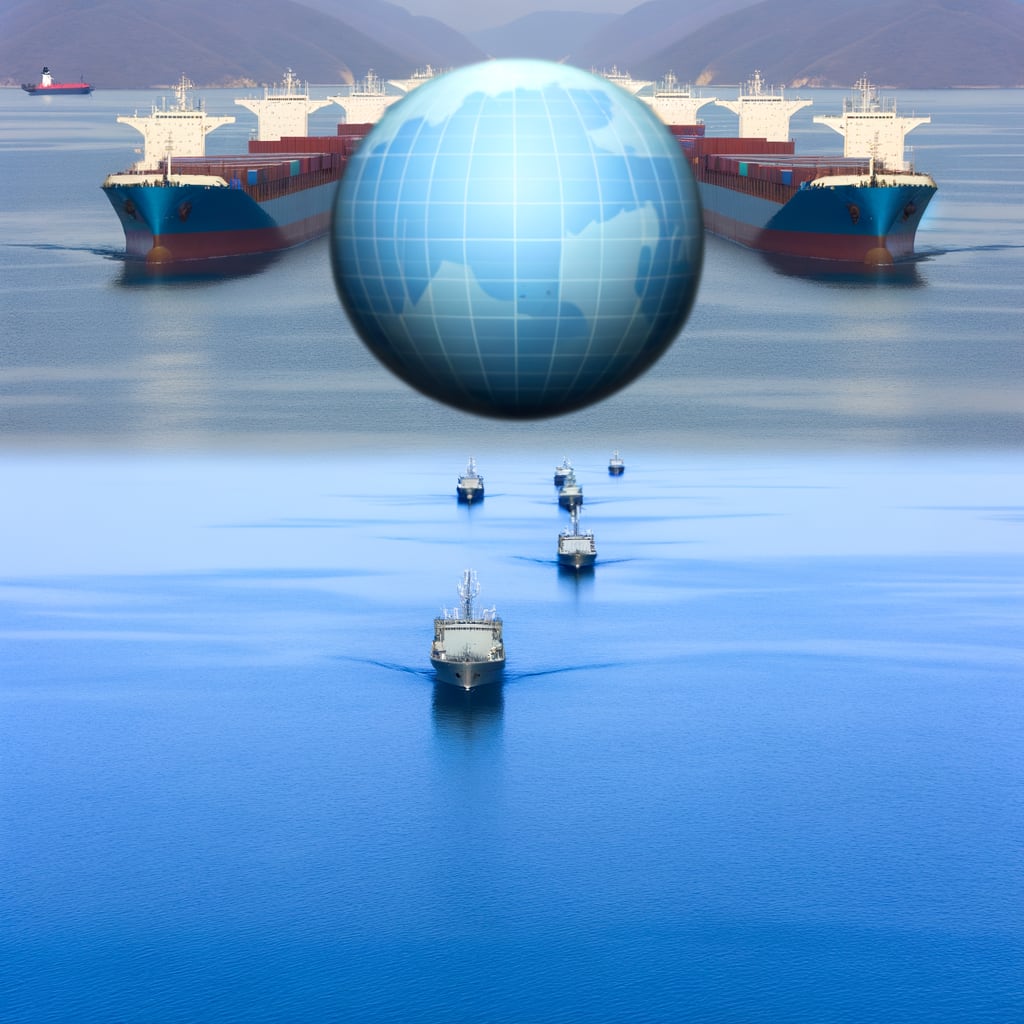
U.S. and Iran Lock Horns Over the Strait of Hormuz Amid Rising Tensions
As tensions escalate in the Middle East, the U.S. and Iran are at odds over the critical Strait of Hormuz. The U.S. may start escorting ships through the Strait by the end of March, according to Energy Secretary Chris Wright. In contrast, Iran insists ships can pass, provided they coordinate with the Iranian Navy.
Background
The Strait of Hormuz, a major transit point for global oil and gas supplies, has been a point of contention since the U.S.-Israeli war on Iran began. At least 10 vessels have been attacked since Iran effectively closed the waterway on February 28, according to data from shipping tracker Marine Traffic. This disruption has caused significant spikes in global energy prices and prompted countries to consider alternative sources of supply.
Key Developments
While the U.S. Treasury Secretary Scott Bessent confirmed that the U.S. Navy could start escorting commercial vessels through the Strait when militarily possible, some ships continue to transit despite the conflict.
Iran, on the other hand, maintains a contrasting stance. Iranian Foreign Ministry Spokesman Esmaeil Baghaei stated that vessels could pass through the Strait with permission from the Iranian Navy. Iran's ambassador to the UN, Amir Saeid Iravani, further affirmed that Iran has no intention of blocking the Strait but emphasized Tehran's right to preserve peace and security in the waterway.
Reactions and Implications
The ongoing conflict has led to an increased war-risk insurance cost and a drastic reduction in commercial traffic through the Strait. This has put pressure on global energy markets and Gulf producers that rely on the narrow corridor for oil and liquid natural gas exports.
Meanwhile, several countries, including China, are exploring ways to evade Iranian attacks. Some ships are reportedly changing their tracking data to claim links to China in a bid to bypass the attacks.
The UN Security Council has condemned Iran's attacks on the Gulf but did not mention the U.S. and Israeli attacks on Iran. This omission has drawn strong criticism from Tehran’s ambassador.
Current Status
Despite the rising tensions, the U.S. states it is not ready to launch an operation to escort tankers through the Strait of Hormuz. On the other hand, Iran has called for vessels transiting the Strait to abide by wartime laws to avoid 'accidental shelling'.
As the world watches the unfolding situation, it remains to be seen how this high-cost conflict will impact the countries involved and the region at large. Liu Zhongmin, an expert on Middle East affairs, opined that this unsustainable conflict is unlikely to benefit either the U.S. or Iran or the nations in the region.