
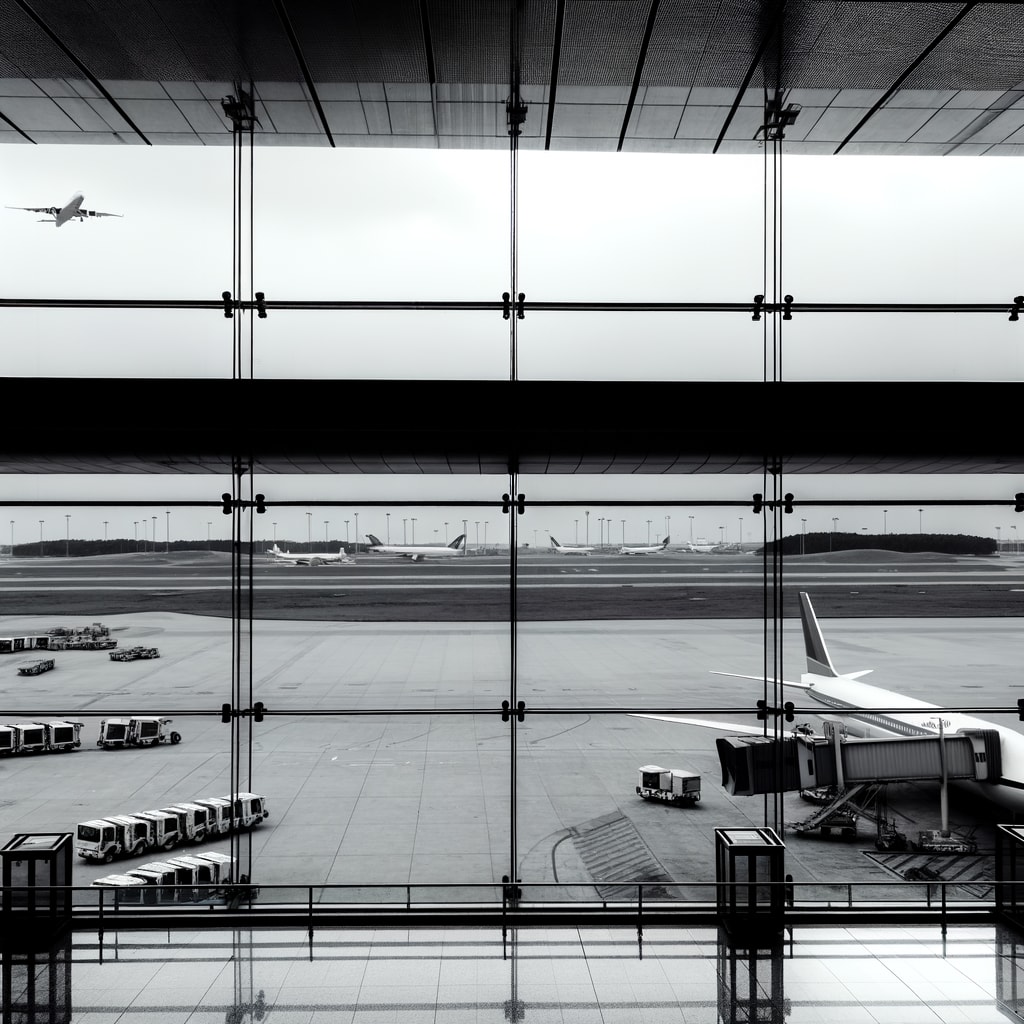
Middle East Conflict Triggers Global Travel Chaos, Strands Thousands
As the military conflict between the US, Israel, and Iran escalates, massive travel disruptions have left hundreds of thousands of passengers stranded across the Middle East, with major Gulf hubs including Dubai, Doha, and Abu Dhabi either closed or operating at significantly reduced capacity. The closures came in response to drone and missile attacks damaging airports, high-profile hotels, and landmarks in Dubai following US and Israeli strikes on Iran.
Context and Immediate Impact
The ongoing conflict, which started with US-Israeli strikes on Iran and subsequent Iranian counterattacks, has resulted in the closure of key transit hubs across the region. The Dubai International Airport, the world's busiest, suffered damage and casualties. The situation has triggered a rush among the wealthy to leave Dubai via alternative routes on private jets, with demand for charter flights skyrocketing, and some people paying up to $232,000 for a flight out.
Thousands are also resorting to traveling to neighboring Oman or Saudi Arabia in the hopes of securing seats on the few flights available. Stranded travelers include Italy’s Defense Minister Guido Crosetto, who was in Dubai on a family holiday.
Widespread Disruptions and Passenger Struggles
The conflict has not only affected the Middle East but has caused significant drops in shares of airline companies worldwide. At least 27 flights from Hong Kong to Middle East destinations were disrupted, leaving passengers stranded at Hong Kong International Airport. Travelers from Nigeria to the Middle East, particularly Dubai and Qatar, are also facing major disruptions due to widespread flight cancellations and delays.
In addition to flight disruptions, cruise passengers in the region have also been left stranded. This situation has led to a scramble for alternative routes, with some travelers resorting to byzantine
routes to escape the war-torn region.
Government Responses and Evacuation Plans
In response to the escalating tensions, various governments have started formulating plans to evacuate their citizens from the region. The UK Foreign Office is drawing up plans to evacuate tens of thousands of British citizens, while the US State Department has urged Americans to leave the region immediately. The Australian government has also warned its citizens to be prepared for serious
disruptions.
Nevertheless, the Australian foreign affairs minister, Penny Wong, stated there are limits to what the government can assist those stranded in the region. Similarly, the Italian Foreign Ministry has established the 'Task Force Gulf' to coordinate the requests for assistance of Italians in the area.
Conclusion
The current conflict in the Middle East has caused the worst travel chaos since the Covid pandemic, with hundreds of thousands of passengers stranded and more than a thousand flights by major Middle Eastern airlines cancelled. As the conflict continues to escalate, the disruptions to global air travel are expected to worsen, leaving governments, airlines, and stranded passengers grappling with an increasingly complex and volatile situation.