
Arson attacks hit West Bank mosques; Israeli military confirms fires while attribution disputes persist
Narrative Snapshot
- Broad agreement: Multiple outlets document fires at mosques north/east of Ramallah, scorched interiors, and anti-Arab or revenge-themed graffiti; Israel’s military acknowledges arson and vandalism but has not named suspects.
- Emphasis diverges: Palestinian officials and residents quoted by Middle East Eye and Al Jazeera attribute the attacks to Israeli settlers and link them to a wider surge in violence; The Times of Israel foregrounds on-the-ground details and the army’s response; The Hindu underscores the military’s confirmation of arson without attribution.
- What is at stake: Whether Israeli authorities can or will curb hardline settler activity; the risk that mosque attacks signal a qualitative escalation; and how alleged Hilltop Youth links are handled domestically and by sanctioning states.
- Inside Israel, signals cut both ways: MEE highlights a “final warning” from former senior officials over settler terror, while a new KKL-JNF chair told The Times of Israel he will not fund projects for right-wing settler youth.
What Happened
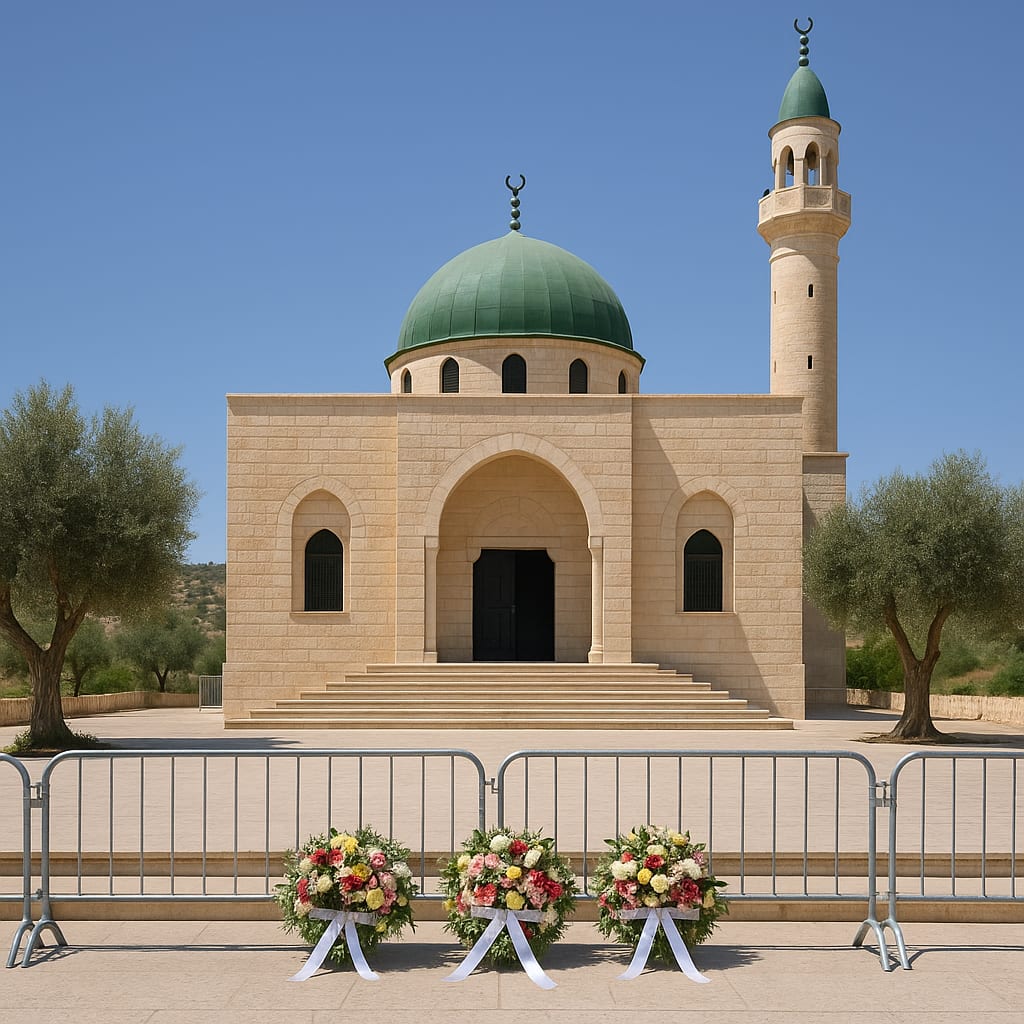
In mid-June, a series of arson incidents targeted mosques in the central West Bank. The Times of Israel reported on June 14 that a West Bank village council head told the PA news agency settlers tried to burn a mosque with worshipers inside; congregants extinguished the entrance fire and no injuries were reported. Middle East Eye said on June 15 that settlers torched vehicles and a mosque east of Ramallah, with residents intervening. By June 17, The Times of Israel and Middle East Eye reported two mosques were set ablaze overnight in villages north of Ramallah, with graffiti including “Revenge” and “Hi from the Hilltop Youth.” AFP journalists saw scorched walls and slogans at one site, according to MEE. The Israel Defense Forces said forces searched for suspects but they fled, and, per The Hindu, confirmed arson and graffiti without identifying perpetrators. Al Jazeera separately reported a mosque fire in the village of Jiljiliya.
Why It Matters
These incidents underscore stress points in West Bank governance and accountability. UN OCHA figures cited by Middle East Eye indicate more than 1,000 settler attacks causing casualties or property damage since the start of the year, suggesting a sustained trend. The reported graffiti invoking “Hilltop Youth” intersects with an actor already under international scrutiny; RT reported that Israel plans stipends for Hilltop Youth members, and noted the group’s prior EU and US sanctions listings in 2024. Domestic signals are mixed: Middle East Eye reported a “final warning” from former senior Israeli officials over settler terror, while The Times of Israel quoted KKL-JNF’s new chair pledging not to fund right-wing settler youth or buy West Bank land. For policymakers, this combines rising incident tempo, allegations of extremist branding at crime scenes, and uneven institutional responses—implicating law enforcement credibility, donor policies, and sanction coordination.
Diverging Narratives
Attribution is the central fault line. Palestinian officials and residents quoted by Middle East Eye and Al Jazeera unequivocally blame settlers for torching mosques and vehicles, placing the incidents within an escalation since the Gaza war. The Times of Israel details the arson, visible slogans, and the army’s pursuit of suspects, while The Hindu highlights that Israel’s military confirmed arson and graffiti but stopped short of naming perpetrators. On the broader frame, Al Jazeera adds personal testimony from a 92-year-old alleging an attempt to “burn me alive,” situating mosque attacks alongside assaults on homes and individuals. The appearance of “Hi from the Hilltop Youth” in graffiti, reported by The Times of Israel, sharpens questions about specific extremist networks; RT’s report of planned stipends for Hilltop Youth intensifies those concerns but remains a media claim rather than an official policy announcement in these sources. Conversely, The Times of Israel’s interview with KKL-JNF’s chair indicates parts of Israel’s institutional landscape distancing themselves from right-wing settler youth. Middle East Eye’s piece on a “final warning” from former senior officials adds an internal-security lens that labels the phenomenon as “terror,” signaling intra-Israeli contention over definitions and remedies.
What Happens Next
- Law enforcement trajectory: The IDF said forces searched for suspects who fled. Analysts should watch for arrest announcements, indictments, or public identification of suspects in the mosque fires. A lack of progress would reinforce The Hindu’s note on confirmed arson without attribution; visible prosecutions would indicate a shift.
- Handling of extremist branding: The reported “Hi from the Hilltop Youth” graffiti (The Times of Israel) and RT’s claim of planned stipends create a test for Israeli authorities. Indicators include cabinet or ministry statements addressing Hilltop Youth funding, and any coordination with EU/US given RT’s note on their 2024 sanctions.
- Domestic policy signals: Middle East Eye’s report of a “final warning” from former senior officials raises the question of whether the government issues new directives constraining settler activity. Track security briefings, rules of engagement, and police-IDF tasking.
- Institutional counterweights: The KKL-JNF chair’s commitment not to fund right-wing settler youth (The Times of Israel) suggests potential realignment of public and quasi-public funding. Monitor budgets, grant criteria, and project announcements in the West Bank.
- Incident tempo: Middle East Eye and Al Jazeera report multiple attacks around Ramallah. Continued mosque or property arsons would corroborate UN OCHA’s rising-incident trend and increase pressure for international responses.