
US Exit from Paris Agreement: Decade of Progress at Risk Amid Rising Global Temperatures
The United States, one of the world's major carbon emitters, has officially pulled out of the Paris Agreement for the second time, raising concerns about funding for climate mitigation and adaptation in Southern countries. This move comes as global temperatures continue to rise, with the impacts of climate change becoming increasingly evident.
Background and Context
The Paris Agreement, a landmark global accord aimed at limiting global warming to well below 2 degrees Celsius above pre-industrial levels, has seen significant progress over the last decade. However, the recent withdrawal of the United States under President Donald Trump's administration presents a significant challenge to the global fight against climate change. The US is the only country to have formally left the accord.
Key Developments
The Trump administration's decision was formalized amidst growing evidence of climate change impacts, such as increased wildfires and floods in South Africa, which experts attribute to global warming. According to the Copernicus Climate Change Service and the World Meteorological Organisation (WMO), global temperatures have already warmed by about 1.4°C above pre-industrial levels.
In addition to the policy shift, the US National Park Service has reportedly removed a sign warning of the threat of climate change at the historic Fort Sumter site in South Carolina, in line with Trump's executive orders to remove improper, divisive, or anti-American ideology
from federal sites.
Implications and Reactions
Climate policy specialists, Carola Kloeck and Kari De Pryck, have expressed concern about the potential devastating consequences of the US withdrawal in terms of funding. They argue that it could significantly impact the funding for mitigation and adaptation to warming in Southern countries, which are already grappling with the effects of climate change.
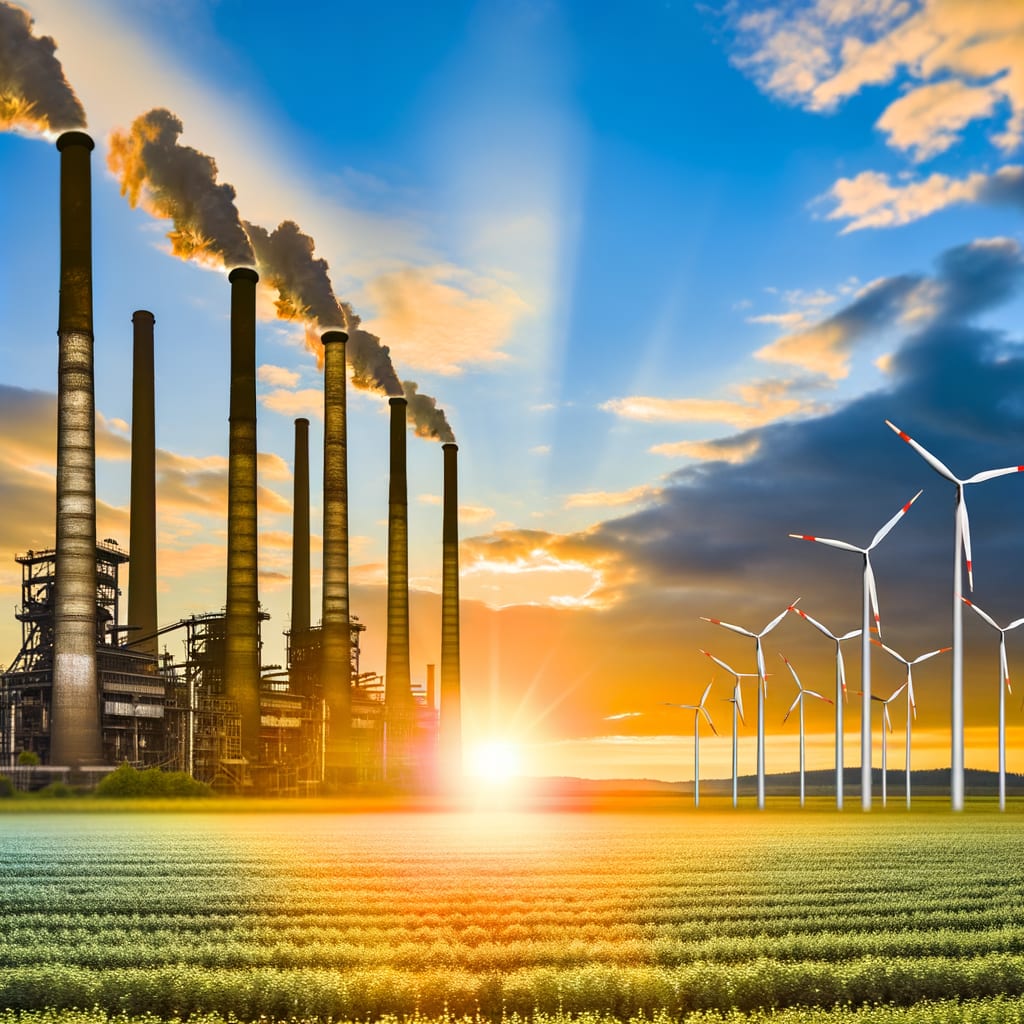
In contrast, Deutsche Welle highlights that despite the US exit, the growth in renewables demonstrates that climate action can still be effective. This suggests that while the US withdrawal is a setback, it is not a death knell for global climate action.
Current Status and Conclusion
As it stands, the impacts of climate change continue to worsen, with countries like South Africa already experiencing extreme weather events. WWF South Africa warns that the world is no longer merely approaching dangerous warming but is already witnessing its impacts.
The US withdrawal from the Paris Agreement and the removal of climate change warnings at federal sites underscore a significant shift in the country's approach to addressing climate change. However, the continued growth of renewable energy and climate action in other parts of the world shows that efforts to combat global warming are far from over.
The future of the Paris Agreement in the US now hangs in the balance, with the country's commitment to addressing climate change under the incoming Biden administration yet to be seen.