
Venezuela Approves Amnesty Law: Hundreds Await Release, Families Denounce Exclusion
The administration in Venezuela, under Acting President Delcy Rodriguez, has passed an amnesty law that promises to release hundreds of political prisoners. However, there is a rising discontent among families as they claim at least 400 detainees have been excluded from the potential beneficiaries of the law.
The Amnesty Law
The amnesty law was unanimously passed by Venezuela's National Assembly. The law was introduced amidst mounting pressure from the United States following the capture of ex-President Nicolás Maduro. Despite the legislation's approval, it has been branded a swindle
by critics, who assert that torture in prisons continues unabated.
As reported by The Hindu and South China Morning Post, the law outlines eligibility and exclusions for those to be granted amnesty. It excludes individuals who have been prosecuted or convicted of promoting military action against the country, potentially including opposition leaders like Nobel Peace Prize winner Maria Corina Machado.
The Release of Detainees and Pending Requests
After the law's enactment, 80 political prisoners have been reportedly released, as noted by Le Monde and Clarin. However, the same sources report that hundreds still remain imprisoned. The President of the Parliament, Jorge Rodríguez, confirmed the number of released individuals and stated that another 1,500 detainees are seeking to be included in the benefit.
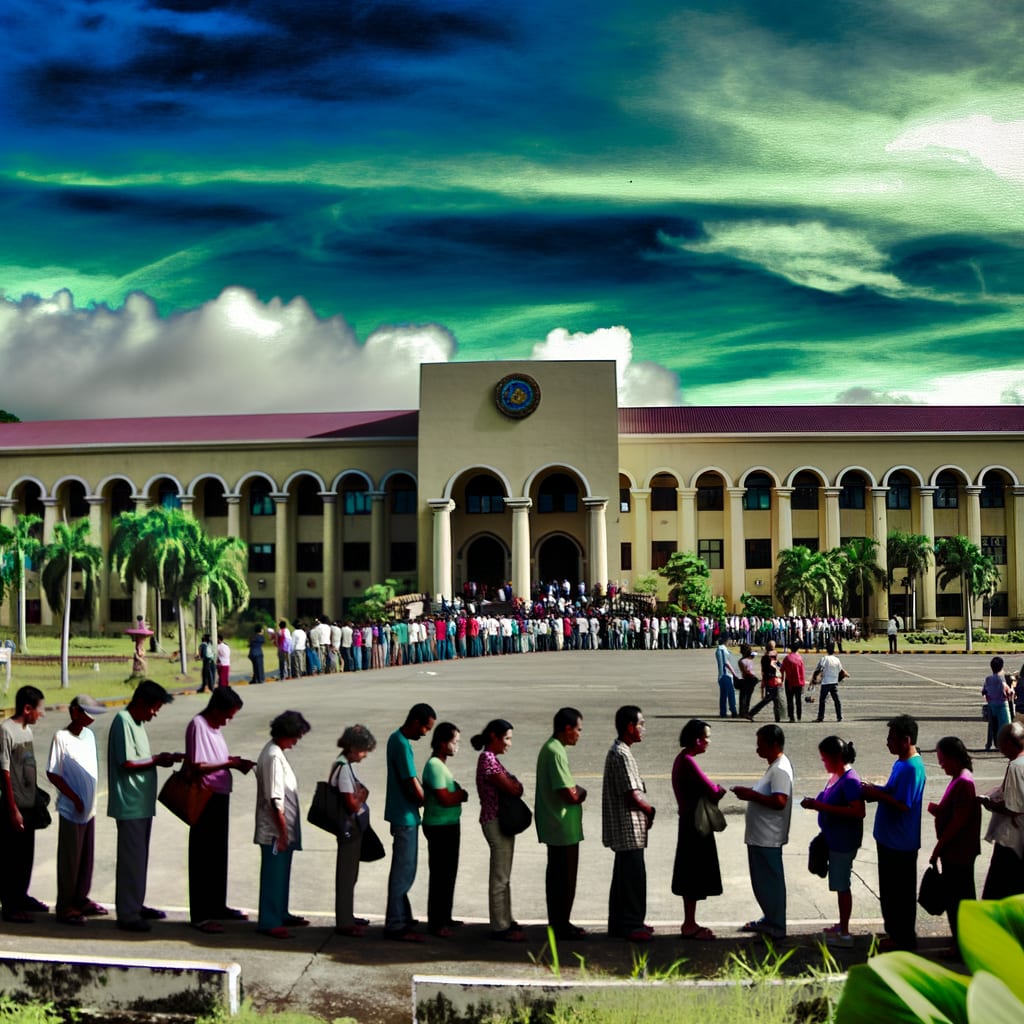
Al Jazeera English and BBC News also reported that more than 1500 political prisoners have applied for amnesty. While families continue to hold vigils in front of detention centers, anticipation is tinged with disappointment due to the delays in processing the amnesty requests.
Reaction to the Amnesty Law
While the amnesty law brings hope for many, a significant number of families are protesting the exclusion of at least 400 detainees, as reported by ANSA. These families argue that their loved ones are being unjustly kept behind bars, despite the new legislation.
Amidst the controversy, Venezuela has rejected the extension of US sanctions and has called for mutually beneficial relations, as reported by TASS. The acting head of the country, Rodriguez, has emphasized Venezuela's need for unity and stability and highlighted the strategic importance of the Program of Democratic Coexistence and Peace as a tool for national reconciliation.
Conclusion
Venezuela stands at a critical juncture, with the newly enacted amnesty law offering hope to many political prisoners and their families. However, the law's exclusions and the slow pace of processing requests have led to criticism and protest. As the international community continues to watch, the future of the political prisoners hangs in the balance.