
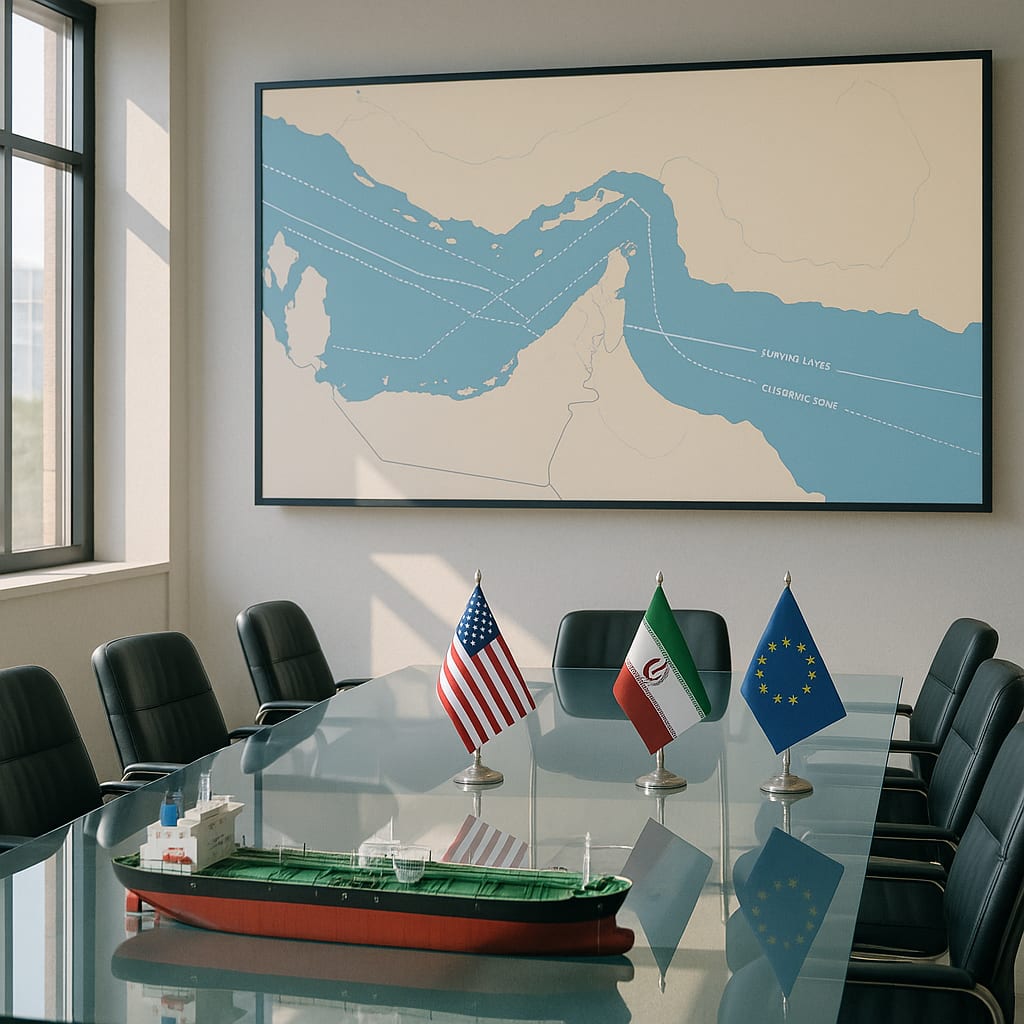
US–Iran truce framework reopens Strait of Hormuz toll-free for 60 days as allies weigh security and Tehran signals post-window charges
Narrative Snapshot
- Broad agreement: Most outlets report a 60‑day, toll‑free reopening tied to an interim US–Iran memorandum and parallel nuclear and security talks; they also converge on practical barriers to rapid normalization—minesweeping capacity gaps, insurer caution, and limited early traffic data (Japan Times; Al Jazeera; Middle East Eye; DW).
- Core divergence: Washington and allies emphasize “free passage” now and ideally beyond the window (TASS; The Hindu), while Iranian officials and state media signal plans to levy a “payment for services” after 60 days and require IRGC Navy coordination (The Guardian; Al Jazeera; Middle East Eye).
- Economic lens: European and Asian coverage foregrounds inflation, supply chains, and energy security with slow normalization expected even if traffic resumes (Le Monde; SCMP; Japan Times). Shipping leaders warn fees would set a dangerous precedent and temper any near‑term restart (New York Times).
- Politics and force posture: G7 leaders back the accord but are cautious on deployments (ANSA; Middle East Eye), the US keeps its buildup during talks (Fox News), and regional files—especially Lebanon—remain unresolved (Middle East Eye).
What Happened
An interim US–Iran memorandum was announced and electronically signed, launching a 60‑day period to negotiate a final agreement and reopen the Strait of Hormuz for toll‑free transit (Middle East Eye; The Hindu; Daily Nation). Leaked texts suggest Iran will reopen the strait immediately and be allowed to sell oil without restrictions during the window (CBC). President Trump claimed the waterway would be “completely open” by Friday, while European partners at the G7 voiced caution about the timeline and required capabilities, notably demining (Japan Times). Early traffic remained subdued—Kpler tracked 8 raw‑materials ships on Monday and 6 on Tuesday—amid warnings that minesweeping could take weeks and insurers preferred to wait (Middle East Eye; Al Jazeera). Germany prepared for possible mine‑clearing support, and EU states moved to bolster Operation Aspides (DW; ANSA). The US maintained its regional military posture during the 60‑day talks (Fox News).
Why It Matters
- Maritime governance and precedent: Iran’s stated intent to charge a post‑window “payment for services” and require IRGC coordination collides with shipper concerns over setting a norm for chokepoint fees and control—flagged as a “dangerous precedent” by Maersk’s CEO (New York Times; Al Jazeera; Middle East Eye).
- Security burden-sharing: US shortfalls in demining and escort capacity place a premium on European and partner contributions (Japan Times). EU efforts to reinforce Aspides and potential German mine‑clearing deployments test NATO–EU–partner coordination outside a formal alliance remit (ANSA; DW).
- Macro and energy shocks: Even with reopening, inflation and supply‑chain pressures will unwind slowly; Le Monde projects euro‑area growth 0.4pp lower in 2026 (to 0.8%) due to lingering disruptions. African import costs could ease while oil exporters face revenue headwinds (Le Monde; DW).
- Sanctions architecture and diplomacy: Reported allowances for Iranian oil sales and possible asset unfreezing sit alongside US assurances of “no cash up front,” underscoring a transactional, compliance‑for‑benefits design (CBC; Middle East Eye). Analyses in The Hindu and Tehran Times frame this as another US turn from coercion to diplomacy under constraint.
Diverging Narratives
- Tolls vs. free passage: US officials say transit will be toll‑free for 60 days and hope that endures (TASS; The Hindu). Iranian negotiators and state media say charges will apply after the window and that ships must coordinate with the IRGC Navy, indicating Tehran’s bid to institutionalize a service‑fee regime and operational oversight (The Guardian; Al Jazeera; Middle East Eye).
- Speed and safety: Washington projects rapid reopening; European officials stress minesweeping gaps and measured deployments, and insurers and operators signal “wait‑and‑see,” with traffic still limited in Kpler data (Japan Times; Middle East Eye; Al Jazeera).
- Economic relief vs. precedent risk: European and African outlets highlight potential relief on prices; shipping and business reporting warn that fees and security ambiguity could blunt recovery and set lasting norms at a critical chokepoint (Le Monde; DW; New York Times; SCMP).
- Benefits to Iran: US messaging says no upfront cash and benefits contingent on behavior (Middle East Eye; Fox News), while reporting points to oil‑sales relief and possible asset unfreezing during the talks—even as the UAE denies moving Iranian funds (CBC; Middle East Eye).
- Regional scope: Implementation questions extend beyond the strait. Lebanon was not briefed on terms or timing, and disagreements over Lebanon and Israel’s roles persist despite G7 political backing of the accord (Middle East Eye).
What Happens Next
- Fee regime after 60 days: Watch formal US–Iran text, Iranian negotiating statements, and maritime notices on any “payment for services.” A declared fee would test shipper reactions and allied acceptance (The Guardian; Al Jazeera).
- Security architecture: Indicators include EU moves to expand Aspides, German Bundestag decisions on mine‑clearing, and whether Japan or South Korea contribute assets—each flagged as undecided or under consideration (ANSA; DW; The Hindu; SCMP).
- Sanctions relief and liquidity: Track practical oil export flows under the window, any confirmed unfreezing mechanisms, and contradictions between US “no cash” assurances and reported asset releases; also note the UAE’s stance on fund routing (CBC; Middle East Eye).
- Force posture and verification: The US plans to maintain its buildup during talks; signals of drawdown would hinge on a final deal and nuclear‑oversight arrangements referenced in live updates (Fox News; Middle East Eye).
- Market normalization: Insurer guidance, charterer policies, and Kpler traffic trends will reveal whether safety assurances overcome risk premiums in the near term (Al Jazeera; Middle East Eye).