
Stellantis Takes a €22bn Hit in Strategic Shift Away from Electric Vehicles
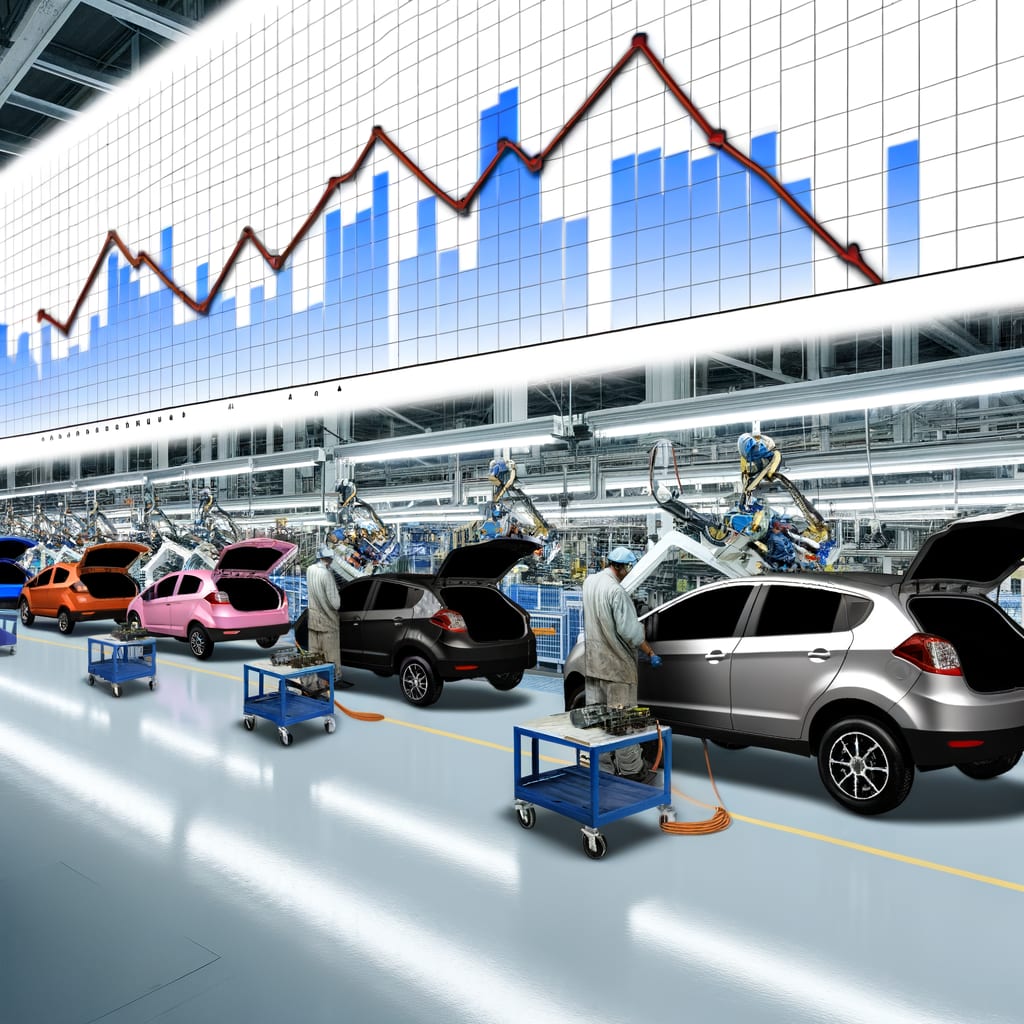
Automobile giant Stellantis has admitted to overestimating the pace of the energy transition to electric vehicles (EVs), resulting in a massive correction of its business strategy. The company, which owns popular brands including Peugeot, Fiat, Jeep and Citroën, will take a €22bn (£19.1bn) charge and sell its stake in the battery joint venture with South Korean LG Energy Solution, formerly NextStar Energy. This move is almost equivalent to the cumulative net profits of 2023 and 2024, amounting to €18.6bn.
A Costly Reset
Antonio Filosa, the CEO of Stellantis, has announced a costly 'reset' of the strategy set in place by his predecessor, Carlos Tavares. The company is changing its strategy to gasoline and hybrid vehicles in an effort to revive weak sales. This shift has resulted in Stellantis recording a net loss of USD 26.5 billion.
The company has also shed 22 billion euros of transition-related burdens from the 2025 budget. This sudden move caused a 25% drop in the value of the company, according to La Repubblica. However, Filosa reassures that the group remains solid and orders continue to grow.
Impact on Joint Ventures and Market Shares
The strategic shift has led to Stellantis exiting the joint venture with LG on the Canadian gigafactory, making LG Energy Solution the full owner of NextStar Energy. The joint venture was established in 2022 to build Canada’s first large-scale battery manufacturing facility in Windsor, Ont.
The company's shares witnessed a significant drop following the announcement of this massive financial hit. Despite this, Filosa insisted that this decision was a 'necessary reset'.
A Global Perspective
The transition to electric vehicles has been a major challenge for the global auto industry. While Stellantis has struggled with the shift, other automakers like Toyota have managed to navigate through the industry turmoil successfully, with the latter even announcing a new CEO despite its strength.
In Norway, the frontrunner in the uptake of electric vehicles, data shows that just seven petrol cars were sold in January, indicating a shift towards more sustainable vehicles. On the other hand, China's electric carmakers are rapidly expanding across South America as Europe hesitates with trade liberalization.
Conclusion
Stellantis's shift away from electric vehicles and the subsequent financial implications highlight the challenges that automakers are facing in the transition to more sustainable forms of transportation. The pace of this transition seems to vary globally, with some regions embracing electric vehicles faster than others. This strategic pivot by Stellantis marks a significant moment in the company's history and underscores the complexities of predicting and adapting to changes in the global automotive market.