
Over 1,200 Dead in Catastrophic Asian Floods, Death Toll Expected to Rise
In a devastating series of monsoon rains and cyclones that triggered flash floods and landslides across parts of Thailand, Malaysia, Indonesia, and Sri Lanka, the death toll has surpassed 1,200, with hundreds still missing and millions displaced. The event is considered one of the worst weather-related disasters in years, with fears that the death toll could continue to rise.
Torrential Downpours and Cyclones
The extreme weather phenomena were associated with a rare cluster of tropical cyclones affecting many parts of southern Asia. Cyclone Senyar hit Indonesia and Thailand, while Cyclone Ditwah resulted in extreme rainfall and severe flooding in Sri Lanka. The rainfall in parts of North Sumatra, Indonesia, recorded a staggering 800mm over four days.
High Casualty Figures and Rescue Efforts
Indonesia has been hit particularly hard with a confirmed death toll of 659 while Sri Lanka reported 390 deaths. Additionally, Thailand suffered 181 casualties. In Indonesia and Sri Lanka, 508 and 366 people respectively remain missing, intensifying rescue efforts.
Military aid has been deployed in Indonesia and Sri Lanka to assist victims of the flood. Despite the efforts, some areas remain unreachable, deepening fears that the death toll will rise further. Emergency teams have been coordinating rescue efforts and military aid as the death toll from the floods approaches 1,000,
reported Deutsche Welle.
Massive Displacement and Property Damage
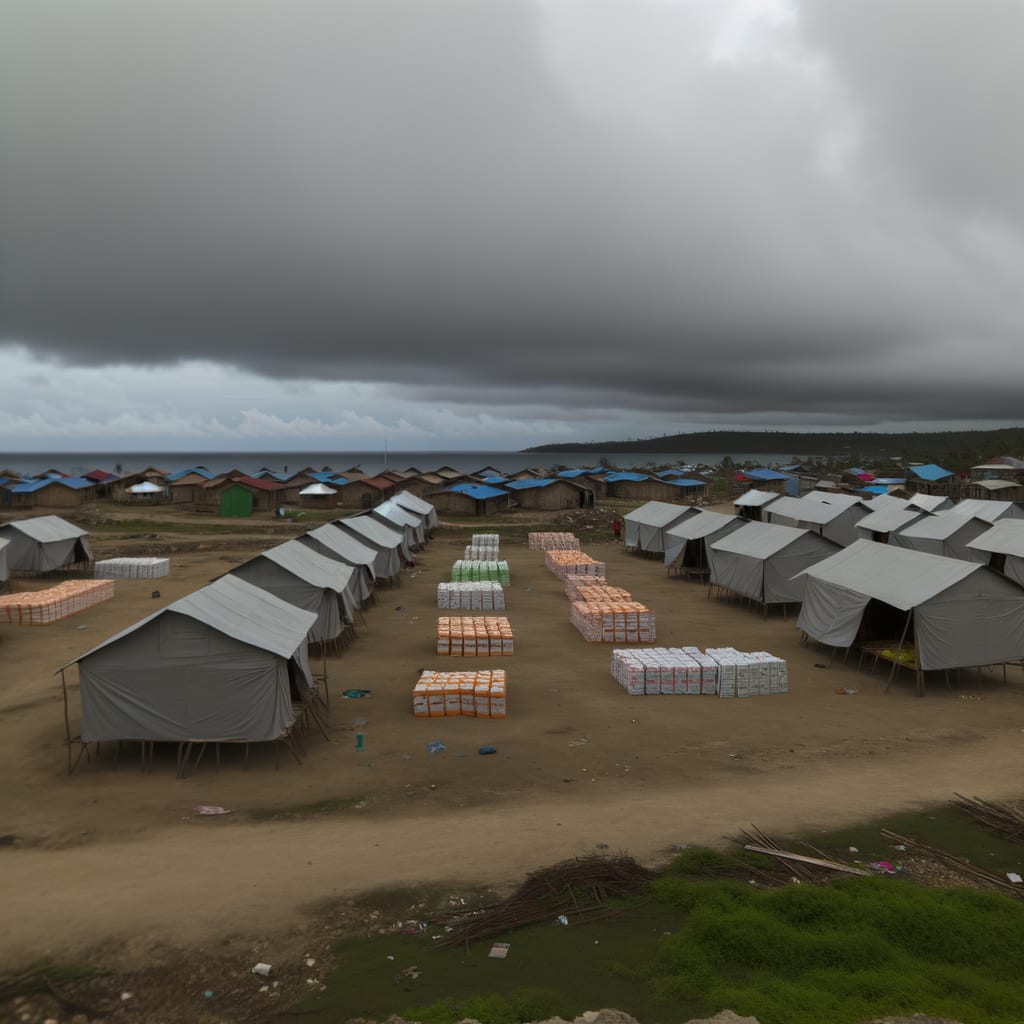
These catastrophic events have not only resulted in high casualty figures but also massive displacement. In Sri Lanka alone, one million people have been displaced, with nearly 44,000 people in temporary shelters. More than 108,000 people have been accommodated in temporary shelters, while over 196,000 people have been displaced in the country overall.
The floods have caused extensive property damage, with an estimated 20,000 homes destroyed in Sri Lanka. In North Sumatra, Indonesia, illegal logging is being investigated as a potential exacerbating factor in the floods.
The Call for International Aid
In the aftermath of the disaster, Sri Lanka has declared a state of emergency and President Anura Kumara Dissanayake has issued a call for international aid. The Sri Lankan government has urged the international community to provide aid to support those affected by this crisis.
India has responded to the call, assisting Sri Lanka in the rescue efforts as the country grapples with the impact of these extreme weather conditions.
Conclusion
The situation remains critical across these South and Southeast Asian countries. The floods have left a trail of devastation, with the death toll expected to rise due to the large number of missing persons and areas still being unreachable for rescue teams. International aid is crucial in managing the crisis and helping these nations recover from this calamity.