
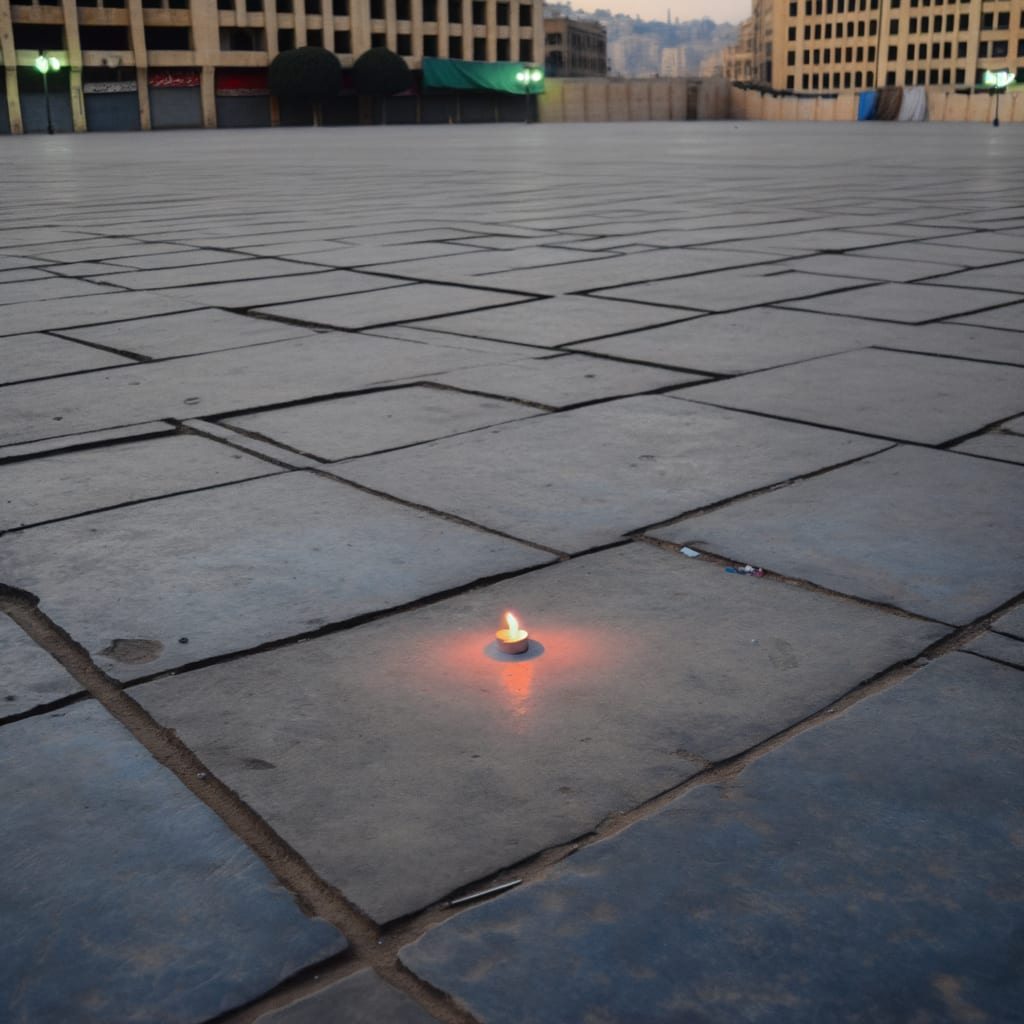
Mass Iran Protests Escalate amid Rising Deaths, Arrests, and Government Crackdown
Tensions continue to soar in Iran as mass protests against the country's regime intensify, leading to escalating deaths, arrests, and a heavy-handed government crackdown. The demonstrations, sparked by economic hardships and soaring cost of living, have spread nationwide, with reports of violence in Tehran, Iran's capital, and several other cities.
Historical and Economic Background
Protests have been a recurring theme in Iran's history since the 1979 Islamic revolution, with several anti-government movements emerging over the years. The current unrest, however, has its roots in the country's economic turmoil. The bazaars, considered the beating heart of Iran's economic and political life, have become epicenters of the protest. According to sociologist Azadeh Kian, the involvement of economic classes traditionally close to the clerical power, notably the merchants of the bazaar, marks an unprecedented development which has deepened divisions within the country's leadership.
Rising Casualties and Crackdown
As the protests have spread, they have been met with increasing violence from security forces. Rights groups have accused Iranian security forces of killing protesters and storming a hospital in the province of Ilam. Italian daily Corriere della Sera reported that police launched tear gas against protesters at Tehran's Grand Bazaar. Fox News cited the Human Rights Activists News Agency (HRANA), reporting at least 29 deaths and more than 1,200 arrests. The NGO Iran Human Rights (IHR), based in Norway, put the death toll higher, at 45, including eight minors.
Fox News further reported that the Islamic Republic has reportedly turned to foreign militias, such as Hezbollah and Iraqi militias, for support in suppressing domestic dissent. This marks a significant escalation in the regime's response, signalling a willingness to rely on allied foreign militias with combat experience.
International Responses and Protests' Appeal to Trump
The escalating violence has drawn international condemnation, with Germany's foreign minister condemning the violence against protesters. The protests have also found a voice in the US, with Iranian protesters reportedly appealing directly to President Donald Trump for help. A woman's cry for help amid the protests was shared on social media, showing her holding up a sign saying Trump, a symbol of peace. Don't let them kill us.
President Trump threatened Iran with striking very hard
should the regime escalate its crackdown on protesters. However, it's unclear how Iranians feel about these warnings.
Divided Narratives and the Current Status
The unfolding events in Iran are being met with contrasting narratives. While Western media outlets highlight the plight of the protesters and the regime's violent crackdown, Iranian authorities argue that they are engaging in dialogue with business owners and merchants protesting currency volatility. Tehran Times, an Iranian English-language daily, accused Western media of exploiting the situation in conjunction with their respective governments and Israel.
Despite the government's crackdown, the protests continue to spread, with more than 100 cities reportedly involved. The regime's response has been firm, with reports of dozens of executions over two weeks. The country's religious leaders, according to Japan Times, are facing a legitimacy crisis as they struggle to reconcile their priorities with the expectations of a young society.
As of now, the protests continue, marking the largest uprising in recent years, with no easy way out in sight for Iran's beleaguered leaders.