
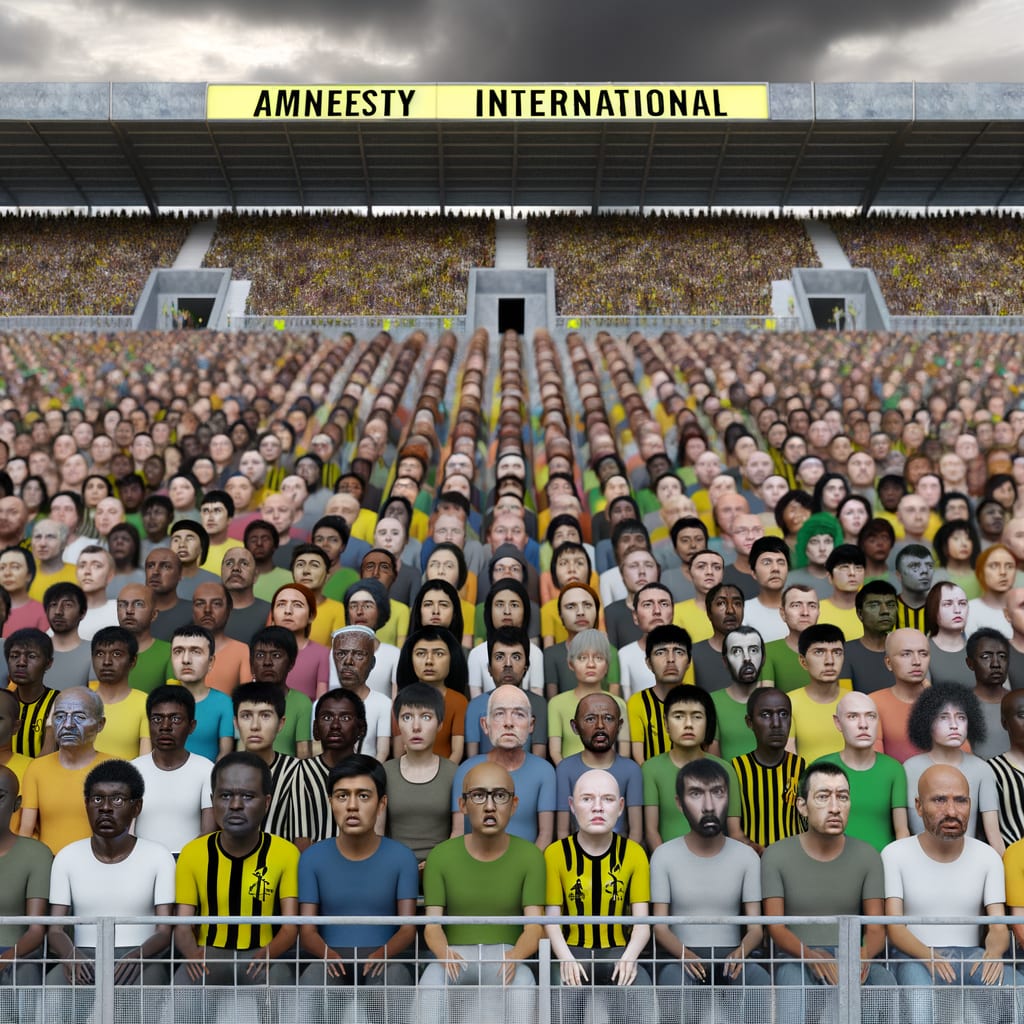
Amnesty International Flags Human Rights Risks in 2026 World Cup
Despite the excitement and anticipation surrounding the upcoming 2026 FIFA World Cup in North America, Amnesty International has issued warnings about the serious human rights risks fans may face during the tournament, particularly in the United States.
The Context
With less than 74 days to the start of the World Cup, fans worldwide are gearing up to follow the matches closely. Reports from Folha de S.Paulo indicate that Brazilian fans are undeterred by exorbitant prices and are saving money to witness the matches in person, hoping to see the end of a 24-year drought. Similarly, Clarin reports that an English soccer fan, Andy Milne, has even put his house up for sale to finance his trip to the World Cup.
Warnings from Amnesty International
Despite the excitement, Amnesty International has raised serious concerns about the risks fans may encounter. The human rights group has described the situation in the United States, which is set to host three-quarters of the 104 matches, as a human rights emergency
. The organization's report, “Humanity Must Win,” calls on FIFA and the host countries — the US, Canada, and Mexico — to take urgent action to protect fans, players, and other communities.
Amnesty International's warning is echoed in reports from Al Jazeera English and Deutsche Welle stating that millions of attendees, both from local communities and abroad, face serious risks. The human rights group has gone as far as to warn that the World Cup risks becoming a stage for repression
.
FIFA's Response
In light of these warnings, FIFA has promised a tournament where everyone “feels safe, included and free to exercise their rights”. Amnesty International, however, has highlighted a stark contrast between this pledge and the actual conditions in the host nations.
Implications and Reactions
The concerns raised by Amnesty International add a new dimension to the anticipation surrounding the World Cup. Fans who have been saving and making plans to attend the tournament may need to consider the potential risks highlighted by the human rights group.
Despite the warnings, there are no indications that fans' enthusiasm for the tournament has waned. Their willingness to spend exorbitant amounts to witness the matches in person attests to this.
Conclusion
With the World Cup drawing closer, the situation remains fluid. The world waits to see how FIFA and the host countries respond to the human rights concerns raised by Amnesty International. Whether these warnings will dampen the enthusiasm of the fans eager to witness the matches in person, remains to be seen.