
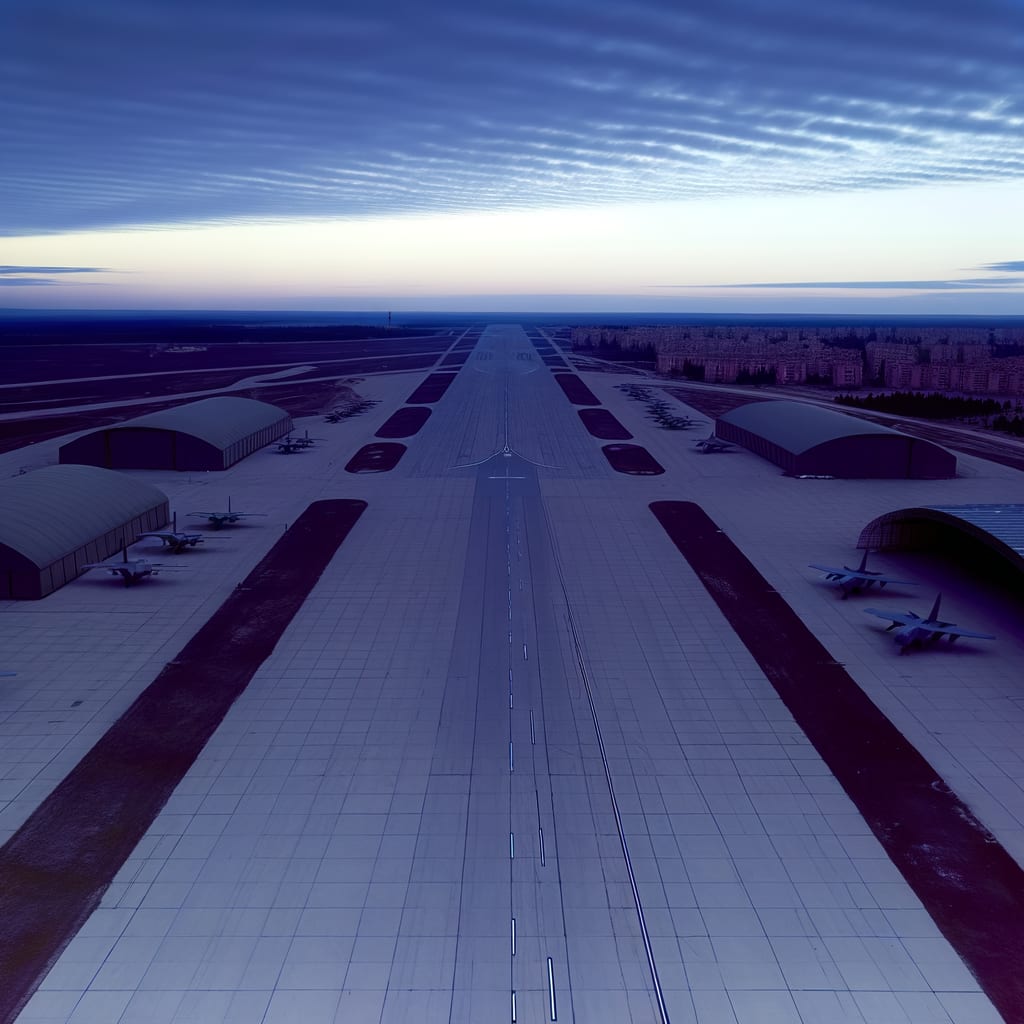
Iranian Attacks on Saudi Air Base Leave Numerous U.S. Troops Wounded, Damage Vital U.S. Aircraft
In a recent spate of Iranian retaliatory attacks on Saudi Arabia, at least 29 U.S. troops have been injured, with 15 personnel seriously wounded during the latest strike on the Prince Sultan Air Base12. The attack also resulted in substantial damage to multiple refuelling aircraft and a critical E-3 Sentry Airborne Warning and Control System (AWACS) surveillance plane2.
A Background on the Escalating Violence
The attacks come amid an escalating conflict between Iran and the U.S., following a joint military operation initiated by the U.S. and Israel against Iran on February 281. Iran has since targeted Gulf nations, accusing them of serving as launchpads for U.S. strikes1.
The Extent and Impact of the Attacks
The latest strike involved missiles and drones hitting the Prince Sultan Air Base. In addition to the wounded troops, the attack damaged several aircraft, including the E-3 Sentry AWACS surveillance plane, a critical asset for battlefield surveillance capable of tracking hundreds of targets across a wide area2. The plane's destruction, valued at approximately $1.4 billion, underscores the U.S.' vulnerabilities in the current conflict3.
Pictures of the wreckage reveal a 100% destruction of the E-3 Sentry AWACS, according to the Islamic Revolutionary Guard Corps (IRGC)4. This has yet to be publicly commented on by the U.S. Central Command5.
Implications and Reactions
These attacks highlight the vulnerabilities of U.S. military forces stationed in the region. The U.S. has seen more than 300 military service members wounded since the war against Iran started on February 286. The E-3 Sentry's destruction explicitly demonstrates the vulnerabilities of the U.S. in this ongoing conflict7.
Ukrainian President Volodymyr Zelensky has claimed that Russia has been surveilling U.S. and allied military bases in the Middle East and Gulf regions, potentially aiding Iran8. According to Zelensky, satellite imagery revealed that Russia had taken photographs of the Prince Sultan Air Base in Saudi Arabia just a day before the Iranian attack9.
Current Situation
While the situation remains tense, the U.S. continues to suffer injuries and damages to its military assets. The Prince Sultan Air Base, which has repeatedly been the target of Iranian strikes, remains a focal point of the escalating conflict2. The international community watches as the war continues to unfold, with the destruction of the E-3 Sentry AWACS marking a significant point in the ongoing conflict.