
Iran's Deadly Crackdown Appears to Quell Protests Amid International Criticism
In the wake of a wave of anti-government protests, Iran has entered an uneasy calm, with reports suggesting that the government's deadly response has effectively quelled the unrest. The protests, which began on December 28 over economic issues, quickly morphed into direct challenges to the country's theocracy, resulting in thousands of arrests and reportedly several thousand deaths.
Background
The protests, which were called for by exiled Prince Reza Pahlavi on January 8, saw thousands of Iranians take to the streets in cities across the country. The government's response was swift and brutal, with state media reporting numerous arrests and human rights groups suggesting thousands have been killed. Internet access was cut off across much of the country, further isolating protesters.
Crackdown and Arrests
The Iranian government's response to the protests was characterized by violence and repression. The U.S.-based Institute for the Study of War stated that Tehran's repression has likely suppressed the protest movement for now.
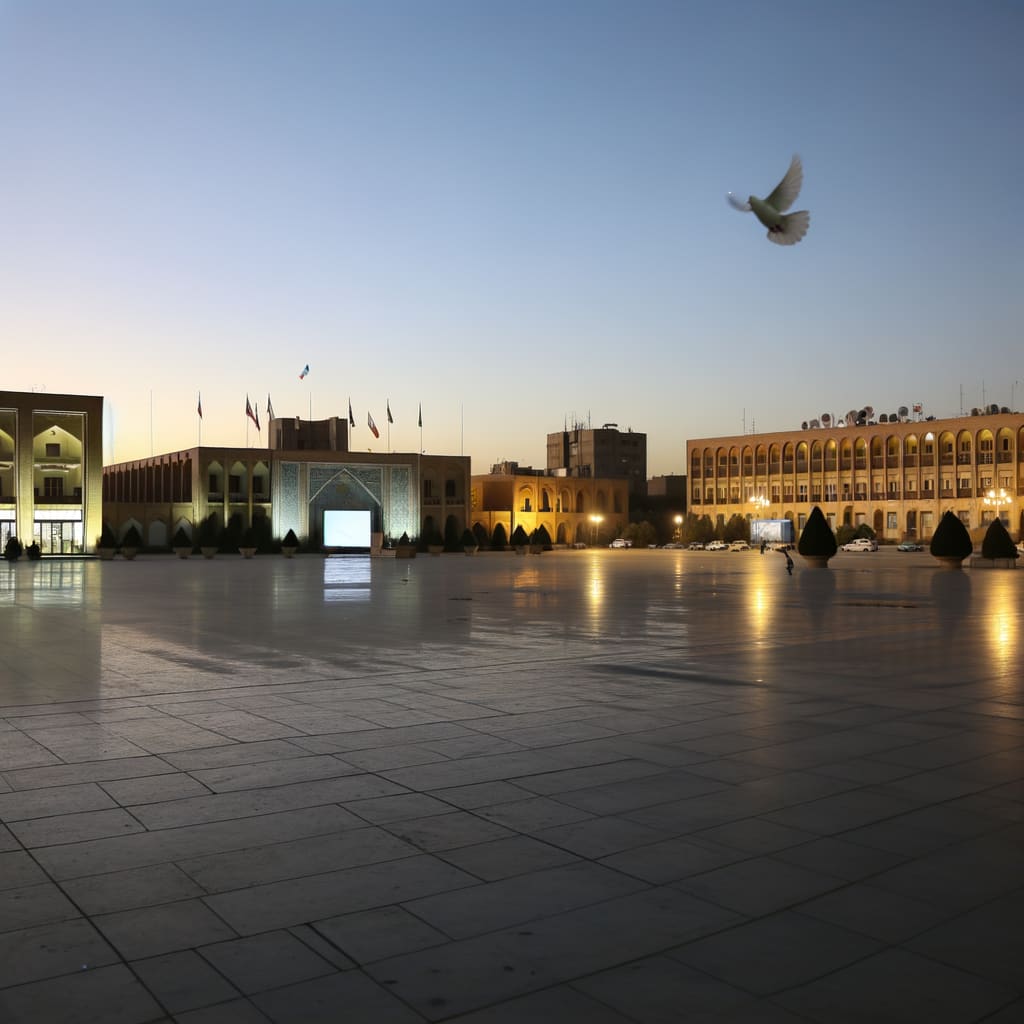
Residents in Tehran confirmed a heavy troop presence in the capital, describing a massive disappointment and disillusionment.
Iran’s Foreign Minister, Abbas Araghchi, declared that anyone who took part in protests and was arrested after January 8 is a criminal.
It's estimated that 3,000 people were arrested as a result of the protests, with Iran's judiciary chief signaling quick trials and potential executions for detained protesters. This move sparked international criticism, with U.S. President Donald Trump warning that the U.S. would intervene if Iran continued its crackdown.
International Response and Reactions
The response to the protests and the subsequent crackdown has been mixed globally. While mass gatherings have been held in cities like London, Paris, and Istanbul in support of the Iranian protesters, the Brazilian left has been divided between silence and criticism of the Iranian regime, coupled with attacks on U.S. foreign policy.
President Trump credited the cancellation of planned executions in Iran for his decision to hold off on military strikes, stating, I greatly respect the fact that all scheduled hangings, which were to take place yesterday, have been cancelled by the leadership of Iran.
However, Iran’s Supreme Leader Ayatollah Ali Khamenei lashed out at President Trump, labeling him a criminal
and accusing the U.S. of orchestrating the unrest in Iran. This sentiment was echoed by a hard-line Iranian cleric who called for the death penalty for demonstrators and threatened Trump.
Current Status
Despite the tense calm, Iran remains a hot spot of potential conflict. Iran has stated that it is ready for war but also for dialogue in response to U.S. threats. Meanwhile, there is no information about any Ukrainian citizens being killed, injured, or detained during the protests in Iran, according to the Ukrainian Ministry of Foreign Affairs.
With the international community closely watching Iran's response to the protests, the country's future remains uncertain. The severity of the crackdown and the potential for further unrest continue to stoke concerns of instability in the region.