
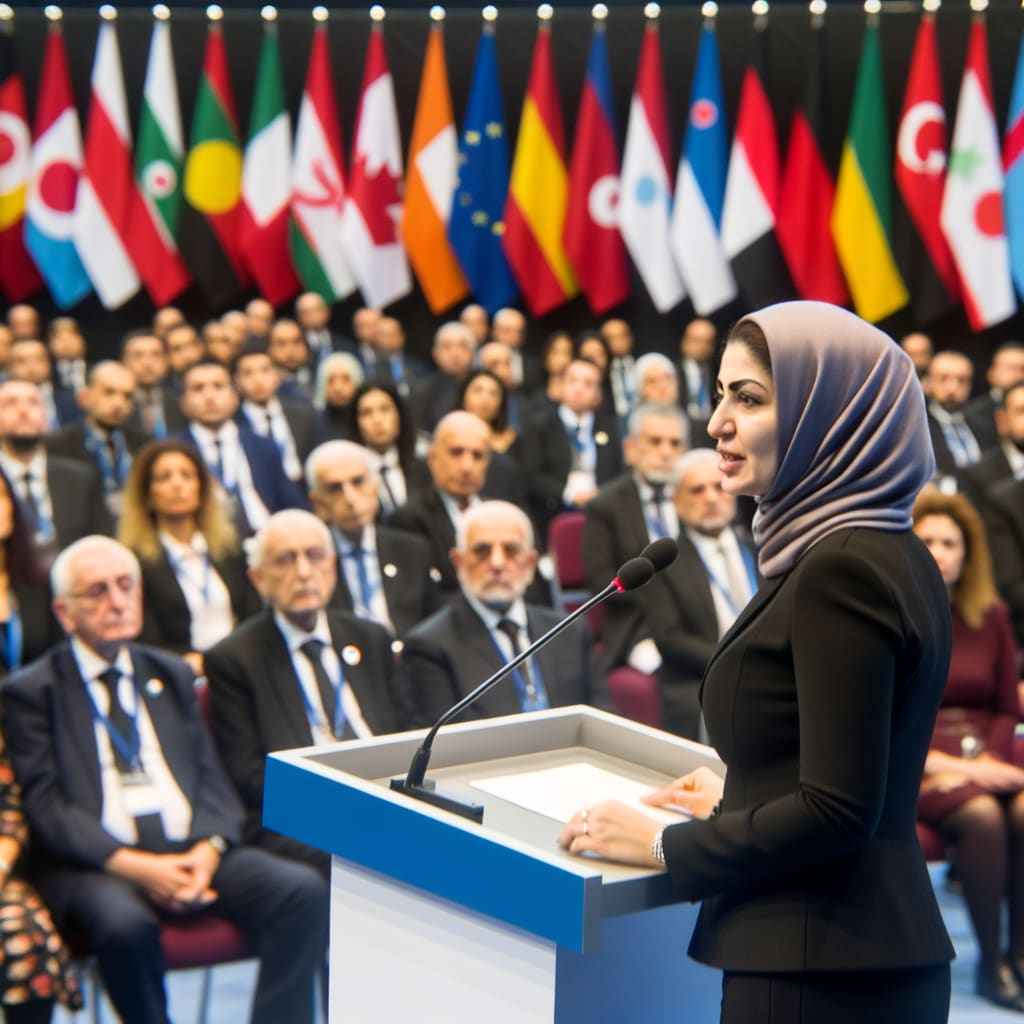
US Secretary of State Marco Rubio Calls for Renewed Alliance with Europe at Munich Security Conference
In a much-anticipated speech at the annual Munich Security Conference, US Secretary of State Marco Rubio urged Europe to embrace the US agenda, stressing that the two continents belong together
. The speech was received with a standing ovation, however, it also came with conditions and criticisms, presenting a future vision under the terms of President Donald Trump.
A Change in Tone from Previous Administration
Marco Rubio's appearance at the Munich Security Conference marked a significant departure from the confrontational stance taken by Vice President JD Vance at the same forum a year prior. Rubio's tone was more conciliatory, though tensions between the US and Europe remain.
In a bid to mend the transatlantic ties, Rubio reassured European leaders that the Trump administration is committed to the alliance. He referred to the US as a child of Europe
and urged the continent to back a new world order. In a time of headlines heralding the end of the Transatlantic era, let it be known and clear to all that this is neither our goal nor our wish,
Rubio stated.
Criticisms and Conditions of Partnership
Despite the overall positive tone, Rubio's speech also included criticisms of Europe's approach to migration and a call for the continent to be ready to defend itself. He lamented that some allies were too scared
to defend themselves and accused them of falling into a climate cult
.
The US Secretary of State also presented a future alliance under the terms of Trump, involving a strong Europe that is proud of its culture and heritage and prepared to defend a shared civilization. He added that the US does not wish to end its historic alliance with Europe, albeit it wants a renewed partnership on its terms.
Reactions and Implications
European leaders cautiously welcomed Rubio's softer tone; however, they remained aware of the Trumpian narrative
that still underpins the US approach to the transatlantic alliance.
Meanwhile, Congressperson Alexandria Ocasio-Cortez accused Donald Trump and Rubio of trying to introduce an “age of authoritarianism” and tearing apart the transatlantic alliance. Speaking at a panel on populism, she outlined an alternative vision for a leftwing US foreign policy.
Rubio's Absence at Ukraine Meeting
Adding further complexity to the situation, Rubio abruptly skipped a Berlin Format Ukraine meeting on the sidelines of the conference. The last-minute cancellation was officially blamed on scheduling conflicts
, however, unnamed European officials claimed the meeting lacked substance
without Rubio's attendance. It remains unclear how this incident will impact the broader transatlantic tensions.
In summary, the Munich Security Conference served as a platform for the US to express its desire for a renewed partnership with Europe but on its terms. While the softer tone was appreciated, the conditions and the continued commitment to a Trumpian narrative present potential challenges for the future of the transatlantic alliance.