
US Denies Iranian Missile Strike on Warship in Strait of Hormuz
The United States has denied reports that a US vessel was struck by Iranian missiles near the Strait of Hormuz, contradicting Iranian state media claims of a hit on the US warship. This comes amid growing tensions in the region and conflicting narratives surrounding the incident.
Background and Context
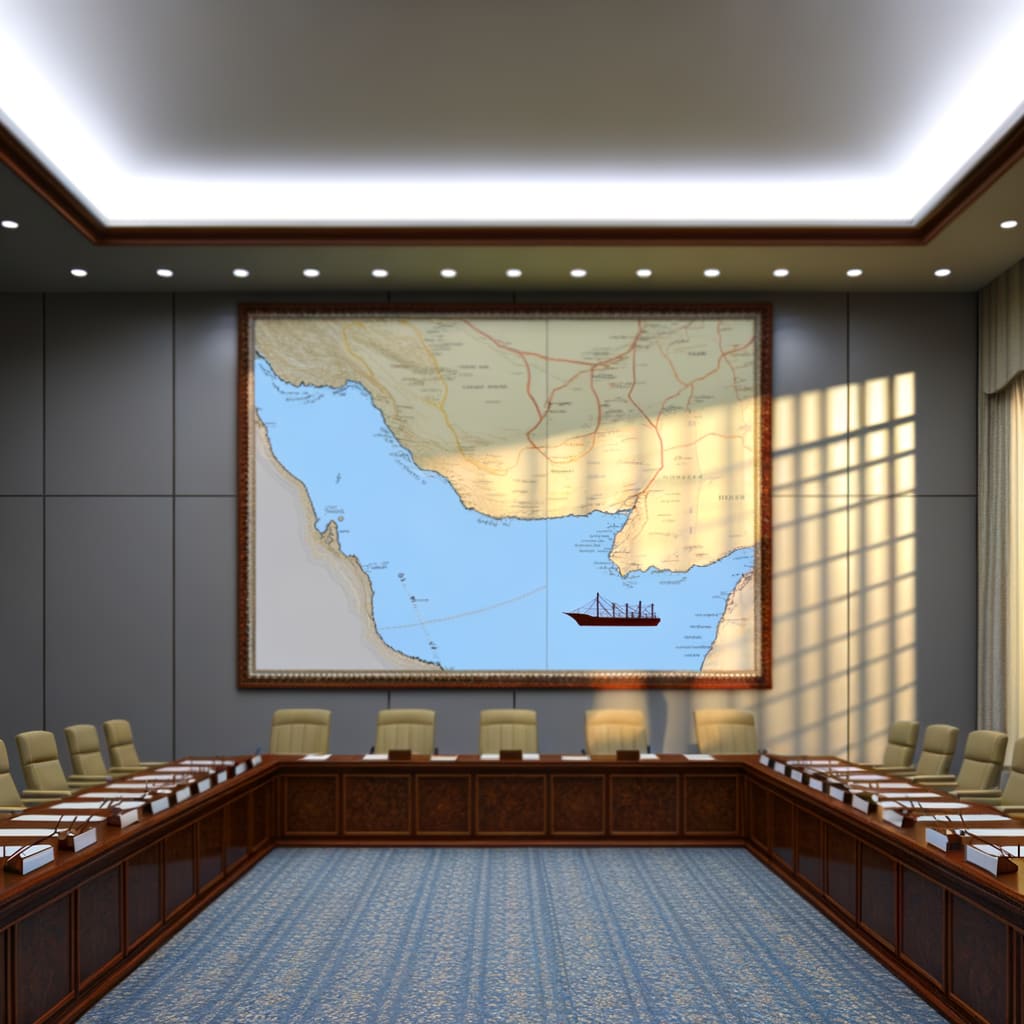
The Strait of Hormuz, a critical waterway connecting the Persian Gulf with the Arabian Sea, has been a focal point of escalating tensions between the US and Iran. The Strait is a key route for global oil transport, and any disruption can significantly impact global oil prices.
The recent tensions stem from “Project Freedom,” a US-led operation aimed at securing shipping routes through the Strait of Hormuz, following a blockade on Iranian ports imposed since April 13. According to the US Central Command, the blockade has directed 45 commercial vessels to turn around or return to port, causing Iran to retaliate.
Contrasting Reports of the Incident
Iran’s Fars news agency reported that a US warship ignored warnings from Iran and was hit by two missiles near Jask, a coastal town about 140 km from the Strait's narrowest point. The vessel was allegedly forced to retreat. However, a senior US official, as well as the US Central Command, dismissed these reports, stating that no US warships were struck.
A senior Iranian official later told Reuters that Iran had fired a “warning shot” at the US Navy vessel to prevent it from entering the Strait, but no damage was reported. This assertion was also denied by Iran’s Revolutionary Guard, which called the US claims “baseless and complete lies”.
Reactions and Implications
Amid these events, US forces claimed to have destroyed six Iranian small boats and intercepted cruise missiles and drones during the operation, a claim that was swiftly denied by Iranian officials. The head of US Central Command, Admiral Brad Cooper, warned Iranian forces to stay clear of US military assets.
The incident, whether verified or not, has escalated tensions in the region, with Iran urging foreign vessels to refrain from entering the Strait without Tehran's permission. The impacts of these tensions extend beyond the region, as nations like India are forced to confront the strategic implications of the ongoing conflict.
Current Status
As of now, the situation remains tense, with both US and Iran continuing to dispute the details of the incident. Despite the US blockade, Iran’s Oil Minister Mohsen Paknejad said it has not affected the country's fuel supply or distribution. Meanwhile, the Washington Post reported that Iranian air strikes have damaged or destroyed at least 228 US structures or equipment across the region since the start of the war in late February.
The situation in the Strait of Hormuz remains volatile, with the potential for further escalation if diplomatic solutions are not reached soon.