
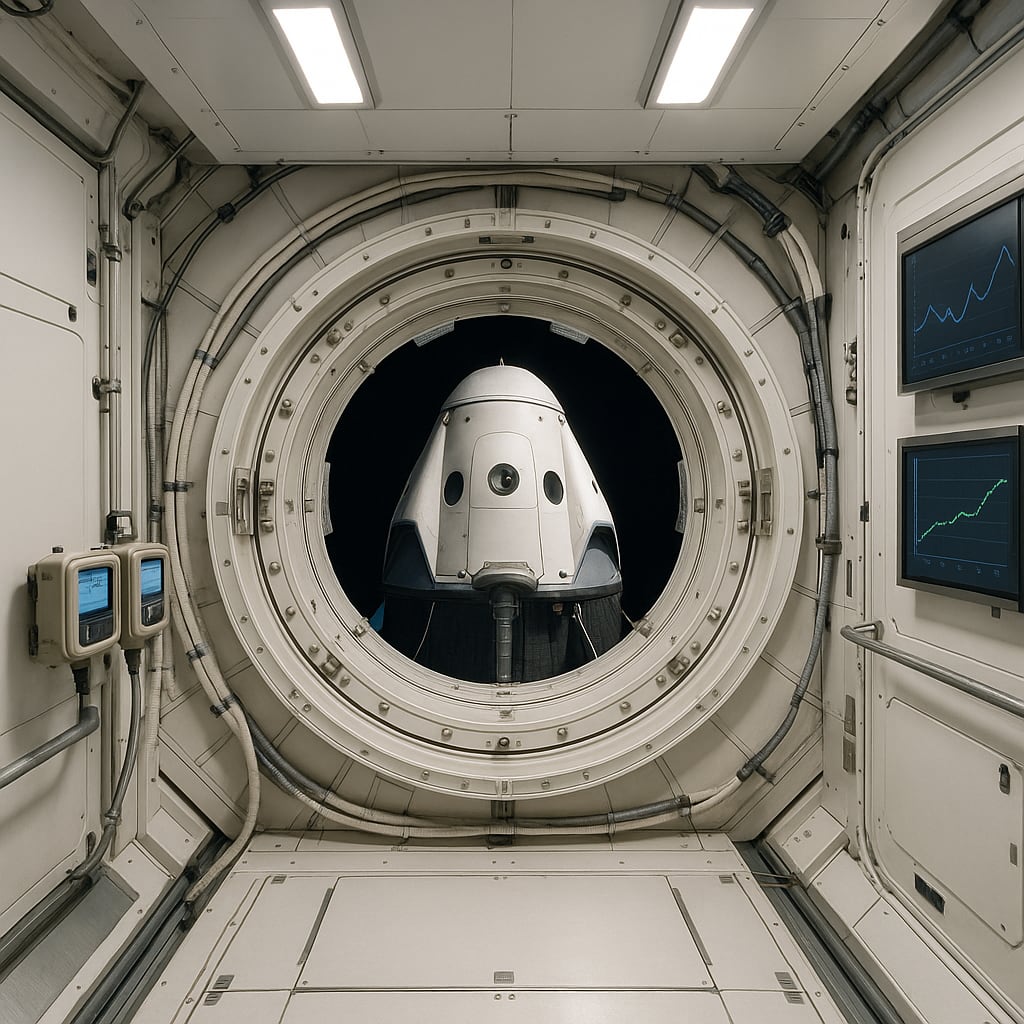
ISS crew shelters in spacecraft as Russian segment air leak prompts brief evacuation readiness
Narrative Snapshot
- Most outlets agree on the core steps: NASA directed a subset of the crew to use their docked spacecraft as safe havens while Russian cosmonauts worked the problem; multiple reports describe the leak as located in the Russian segment (CBC; The Guardian; La Repubblica; TASS; BBC).
- Severity is framed differently: several Western reports call the leak “worsening” and stress “evacuation orders” (The Guardian; ANSA; SCMP; CBC), while Russian outlets emphasize there was “no danger” and that the move was preventive, with quick return to normal operations (TASS; RT).
- Headcounts and specifics vary: four astronauts in Crew Dragon (Al Jazeera; The Hindu) versus five sheltering (BBC; Folha de S.Paulo; SCMP). Module details also differ, from Zvezda (TASS) to a “tunnel area” and a “crack” (BBC; SCMP).
- European coverage adds a personal angle by naming ESA astronaut Sophie Adenot among those who moved into spacecraft during the operation (Le Monde), while Italian wire copy stresses the procedure’s routine nature (ANSA).
What Happened
On 5 June 2026, NASA instructed part of the International Space Station crew to shelter in their spacecraft and prepare for potential evacuation while Roscosmos attempted to repair an air leak in the Russian segment (CBC; La Repubblica). Reports differ on the number sheltered—four in SpaceX’s Crew Dragon (Al Jazeera; The Hindu) versus five astronauts overall (BBC; Folha de S.Paulo; SCMP)—but agree the step was precautionary. The affected area was identified as the Russian Zvezda module or an associated tunnel/hatch region (TASS; BBC; SCMP). NASA spokesperson Bethany Stevens underscored continued coordination with Russian counterparts (TASS). Russian sources later reported the astronauts returned to normal station operations after a brief period—around two hours cited by SCMP—with no danger to the crew (TASS; RT; SCMP). European reporting noted ESA’s Sophie Adenot among those who temporarily relocated (Le Monde).
Why It Matters
The episode tests long-practiced safety protocols designed to protect a multinational crew and preserve station integrity when pressure anomalies arise. Multiple outlets describe the procedure—moving into docked spacecraft and donning suits—as a standard, precautionary response that enables fast departure if conditions worsen (ANSA; The Hindu; Al Jazeera). It also underscores the operational interdependence of NASA and Roscosmos: NASA directed the safe-haven posture while Russian specialists led the repair effort, and both sides emphasized ongoing coordination (TASS; CBC; The Guardian). Practical stakes include safeguarding life support, maintaining the ISS’s working environment, and minimizing disruptions to planned activities. Public messaging matters, too: descriptions ranging from “worsening leak” to “no danger” shape how audiences interpret risk and the performance of joint space operations (The Guardian; ANSA; TASS; RT).
Diverging Narratives
Coverage diverges along two axes: risk assessment and framing. Several outlets foreground deterioration—“worsening air leak,” “evacuation orders,” and a repair focus on a tunnel or crack (The Guardian; BBC; SCMP; CBC)—which heightens the sense of urgency. Russian and affiliated media describe a preventive, short-lived measure with “nothing endangering the crew,” emphasizing prompt return to routine (TASS; RT). Italian wire copy similarly labels the sheltering a “manovra di routine” (ANSA). Numerical and technical details vary: four astronauts in Crew Dragon versus five sheltering overall (Al Jazeera; The Hindu; BBC; Folha de S.Paulo; SCMP), and the locus described either as Zvezda or a tunnel/hatch area (TASS; BBC; SCMP). Le Monde adds specificity by naming Sophie Adenot among those temporarily in spacecraft, a detail absent from most English-language reports (Le Monde). These differences reflect timing of updates and editorial emphasis rather than open contradiction.
What Happens Next
Roscosmos continues repair work on the affected area in the Russian segment, with monitoring of station pressure and systems ongoing (The Guardian; TASS; RT). NASA indicates coordination with Russian counterparts and the broader ISS partnership remains in place (TASS). Russian sources report the crew has resumed normal station activities after the brief safe-haven period (TASS). Unresolved points include the precise characterization and extent of the leak—variously cited as in Zvezda, a tunnel area, or a crack—and whether further mitigation will be necessary (BBC; SCMP; TASS). Outlets signal that subsequent agency updates will clarify the status of repairs and any implications for routine operations or future contingency procedures (CBC; Al Jazeera; ANSA).