
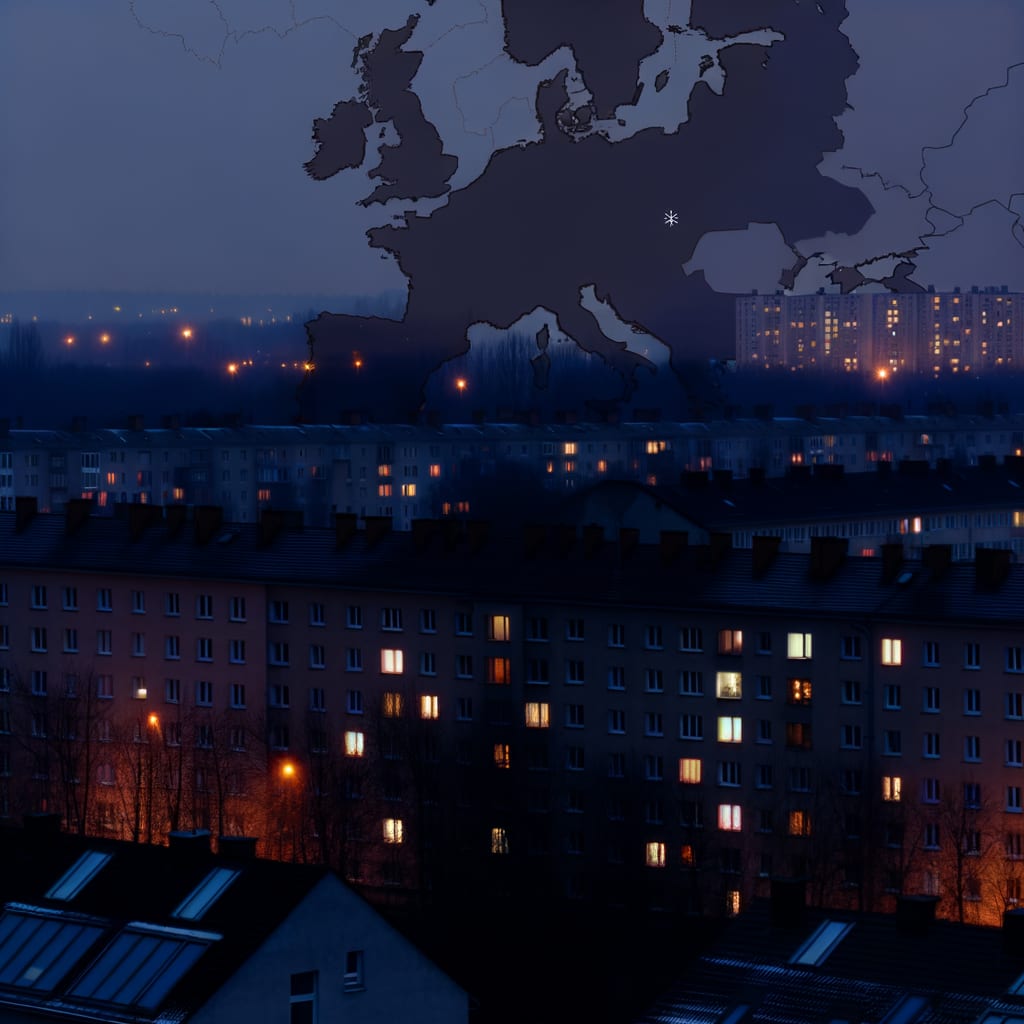
Kyiv Endures Freezing Cold Amid Power Outages
Due to renewed Russian attacks, Kyiv, along with several regions of Ukraine, is grappling with a severe energy crisis, leaving hundreds of buildings without heat amid freezing temperatures that have plunged to -15C. The situation has been ongoing for several days, with Ukraine's capital entering its fourth consecutive day of no power.
Background and Context
Russian attacks have targeted Ukraine's energy infrastructure, causing power outages and network restrictions in Kyiv, the Kyiv region, and the Odesa region. The situation has also affected the Zhytomyr and Kharkiv regions. This is not the first time Russia has aimed at Ukraine's energy supplies during winter, but this year the attacks have intensified as temperatures dropped significantly below freezing.
Key Developments
The blackouts began in late 2025, following serious damage to energy facilities in the Kyiv region. Disruptions to the power supply have left 287 residential buildings without heating, while electricity consumption remains high despite a 1.2% drop, leading to emergency power cuts in effect for all buildings in Kyiv.
In response to the crisis, Ukrainian Prime Minister Yulia Sviridenko has promised that power will be restored by the evening of January 15. Restoration work is already underway, with 17 transformer substations in the capital powered up using generators.
Meanwhile, invincibility hubs
established in 2022 are making a comeback, offering citizens access to heat and electricity. Locals have also shared their survival solutions, which include using blankets, batteries, and fires to stay warm.
As the energy crisis deepens, Ukraine is easing curfew rules to allow citizens to reach humanitarian aid centers even during the night, according to Energy Minister Denys Shmyhal.
Implications and Reactions
As a result of the ongoing energy crisis, schools in Kyiv will be closed until February 1st, as announced by Kyiv mayor Vitali Klitschko. President Volodymyr Zelensky has declared a state of emergency in the energy sector, and authorities have ordered emergency imports of electricity to cope with the shortage.
On an international level, Dutch Defense Minister Ruben Brekelmans has expressed support for Ukraine, emphasizing that Putin is mistaken if he believes he can break Ukrainians or weaken international support.
Current Status
Despite the efforts to restore power, the energy situation in Ukraine remains precarious. There are reports of almost all parts of Mariupol, temporarily occupied by the Russian army, being left without electricity following an explosion. Moreover, the International Atomic Energy Agency has announced a localized ceasefire to begin repairs on the last remaining backup power line to the Zaporozhye nuclear power plant.
The situation is particularly dire in Kyiv, where residents are enduring freezing apartments and snow-covered streets, struggling to keep warm amid the power outages. The city is facing what is being described as an extremely serious
energy crisis, with the Ukrainian Security Service presenting evidence of Russian crimes against humanity.