
Iran Faces Unrest Amid Economic Crisis and Socio-Political Strain
In recent weeks, Iran has been gripped by protests and widespread unrest triggered by an economic crisis and socio-political strain, prompting questions about the stability and future of its current regime. The national currency, the rial, has plummeted to record lows, and structural issues such as an escalating water crisis have exacerbated the situation. Despite these challenges, Iran's clerical establishment holds firm, with no signs yet of fractures within the security elite.
Economic and Socio-Political Strains
Late December 2025 marked the onset of the protests, primarily driven by economic grievances and the collapse of the rial. The exchange rate slid to around 1.39 million rials to the dollar, causing daily repricing and creating an unpredictable restocking environment. The summer's socio-economic strains, including extreme heat and pressure on water and electricity systems, also contributed to the growing discontent1.
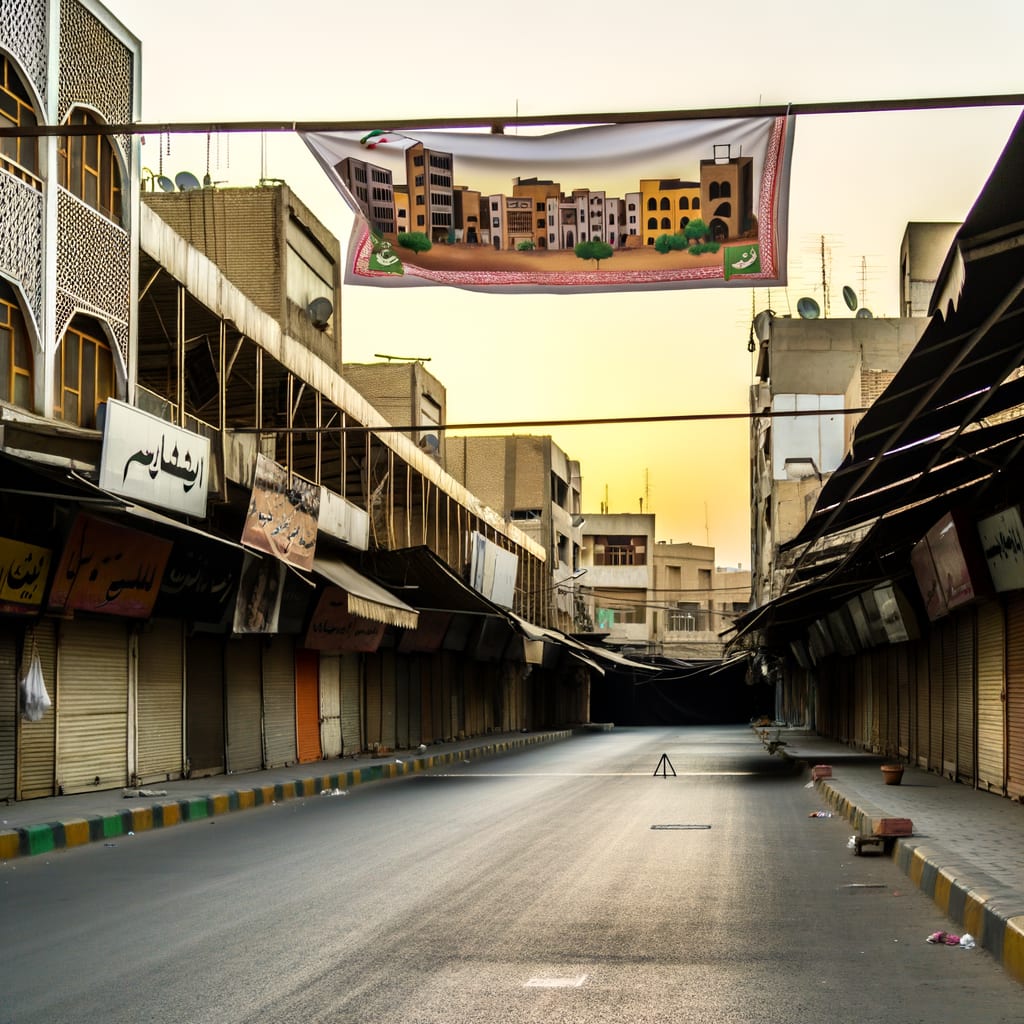
While the protests started as a response to economic strains, they quickly transformed into direct challenges to clerical rule2. Iran's merchant class, the bankrollers of the 1979 revolution, have turned against the clerics due to the failing economy battered by US sanctions and under the tight control of the Islamic Revolutionary Guard Corps3.
Crackdown and International Response
In response to the protests, the Iranian government has resorted to measures including live fire, mass arrests, and communications blackouts2. Evidence of the government's harsh response has trickled out of the country despite the near-total communications blackout4. Iran's Foreign Minister Abbas Araghchi has stated that the country is ready for war but also for dialogue over US threats5.
The situation has drawn attention from external actors, with some suggesting that these internal frustrations are being co-opted and hijacked1.
Implications and Future Outlook
Despite the widespread protests and external pressure, the Islamic Republic’s security elite shows no signs of fracture that could potentially end its government6. However, the unrest has placed the regime's survival in real doubt for the first time in years2.
The nature of power in Tehran today is described as being very different from what it was in the 1970s5. Some experts believe that the regime may not be on the brink of collapse, as suggested by certain narratives7.
As the situation continues to evolve, it remains to be seen whether these protests will lead to meaningful democratic change8 or if the regime will manage to weather this storm.
For now, Iran remains volatile, rocked by two weeks of widespread protests since the currency's collapse5. Amidst this unrest, the future of Iran's current regime hangs in the balance.