
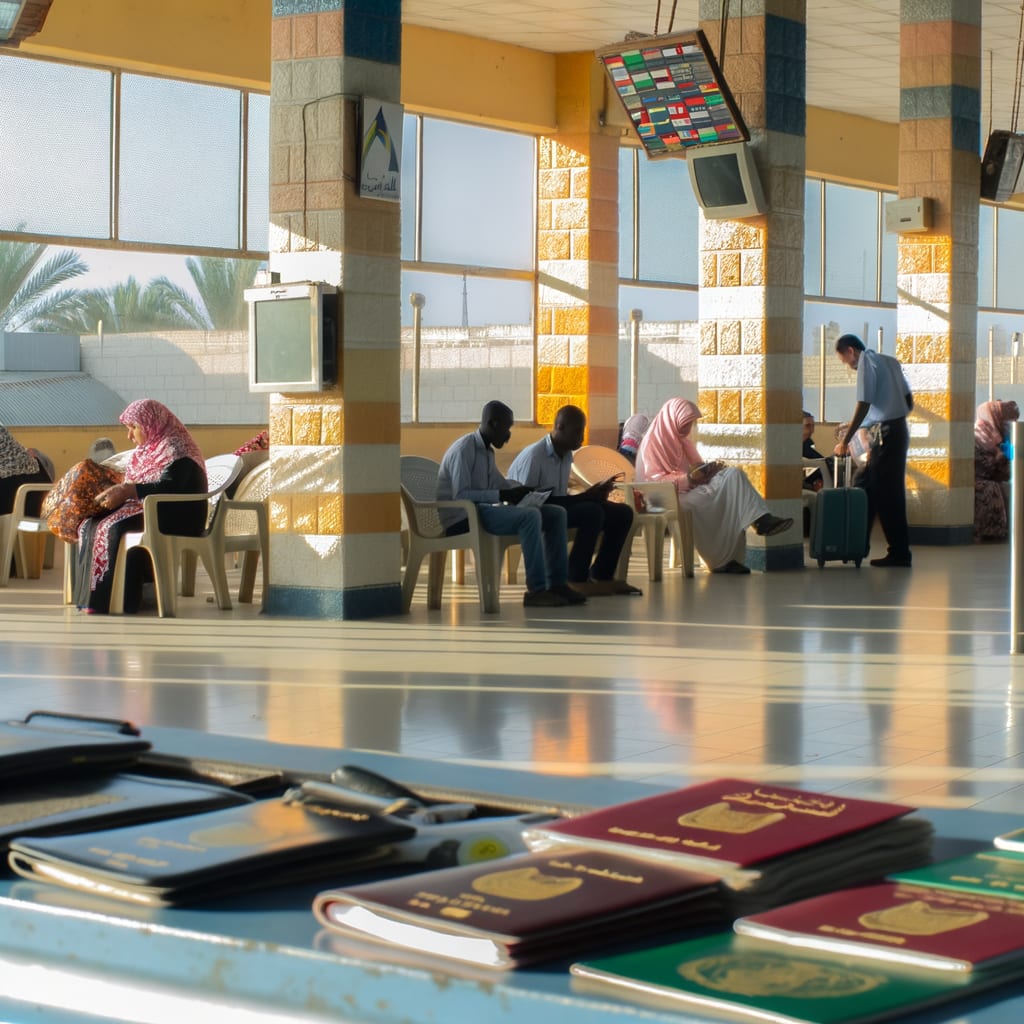
Rafah Border Reopens for Limited Travel Amid Ceasefire, But Challenges Persist
After nearly two years of closure, the Rafah border crossing between Gaza and Egypt reopened on Monday, marking a significant milestone in the Israeli-Hamas ceasefire. However, the reopening comes with tight restrictions, allowing only a limited number of people to cross each day and excluding commercial goods from passage.
Background and Context
The Rafah crossing is the only direct exit point for most Palestinians in Gaza to reach the outside world, and a key entry point for aid. It has been largely shut since May 2024, following conflicts between Israel and Hamas. The reopening was part of the peace plan proposed by the President of the United States, Donald Trump, and approved by Tel Aviv and Hamas in October.
Key Developments
The decision to reopen the Rafah crossing was coordinated by Israel and Egypt. As reported by Fox News, Israel's Coordinator for Government Activities in the Territories (COGAT), which oversees humanitarian and civil efforts in Gaza, said the crossing would be open to the public, but only in a limited capacity, allowing roughly 150 people per day to cross. Israeli forces will provide security for the crossings, in coordination with Egypt and under the supervision of the European Union mission.
However, the opening of the crossing has sparked confusion regarding the selection of those allowed to cross, particularly among patients in Gaza who face unclear criteria and limited travel slots. Only those who left Gaza during the course of the war will be permitted to return, and only after receiving prior security clearance from Israel.
Further, the Israeli state has banned the presence of Doctors Without Borders, a significant provider of medical aid in the region, and imposed drastic conditions for the entries and exits of Gazans from the Gaza Strip.
Implications and Reactions
While the reopening is largely symbolic due to the limited number of crossings allowed, it has been welcomed as a lifeline by Gazans. The drastic conditions imposed by the Israeli state, however, make the step merely symbolic, as reported by Le Monde.
The limited reopening also underscores the pressure on the crossing, with health officials in Gaza noting that tens of thousands of residents with urgent medical needs are seeking evacuation through Rafah. Thousands of Palestinians currently outside Gaza are also hoping to return.
Egyptian authorities have stated their readiness to deliver humanitarian aid to Gaza and receive wounded Palestinians once the Rafah border crossing is fully operational.
Conclusion
Despite the reopening of Rafah crossing being a key step in the Israeli-Hamas ceasefire, the ground realities reflect a largely symbolic development with few people allowed to travel in either direction and no goods entering the war-torn territory. The strict limits on movement, along with the uncertainty surrounding criteria for passage, continue to present significant challenges as Gazans wait for a more comprehensive reopening.