
Trump Reclassifies Marijuana Amid Mixed Reactions
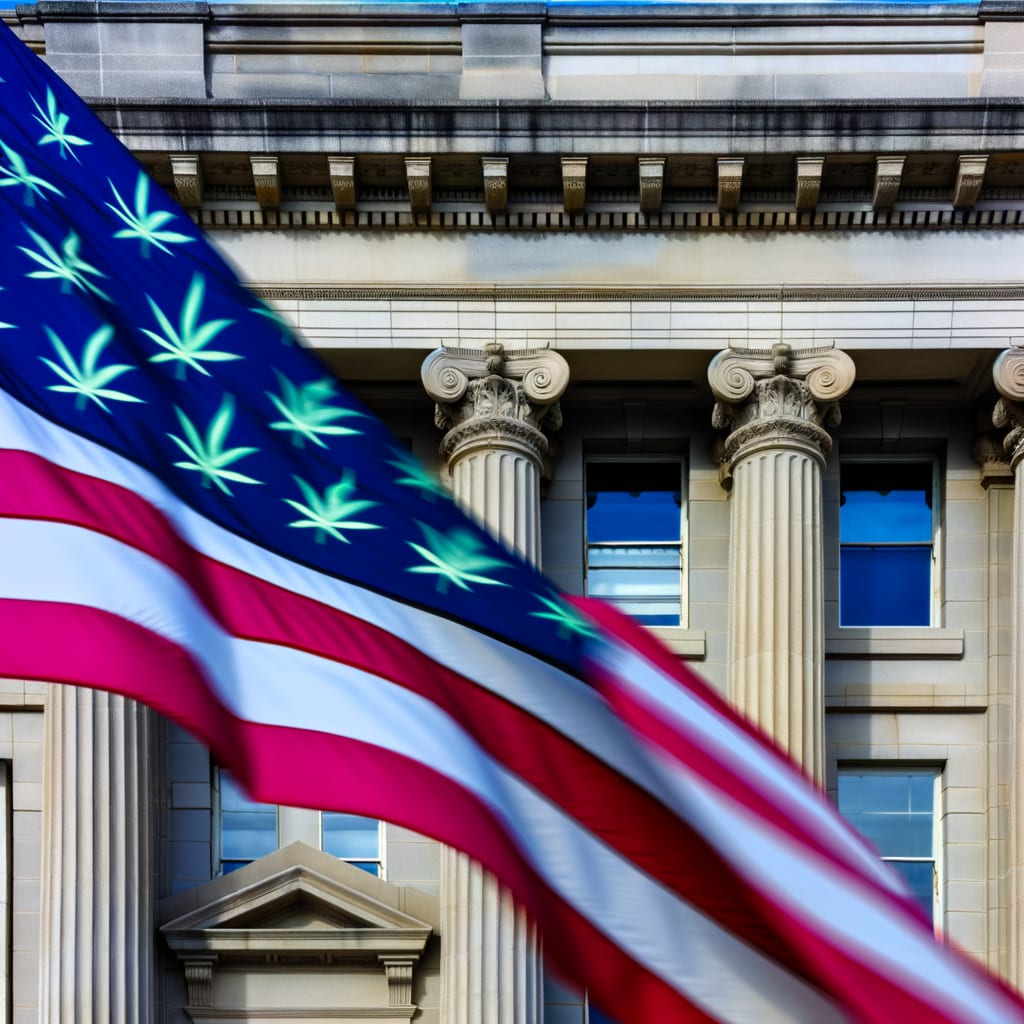
President Donald Trump has signed an executive order reclassifying marijuana as a less dangerous drug, marking a significant shift in US drug policy. The move will ease restrictions on the purchase and sale of cannabis, and is expected to stimulate more research into the drug's medical uses. However, the decision has received both praise and backlash, highlighting a divide in public and political opinion on the matter.
Background
Marijuana was previously classified as a Schedule I drug under the Drug Enforcement Administration (DEA) regulations, alongside substances such as heroin, ecstasy, and LSD. These drugs are considered to have no currently accepted medical use and a high potential for abuse
. The new Schedule III classification places marijuana alongside drugs like Tylenol containing codeine and anabolic steroids, which the agency states have a moderate to low potential for physical and psychological dependence
.
Key Developments
The decision to reclassify marijuana has been met with a mixed reaction. Some view the order as a win for the cannabis industry and a step towards acknowledging the drug's potential medical benefits. Boxing legend Mike Tyson was one of the first to celebrate the move, suggesting that the change could help employment numbers by allowing existing jobs to be counted.
On the other hand, CatholicVote, a political advocacy group, launched a campaign urging Trump to reject the reclassification of marijuana. CatholicVote President and CEO, Kelsey Reinhardt, told Fox News Digital that rescheduling cannabis would falsely signal that it’s safe and medically proven. She also argued that this is how America sleepwalked into the tobacco crisis – approve first, reckon later.
Similarly, a group of House Republicans, led by Rep. Pete Sessions and House Freedom Caucus Chairman Andy Harris, wrote a letter to Trump urging him to keep marijuana a Schedule I drug. They expressed concern that reclassifying marijuana as a Schedule III drug would send the wrong message to America’s children, enable drug cartels, and make roads more dangerous.
Implications and Reactions
The reclassification of marijuana is expected to loosen limits on research and certain regulations, but stops short of making marijuana legal nationwide. It also has the potential to reshape the cannabis industry, ease criminal penalties, and unlock billions in research funding.
However, opponents argue that the decision is worsening the nation's addiction crisis and is only benefiting the $32 billion dollar for-profit marijuana industry. They claim that states like Massachusetts are now trying to reduce recreational use, and that the industry is more interested in growing their customer base than in making life better for Americans.
Current Status
Despite the backlash, the executive order stands. The order calls on the US attorney general to expedite federal reclassification, creating fewer barriers for studies. As the order does not legalize marijuana nationwide, the majority of American states allowing the consumption of cannabis for medical purposes and more than twenty of them also legalizing its recreational use are not directly affected. The implications for public health, the cannabis industry, and the nation's approach to drug policy remain to be seen.