
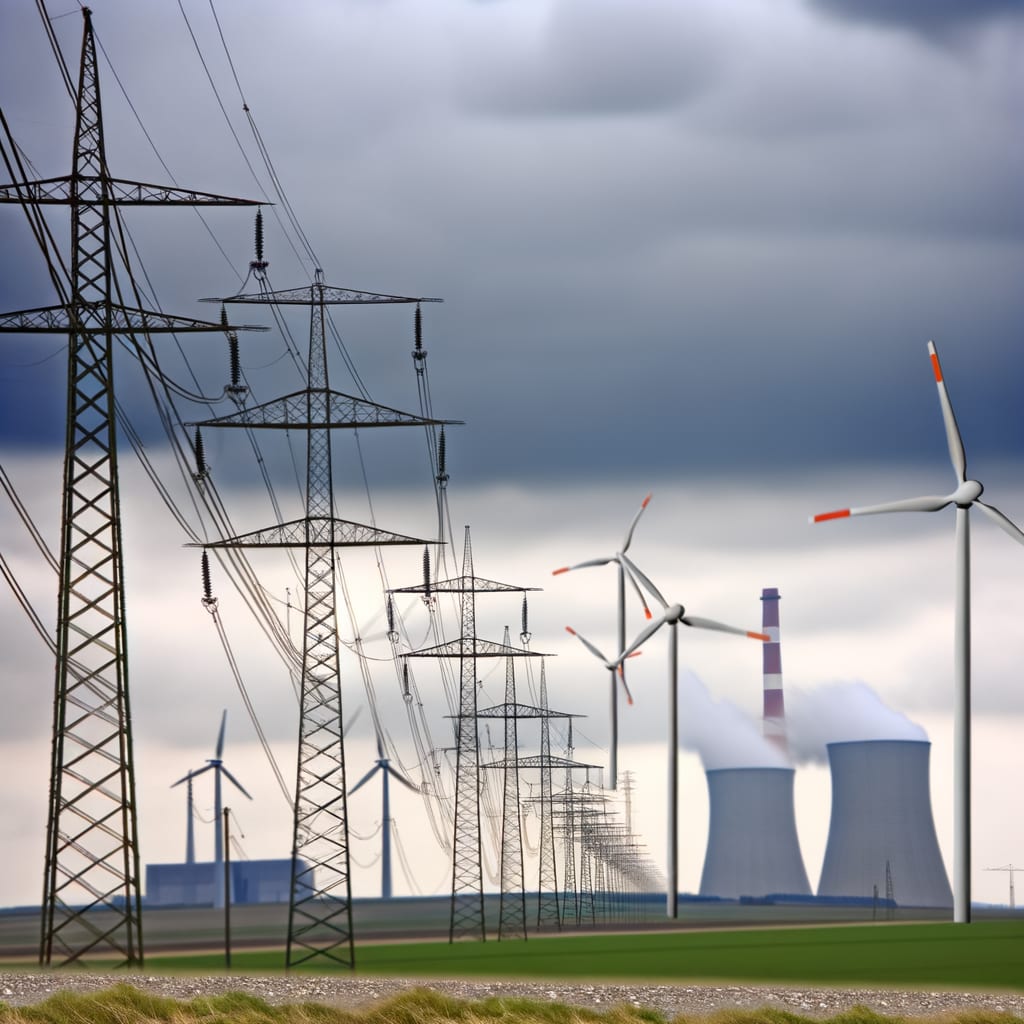
EU Grapples with Energy Crisis Amid Middle East Tensions
The European Union is bracing for a potential escalation of the ongoing energy crisis, triggered by the conflict in the Middle East and the EU's dependency on volatile fossil fuel imports. The crisis has prompted calls for short-term measures, a shift towards nuclear energy, and flexibility on state aid to alleviate high energy prices. However, the EU's response is mired in disagreements and criticism amongst its member states, and the bloc's financial capability to mitigate the energy shock is in question.
Background and Context
The energy crisis has been precipitated by a series of geopolitical events, including the escalation of tensions in the Middle East. The closure of the Strait of Hormuz, through which 20% of global hydrocarbon demand transits, led to the largest disruption in history in the energy supply, according to the International Energy Agency (IEA). This situation has resulted in soaring oil prices and a strain on the European energy market.
The EU's Response
European Commission President Ursula von der Leyen has called for flexibility on state aid to combat high prices. The States have wide margins to reduce taxes on electricity,
she said. This call comes alongside an announcement to accelerate the review of the Emission Trading System (ETS). However, Romanian Premier Ilie Bolojan has warned that it was impossible to avoid rising diesel fuel prices, indicating a potential global oil crisis.
Simultaneously, the EU is revisiting nuclear energy as an alternative source. Von der Leyen admitted that the bloc’s retreat from nuclear energy was a strategic mistake
. She announced a €200 million ($230 million) guarantee fund to support small modular reactors (SMRs), aiming for operational deployment by 2030. But this shift has sparked criticisms from former EU foreign policy chief Josep Borrell, who accused von der Leyen of selective policies and bias toward the US and Israel.
Reactions and Implications
The energy crisis has revealed the EU's vulnerability and has sparked disagreements within the bloc. Slovak Prime Minister Robert Fico called for the replacement of top diplomat Kaja Kallas, criticizing the EU's inability to assert itself on major international issues. On the other hand, a major gas discovery in Libya by Eni could increase supply and contribute to the flexibility of the market, potentially benefiting Italy.
However, economists warn that such measures may not benefit consumers directly. According to experts, abolishing the North Sea windfall tax in the UK, for instance, would not lower energy bills but only increase profits for oil and gas companies.
Current Status
The EU is currently exploring multiple avenues to address the energy crisis, including reverting to nuclear energy, adjusting taxes on electricity, and seeking alternative energy sources. The crisis has exposed the bloc's dependency on fossil fuel imports, prompting a need for diversification and renewable sources. However, with the public debt of some European countries reaching 60-year highs, the financial capabilities to mitigate the energy shock remain uncertain.