
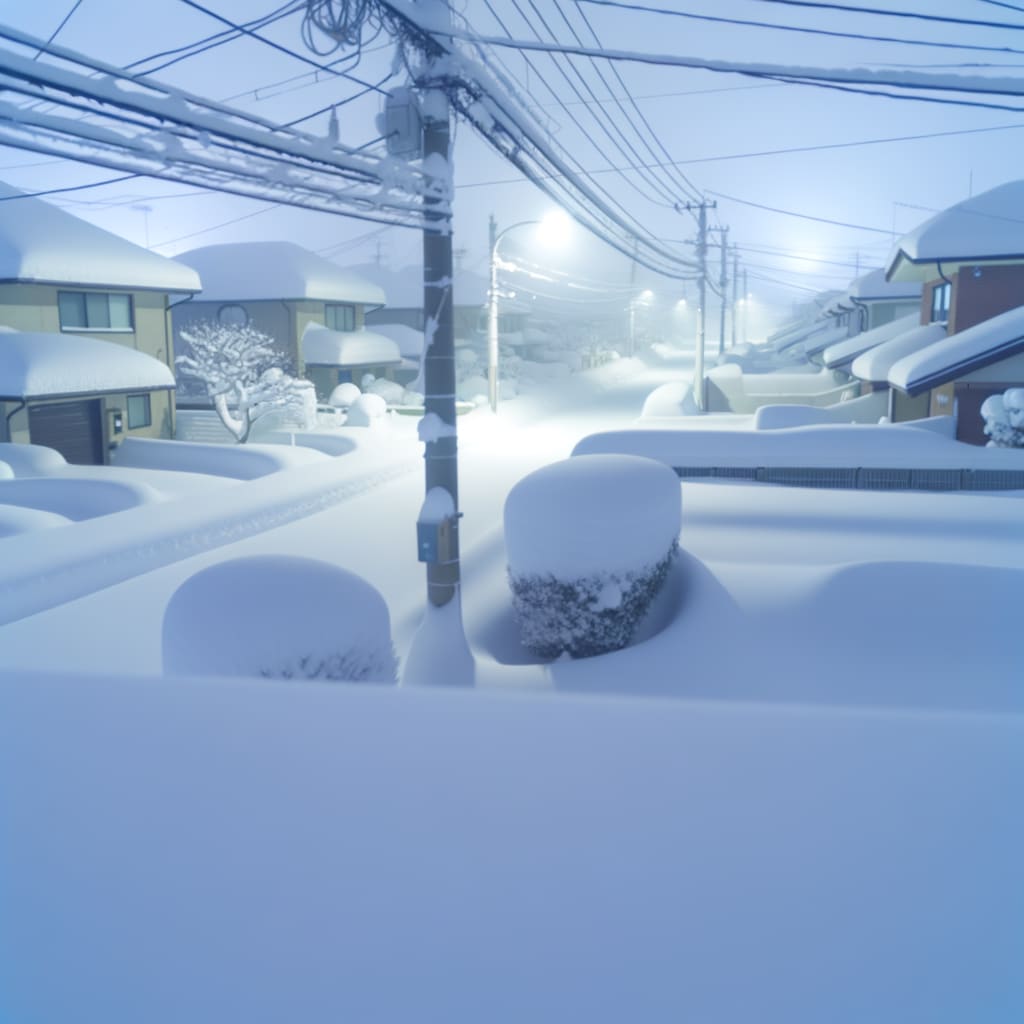
Massive Winter Storm Sweeps Across U.S., Threatening Power Grids and Lives
The United States is currently grappling with a powerful winter storm that has impacted millions of Americans across multiple states. The storm has led to widespread snowfall, freezing rain, and plummeting temperatures, causing significant disruption and emergencies in various regions. The storm has also raised concerns about the ability of the country's power grids to withstand such severe weather conditions in the future.
Background and Context
This storm, described by U.S. President Donald Trump as historic,
is shaping up to be one of the most potent to hit parts of the South in years and has already affected more than 200 million Americans12. The storm has brought heavy snow to the Carolinas, Virginia, and northeast Georgia34, and is set to move northeast over the weekend5.
Key Developments
The storm has caused widespread disruption, including power outages, flight cancellations, and deaths. More than 500,000 customers experienced power outages, with the worst reported in Tennessee, Mississippi, and Louisiana6. Roughly 4,000 flights were cancelled in the U.S. on Saturday7. A concerning development is the death toll, which has risen to over 40 across several states6.
There were contrasting narratives regarding the power grid situation. The New York Times reported that a group monitoring the U.S. electricity system warned of worsening grid reliability and rising blackout risks89. However, Fox News claimed that the electric grid mostly survived the storm due to the Trump administration's decision to keep five major coal-fired power plants online10.
Implications
This weather event has highlighted the vulnerability of the country's infrastructure to extreme weather conditions. Weather forecasters have warned that the combination of ice accumulation, gusty winds, and plunging temperatures could increase the risk of extended power outages and disrupted cell service11.
Government officials have been proactive in their response to the storm. Trump approved federal aid to supplement state and local efforts in South Carolina12, and at least 18 states, including New York, Kentucky, Georgia, and Texas, declared states of emergency13.
Conclusion
As the storm continues to move, weather predictions suggest that it could bring deep snow to parts of the Southeast and Cape Cod, with smaller amounts expected for much of the East Coast3. Authorities continue to encourage residents to stay off the roads, to prepare for possible tech disruptions11, and to brace for potentially hazardous conditions in the coming days13.