
Australian Government Implements Measures to Alleviate Fuel Crisis Amidst Middle East Conflict
As the ongoing conflict in Iran puts a strain on international fuel supplies and prices, the Australian government has rolled out a series of measures to attempt to mitigate the crisis. These include making public transport free for a month in Victoria and Tasmania, halving the fuel excise for three months, and introducing new legislation to underwrite fuel imports.
Background
The global energy crisis caused by the Iran war has led to an unprecedented surge in fuel prices, with diesel prices passing $3 a litre in nearly every capital city of Australia. The escalating prices and supply shortages have resulted in an extraordinary increase in demand for fuel, with petrol stations reporting a surge of up to 25% in the last fortnight alone.
Government Interventions
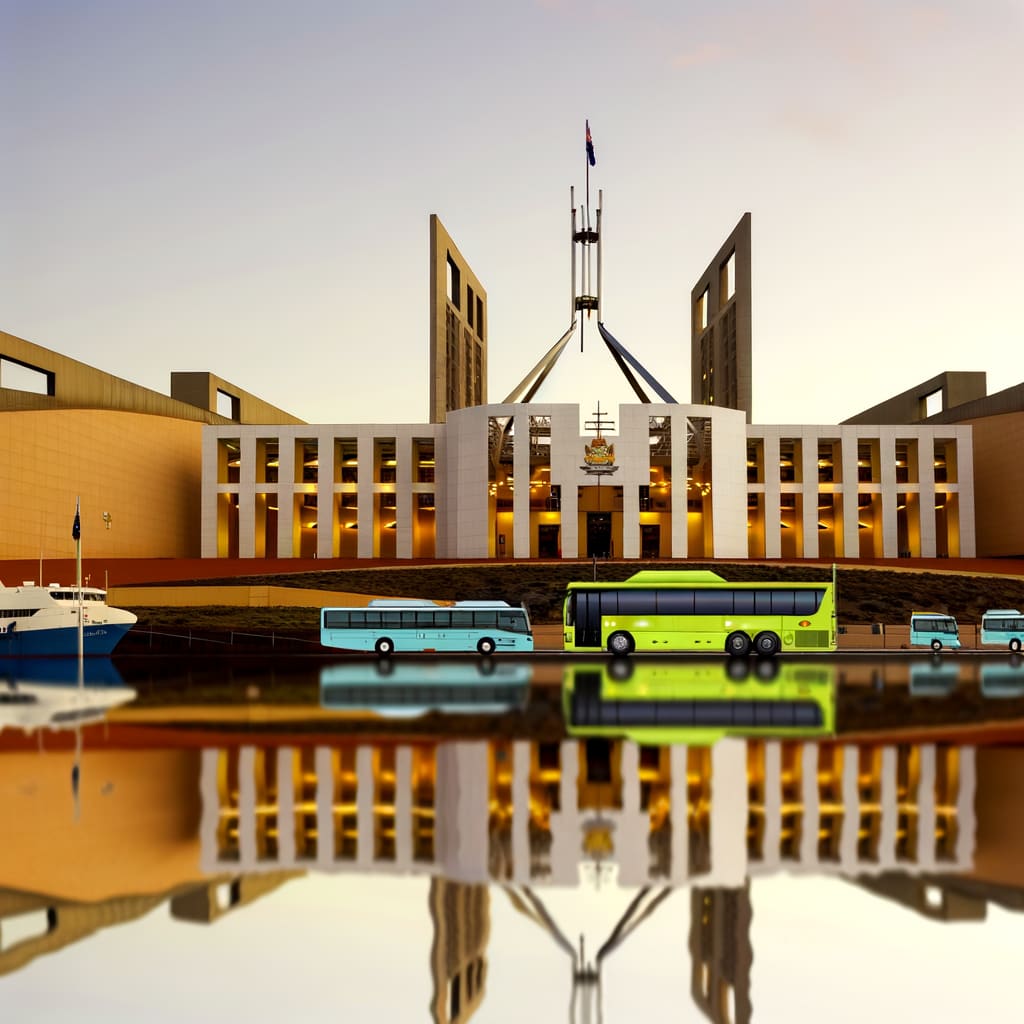
In response to the crisis, the Australian government, led by Prime Minister Anthony Albanese, has introduced a range of measures to alleviate the burden on Australian citizens and businesses. Beginning March 31, public transport in Victoria and Tasmania will be free for a month to encourage commuters to switch from driving and help ease the demand for fuel.
Additionally, the Albanese government has temporarily halved the fuel excise, saving motorists 26 cents a litre on petrol and diesel. This measure, expected to inject $1.5bn into the economy, will be in place for three months starting from the end of March. However, industry experts warn that the effects of the excise cut may take weeks to reach some service stations around the country.
In another move to ensure fuel supply, the Australian government announced new fuel security powers to financially back private sector purchases of fuel and fertiliser. This intervention comes amidst rising concerns over supply shortages, particularly in regional Australia.
Diverging Perspectives
Despite these measures, some have expressed concerns about their potential impacts. Economists argue that the fuel excise cut could lead to an interest rate hike as it injects large sums into an already inflated economy. The fear is that what motorists gain in cheaper fuel, they could lose in more expensive mortgages.
On the other hand, others argue that the government's measures are not enough to address the crisis. Independent petrol station operators and miners have urged the government to take stronger action against major fuel wholesalers accused of hoarding supply and withholding deliveries from smaller operators.
Current Status
While the Australian government's measures are expected to provide some relief to citizens and businesses in the short term, the effects of the fuel crisis are predicted to persist. As rising inflation and unemployment compound the issue, Australians can expect high fuel costs to last for much longer than the conflict in Iran. However, the government has moved to reassure the public that fuel supply levels will remain normal or even higher in the coming weeks.