
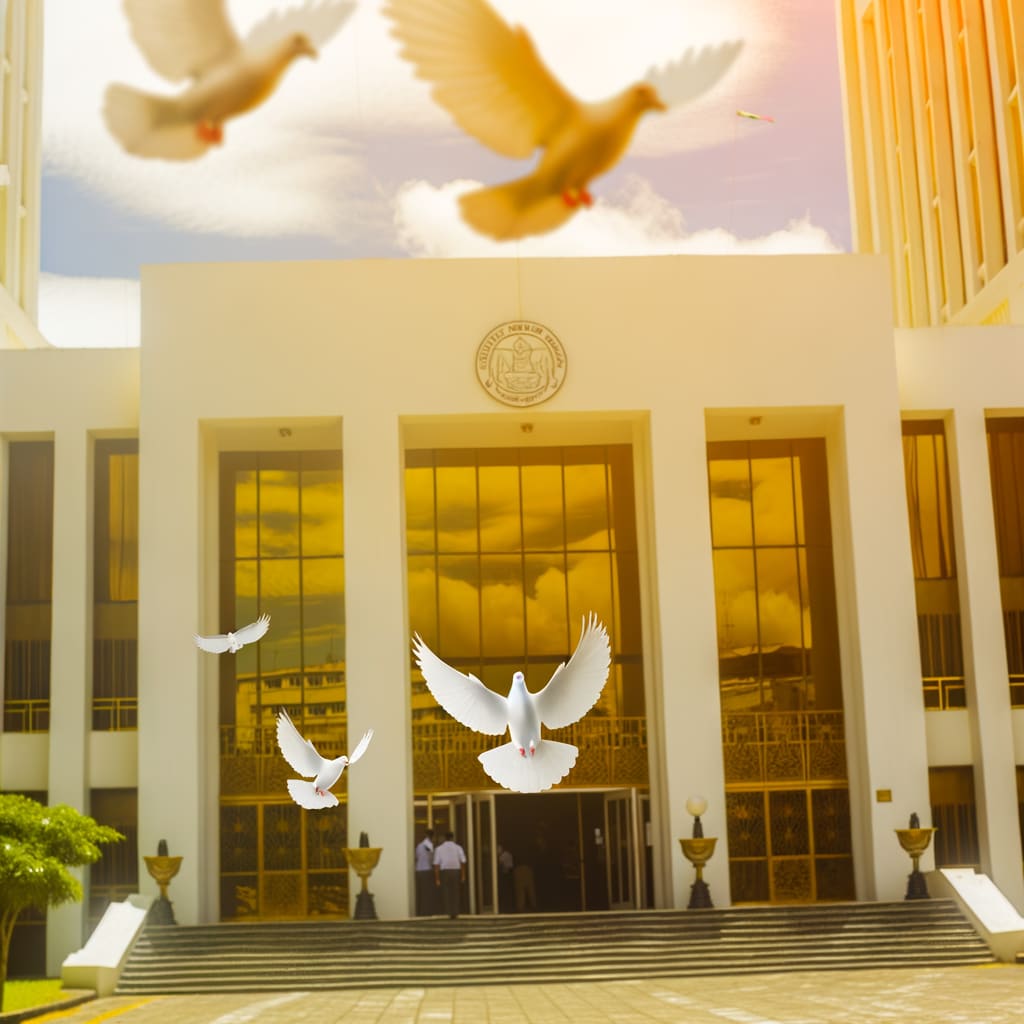
Venezuela Begins Release of Political Prisoners in Bid for Peace
In a significant development, Venezuela has announced the release of an unspecified number of political prisoners, including both Venezuelan and foreign detainees. The move, described as a unilateral gesture of peace
, comes less than a week after the capture of former President Nicolás Maduro by US forces.
Background and Context
Jorge Rodríguez, the president of the National Assembly and brother of the interim president, made the announcement. Rodríguez did not disclose the identities or the total number of detainees to be released, but he stated it would be a significant number
. This move follows the recent intervention by the United States, which resulted in the capture of Maduro and his wife, Cilia Flores, on charges of drug trafficking.
High-Profile Releases and International Reactions
Among the known individuals released so far are Venezuelan lawyer and activist Rocio San Miguel, 2024 presidential candidate Enrique Marquez, and five Spanish prisoners, including two tourists, a resident, a marine research vessel crew member, and the director of an NGO. All are expected to be transferred to Spanish soil on Friday.
The release has been met with varying reactions. The President of Spain celebrated the release as an act of justice and reconciliation
, while other countries, including Argentina and Italy, are still awaiting news about their detained citizens.
Human Rights Concerns and Ongoing Tensions
Despite these releases, human rights organizations have noted that there are still over 800 political prisoners in Venezuela, including more than 80 foreigners. The detainees have been held in notorious facilities such as El Helicoide, a three-sided pyramid in Caracas that was initially built as a shopping mall but has since become a prison known for the torture of its inmates.
The release of prisoners comes at a time of escalating tensions following the US intervention in Venezuela. US President Donald Trump has issued a stern warning to Delcy Rodríguez, the interim leader of Venezuela, suggesting she could face a sterner punishment than Maduro if she fails to cooperate with the United States.
Conclusion
The release of political prisoners marks a significant shift in Venezuela's political landscape following the arrest of Maduro. While it has been seen as a positive step towards peace and reconciliation, the number of remaining political prisoners and the ongoing threat of retaliation from the United States suggest that Venezuela's path to stability remains fraught with challenges.