
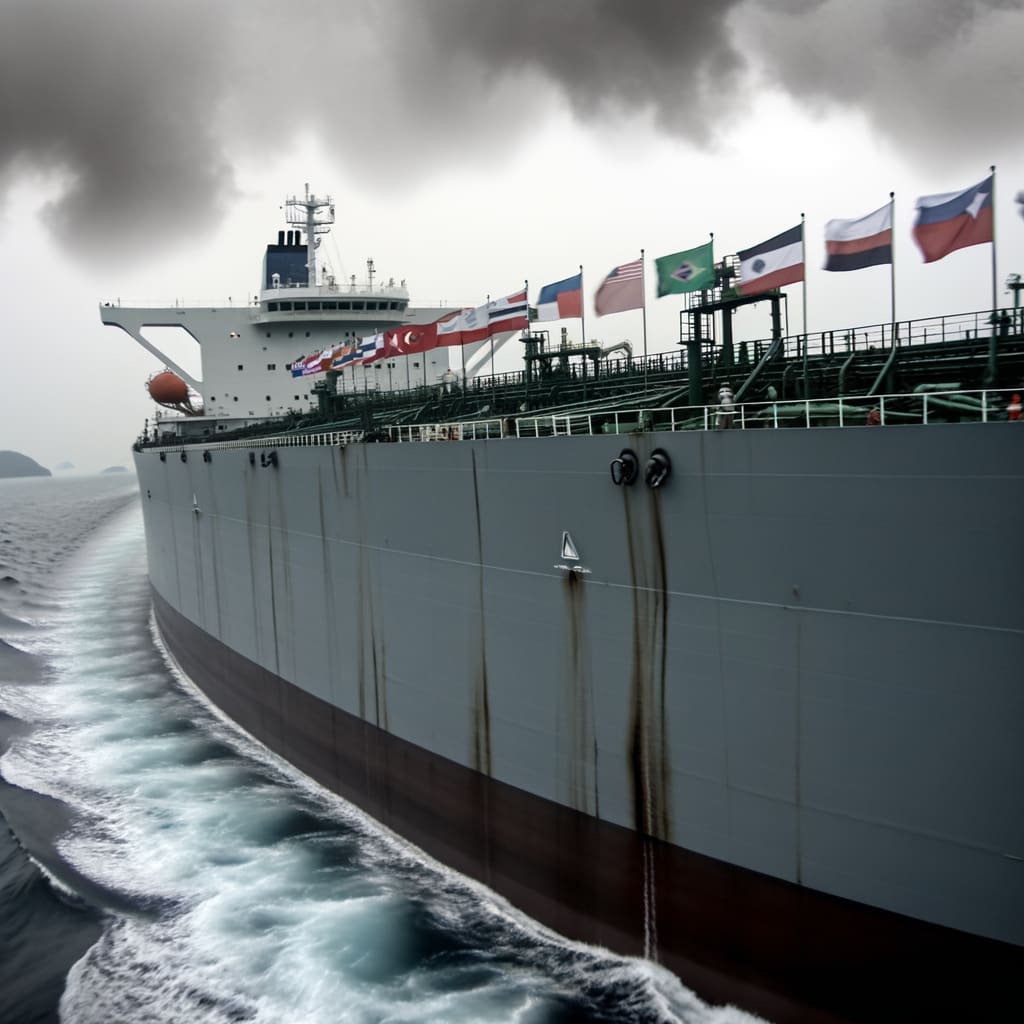
Tensions Escalate as Iran Restricts Access to Strait of Hormuz Amid Increasing Conflict
An escalating conflict between Iran, the US and Israel has resulted in Iran leveraging its geographical advantage by restricting access to the vital Strait of Hormuz. This move has caused a marked decrease in global oil and liquefied natural gas traffic, causing a global spike in oil prices and affecting economies worldwide.
The Strategic Importance of the Strait of Hormuz
The Strait of Hormuz, a chokepoint where disruptions have immediate global energy market repercussions, has long been a potent weapon in Iran's strategic arsenal. Approximately a fifth of global oil and liquefied natural gas typically travels through this strait, which has seen a traffic decrease of 97% since the onset of the Iran conflict.
According to Mehdi Ghazanfari, Chairman of the Board of the National Development Fund of Iran, the American-Zionist coalition's war against Iran necessitates that Iran must be prepared to govern Strait of Hormuz in all dimensions
. The strategic waterway is now being heavily governed by Iran, with the Islamic Republic using its control to offset its foes' military superiority.
Global Response to the Crisis
In response to this development, U.S. President Donald Trump has called for global assistance in securing the Strait of Hormuz. He urged other nations, especially those reliant on Gulf oil, to dispatch warships to ensure the Strait remains open, adding that the U.S. would continue to target Iranian coasts and its navy in the meantime.
Despite the call for assistance, only two vessels not linked to Iran or Russia have braved the journey through the Strait since Trump's announcement of emergency measures.
Iran's Response and Potential Implications
Iran has warned that any attack on its oil and energy infrastructure would result in retaliatory strikes on facilities in the region owned by companies with American shares or those cooperating with the U.S. This comes after Trump's announcement of U.S. forces striking military targets on Iran’s Kharg Island.
In response to Trump's call for securing the Strait, Iranian Foreign Minister Abbas Aragchi mocked the U.S. security umbrella, calling it full of holes
. Furthermore, Iran has threatened to block oil exports in the region to countries it considers enemies or their allies, further escalating tensions.
The Current Situation
Despite the mounting tensions, there are glimmers of hope for a deescalation. Iran may permit a limited number of oil tankers to pass through the Strait if the oil cargo is traded in Chinese yuan. This proposal may offer a temporary resolution, though it does little to address the root of the conflict.
As the situation remains volatile, the United Nations Security Council has condemned Iran's actions, calling for an immediate cessation of all attacks by the Islamic Republic of Iran without mentioning the U.S. or Israel. The resolution passed with 13 votes to none against, with Russia and China abstaining.
As the conflict continues, the world watches closely, hoping for a diplomatic solution that will restore peace and stability to this crucial global oil lifeline.