
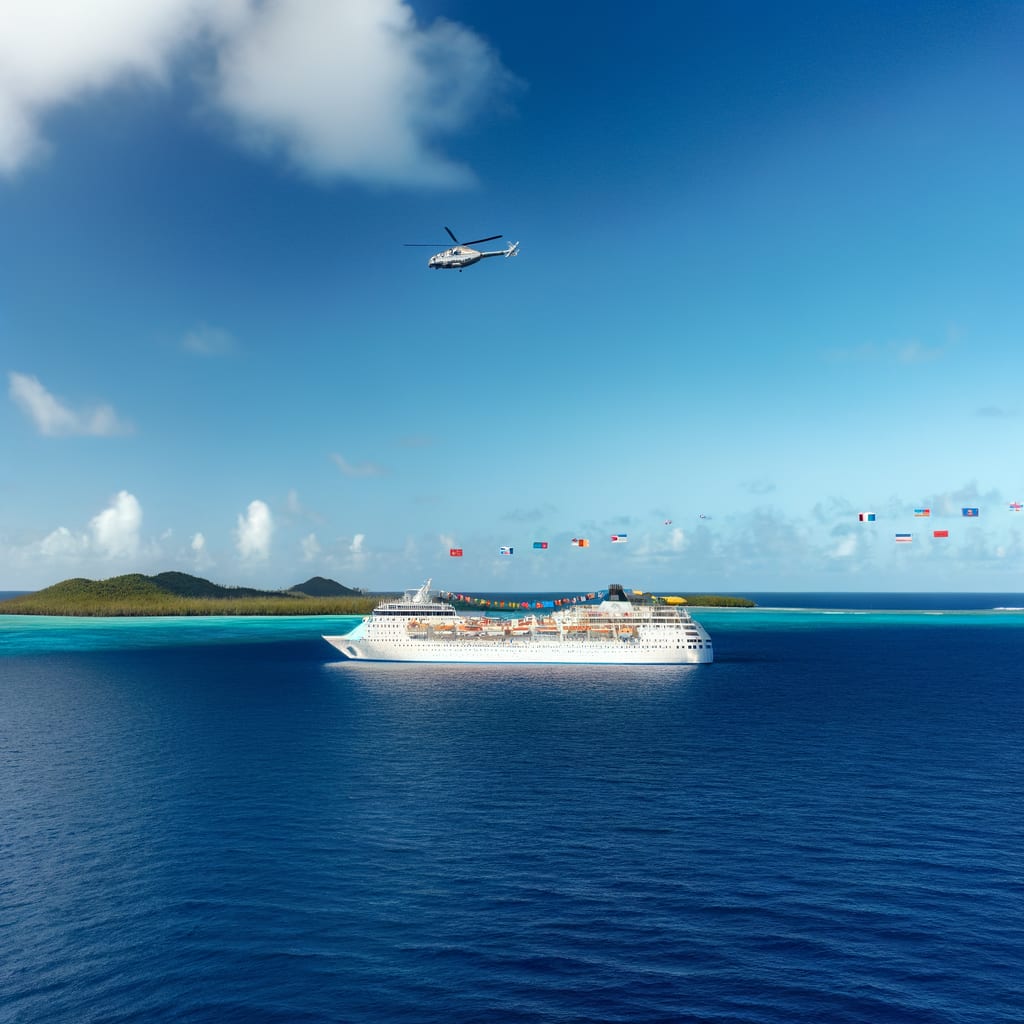
Hantavirus Outbreak on MV Hondius: Multi-country Response to Repatriate Passengers
A deadly Hantavirus outbreak on the MV Hondius cruise ship has triggered an international operation to safely repatriate passengers. The MV Hondius, which embarked from Argentina on April 1st, was bound for Cape Verde with approximately 150 passengers on board. The outbreak has resulted in three deaths and several more cases of the virus among both passengers and crew.
Background and Context
The MV Hondius, a Dutch-flagged vessel, is known for attracting a unique type of traveler, particularly those interested in wildlife expeditions. Despite the crew's commitment to safety, the ship has been struck by a Hantavirus outbreak, a rare disease which usually spreads among rodents.
The outbreak began with a Dutch male passenger falling ill on April 6, with the Captain initially informing passengers it was due to natural causes
and that the ship was safe. However, as more cases emerged, it became clear a serious health crisis was unfolding.
The Repatriation Process
Spain has taken the lead in coordinating the repatriation procedure, working with 22 other countries on three distinct levels. The operation began with passengers disembarking in small groups in the Canary Islands, wearing protective suits. The process is expected to extend until Monday.
The World Health Organization (WHO) has classified all passengers and crew on board as high-risk contacts
. The WHO Director-General, Tedros Adhanom Ghebreyesus, has traveled to the Canary Islands to coordinate the evacuation of passengers.
Global Response and Impact
Countries linked to the hantavirus outbreak have been working diligently to trace and repatriate their citizens. Australia, for instance, has chartered a flight to bring home four citizens and one permanent resident. Meanwhile, the U.S. government is moving to evacuate American passengers to a military base in Nebraska for quarantine and monitoring.
Several countries have detected new cases of the virus among people who traveled on the same flights as passengers from the MV Hondius. Italy, for instance, is monitoring four people who were on a flight with a woman who later died of hantavirus in South Africa.
Current Status and Next Steps
As the MV Hondius nears the completion of its evacuation, the focus shifts to the passengers' home countries and their respective quarantine protocols. Despite the ongoing crisis, many sources express confidence in the multi-country response and the measures being taken to control the spread of the disease.
The Centers for Disease Control and Prevention has stated that the risk to the American public remains extremely low. The WHO also reassures the public that this outbreak is not another COVID situation. Nevertheless, the organization is requiring a multi-country response
to prevent further spread.
The hantavirus outbreak on the MV Hondius serves as a sobering reminder of the challenges that can arise in our interconnected world. As the multi-country response continues, the focus remains on ensuring the safe return and recovery of all passengers and crew.