
Strait of Hormuz Disruption Escalates Tensions, Threatens Global Energy Supply
In response to the ongoing conflict in the Strait of Hormuz, Iraq is reportedly seeking alternative routes for oil exports as the war disrupts the crucial shipping channel, according to an oil ministry spokesperson. Meanwhile, the US and its allies struggle to devise a coherent strategy, and humanitarian organizations raise concerns about the impact on aid supply routes.
The Strait of Hormuz Conflict
The Strait of Hormuz, a key transit passage for global oil trade, has been effectively shut down by the Islamic Revolutionary Guard since the start of the US-Israeli war against Iran. The closure has severely impacted oil production and marketing in the region, leaving several oil shipments stranded at sea. This has prompted countries like Iraq to seek alternative export routes, as reported by the Middle East Eye.
US and Allies' Strategy
Despite warnings from opposition senators about the incoherence and illegality surrounding the war, the Trump administration has not presented a clear plan for the conflict. The absence of a strategic approach extends to dealing with the Strait of Hormuz situation, Iran's nuclear programme, and the possibility of regime change in Iran.
Humanitarian Concerns
The United Nations aid chief, Tom Fletcher, has called for exemptions to facilitate the passage of humanitarian supplies through the Strait of Hormuz. According to Middle East Eye, Fletcher expressed concerns about further escalation damaging other supply routes.
Iran's Response
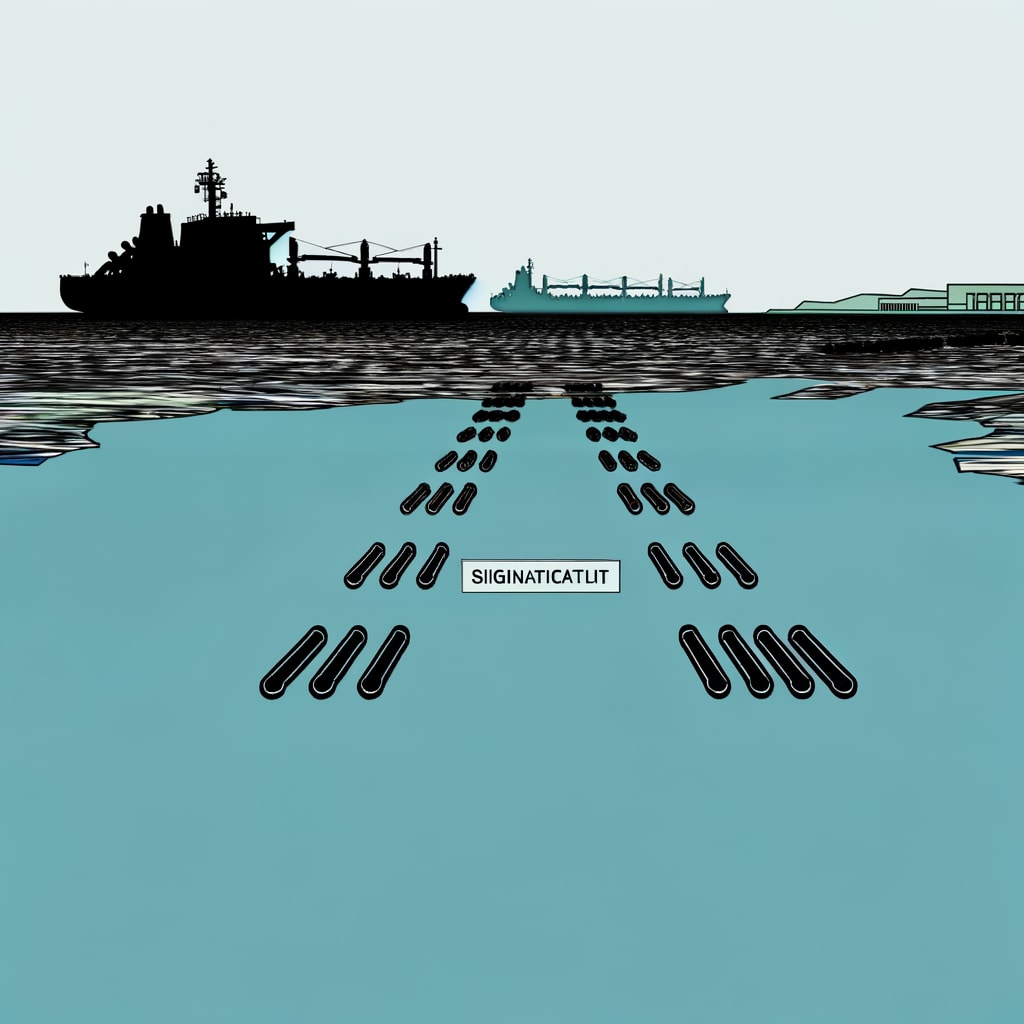
Iran has reportedly deployed naval mines in the Strait of Hormuz, complicating efforts to reopen the crucial shipping route. Tehran has described this as a lawful response to foreign aggression and a necessary defense of its territorial waters. This move could potentially give Iran significant leverage over global energy markets.
Implications and Reactions
As the conflict escalates, ships are reportedly changing their tracking data to claim links to China in an attempt to evade Iranian attacks. However, the US military has targeted Iranian mine-laying vessels, with President Trump demanding that Iran remove any mines from the Strait.
Further, the war has been criticized for drawing the Gulf's energy-rich countries into a conflict they did not want. UAE billionaire Khalaf al-Habtoor accused President Trump of putting war at the top of his priorities, betraying the American people and endangering the Gulf partners.
Current Status
Currently, shipping through the Strait of Hormuz remains effectively halted, straining global energy markets and leading to a rise in energy prices. While the US military is reportedly considering ways to restart shipping through the Strait, the timing and details of such a plan remain unclear. As the standoff continues, the implications for the global energy supply and geopolitical relations in the region remain uncertain.