
US Senate committee votes to hold Anthony Fauci in contempt over Covid hearing
Narrative Snapshot
Across mainstream US and international outlets there is broad agreement on the essential contours: a Republican-led Senate Homeland Security and Governmental Affairs Committee advanced a contempt referral against Anthony Fauci after he repeatedly invoked the Fifth Amendment in a hearing about the Covid-19 response, and the matter could now be considered by the Department of Justice. The number of invocations—reported as more than 100—features prominently in coverage from the Guardian, South China Morning Post, and multiple European outlets, while the BBC, CBC, and Al Jazeera emphasize that the committee’s action sets up a possible prosecution referral.
Outlets diverge on framing and emphasis. US coverage highlights process and politics: the New York Times reports Republicans argued Fauci was not entitled to Fifth Amendment protection because he held a presidential pardon; Fox News focuses on internal Republican debate over whether to send a referral directly to the Justice Department and reports that Senate investigators have obtained a backup of Fauci’s iPhone. Le Monde and SCMP foreground Senator Rand Paul’s long-standing antagonism toward Fauci as central to the committee’s posture. Italian outlets and Serbia’s Politika stress potential criminal exposure and even jail if DOJ acts.
State-linked and partisan media advance distinct narratives. RT centers the hearing on disputes over gain-of-function research, origins in Wuhan, and alleged failures to “tell the truth,” and reports Democrats introduced multiple unsuccessful motions to delay the vote. Telesur underscores that the committee’s move “opens the possibility” for DOJ consideration. The Toronto Star, citing US reporting, situates the episode in the endurance of Covid-era political divides.
What Happened
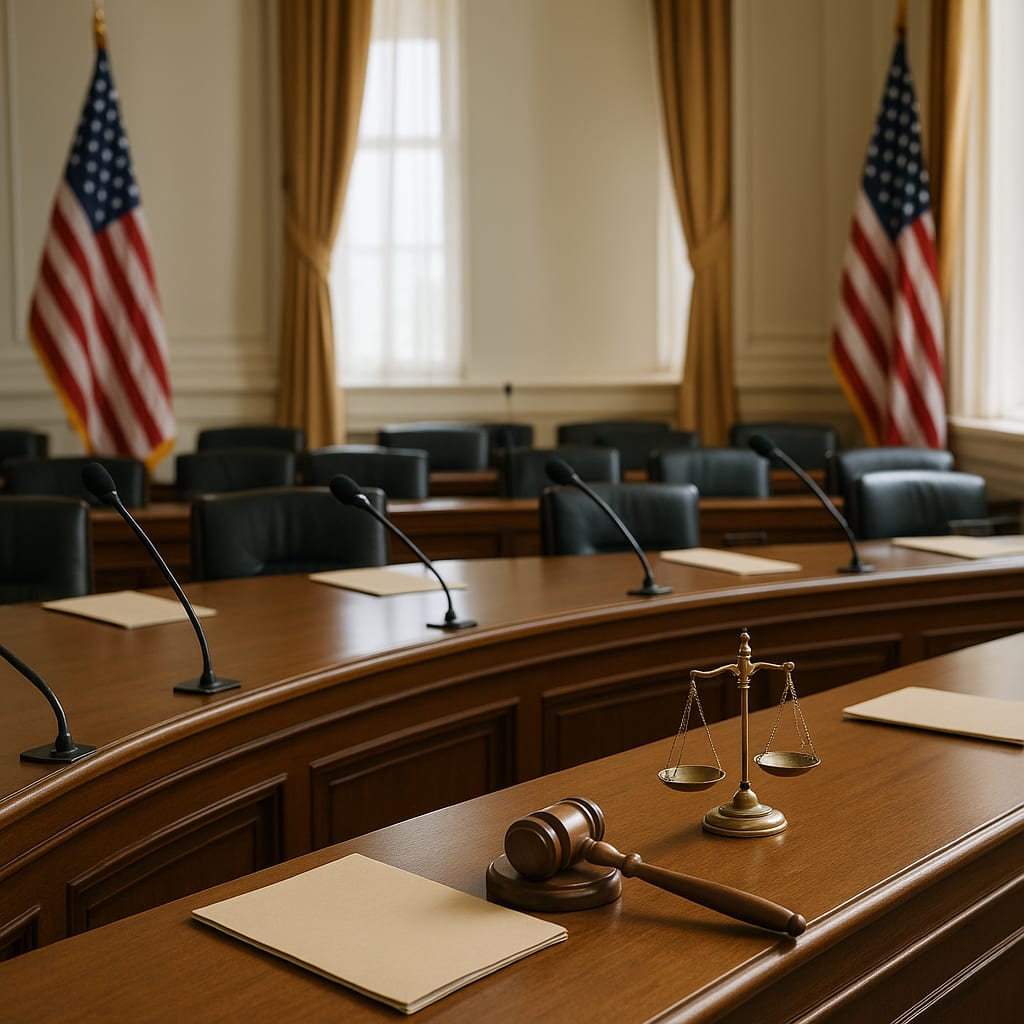
The Senate Homeland Security and Governmental Affairs Committee voted along party lines to hold Anthony Fauci in contempt of Congress after a hearing in which he invoked the Fifth Amendment more than 100 times in response to questions about his handling of the Covid-19 pandemic (Guardian; SCMP; La Repubblica; ANSA; BBC; CBC). The vote was reported as 8–7 (ANSA; RT). Rand Paul, the committee’s Republican chair and a frequent critic of Fauci, led the push (SCMP; Le Monde). The BBC and CBC report the committee will now refer the matter for potential prosecution. The Guardian and Fox News say Senate investigators have obtained a backup copy of Fauci’s iPhone used during his tenure at the National Institute of Allergy and Infectious Diseases. The New York Times adds that Republicans argued Fauci was not entitled to Fifth Amendment protection because he had received a presidential pardon. Fauci retired in 2022 (Guardian; CBC).
Why It Matters
The episode tests the boundaries between congressional oversight powers and a witness’s constitutional right against self-incrimination. The New York Times notes that pleading the Fifth in high-profile, contentious hearings is not unprecedented, situating this case within a broader pattern of adversarial legislative inquiries. Multiple outlets indicate the committee intends to seek DOJ enforcement, raising institutional questions about when contempt is prosecutable—especially where a witness asserts constitutional protections and, as Republicans contend here, may have a pardon affecting self-incrimination claims (NYT; BBC; Telesur; Folha de S.Paulo).
Internationally, coverage underscores the durability of Covid-era political fault lines and their implications for public health governance and accountability. The Toronto Star frames the vote as symptomatic of enduring divisions over scientific authority and pandemic policy. Le Monde and SCMP’s focus on Rand Paul’s leadership highlights how individual legislators can shape trans-branch confrontations. Outcomes could influence future congressional tactics, agency cooperation with inquiries, and how witnesses calibrate legal risk in polarized oversight environments.
Diverging Narratives
Republicans cast the hearing as a quest for accountability, with the New York Times reporting their argument that Fauci’s alleged presidential pardon undermines his Fifth Amendment claim. RT emphasizes substantive allegations about the origins of Covid-19, funding of gain-of-function research, and Fauci’s purported interactions with intelligence agencies; it also reports Democrats introduced five failed motions to postpone the vote. By contrast, the Guardian characterizes the session as a hostile inquisition by Republicans and notes Fauci’s extensive reliance on the Fifth. Centrist outlets like the BBC and CBC confine their accounts to process and consequence—party-line vote, potential DOJ referral—without adopting either side’s interpretations of underlying scientific or intelligence issues.
Within the Republican camp, Fox News reports a tactical split over whether to send a criminal contempt referral directly to the Justice Department and cites Senator Josh Hawley’s plan to draft a memo to Acting Attorney General Todd Blanche urging prosecution. European and Latin American outlets stress legal exposure—ANSA and Corriere della Sera highlight the narrow vote and potential criminal investigation, while Folha de S.Paulo details the legal battle over refusing to testify. Telesur’s framing is procedural, noting the resolution opens a pathway for DOJ review rather than asserting imminent charges.
What Happens Next
The immediate hinge is Department of Justice engagement. The BBC and CBC say the committee will refer the matter for potential prosecution, while Fox News reports GOP discussion of a direct referral; analysts should watch for any DOJ acknowledgment, requests for materials, or prosecutorial assignments, as well as whether the Hawley memorandum reported by Fox is lodged and answered.
A second track is the legal contest over contempt in the face of a Fifth Amendment assertion. Folha de S.Paulo describes an emerging legal battle; if DOJ declines to prosecute, it would limit the committee’s leverage and signal deference to constitutional claims. If DOJ proceeds, courts would test the claimed effect of any pardon described by Republicans in the New York Times and the scope of permissible questioning.
A third indicator is investigative follow-through using the backup of Fauci’s iPhone noted by the Guardian and Fox News. Any public committee statements about document review, additional subpoenas, or scheduling of further hearings would signal whether the panel seeks to build a record beyond the contempt referral.