
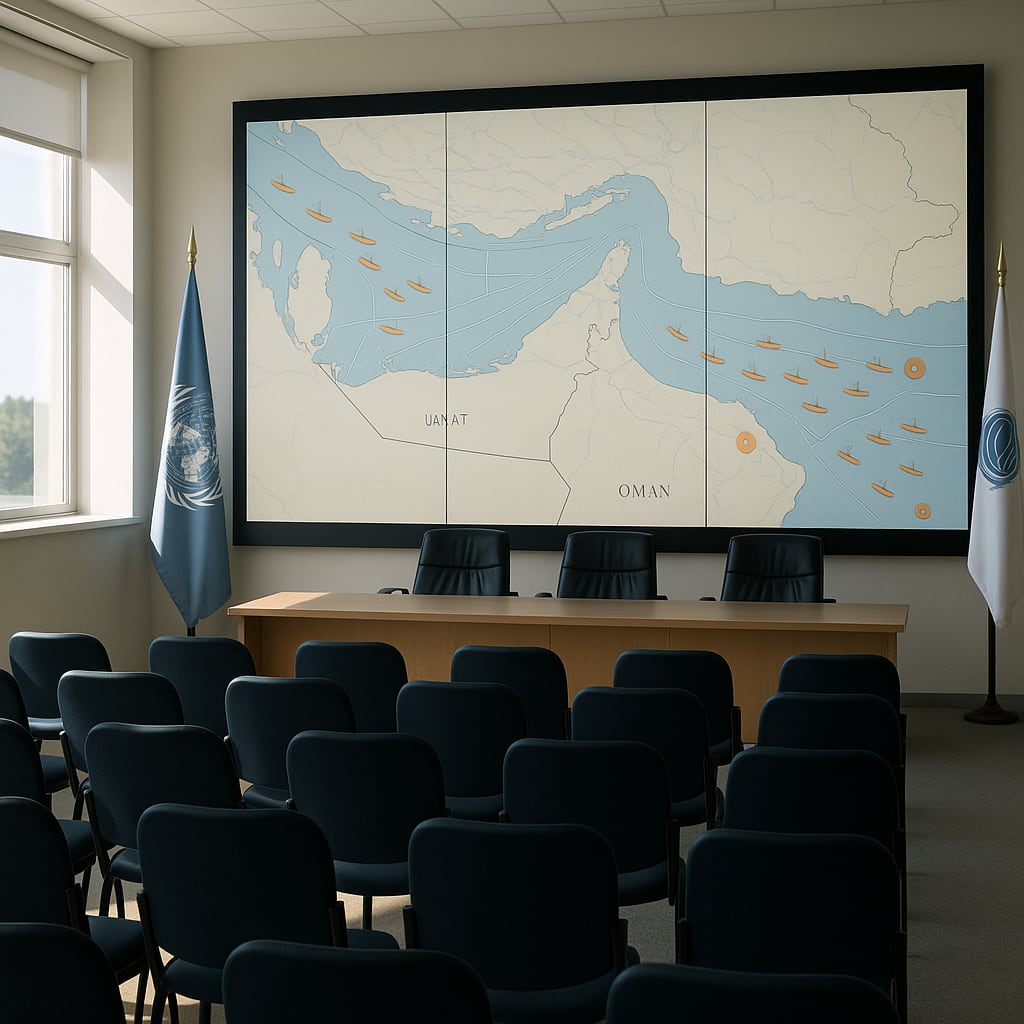
UAE blames Iran for attacks on ADNOC vessels in Strait of Hormuz; no injuries reported
Narrative Snapshot
Across outlets, reporting converges on an Emirati allegation that ADNOC-operated ships were attacked while transiting the Strait of Hormuz, with no injuries. Several sources foreground the UAE’s characterization of “piracy” and threats to energy security, elevating the incident from a bilateral dispute to a matter of global concern. Others keep to a narrower, incident-led frame, emphasizing the company’s confirmation that a single vessel was targeted and that the situation is contained.
The strongest attribution comes via coverage citing the UAE’s official agency, which links the incident to Iran’s Islamic Revolutionary Guard Corps. By contrast, some outlets cite “Iran” without specifying a branch, and company-level statements avoid apportioning blame altogether. A later report of a separate strike on a bulk carrier by an “unknown projectile,” and Saudi Arabia’s condemnation framing the episode as a recurring pattern of Iranian attacks, widen the lens to regional maritime risk and diplomatic positioning around navigation and energy flows.
What Happened
The UAE, through its state news agency WAM and cited by multiple outlets, accused Iran of attacking ADNOC-operated tankers while they transited the Strait of Hormuz, describing the incident as “piracy.” Coverage of the Emirati allegation varies on particulars: some reports say two ADNOC vessels were targeted and that drones were used, while the Abu Dhabi National Oil Company itself stated that one of its vessels came under attack, reported no injuries, and said the situation was under control. Timelines in reporting point to the evening of 13 or 14 August. Saudi Arabia issued a statement condemning the targeting of two ADNOC tankers and called the repetition of such attacks a dangerous escalation and a direct threat to maritime navigation and global energy supplies. Separately, the UK Maritime Trade Operations reported a bulk carrier struck by an unknown projectile in the Strait, with the crew safe and no damage assessment yet available.
Why It Matters
The incident is being framed by regional actors as a direct challenge to navigation safety and global energy security, language used by the UAE and Saudi Arabia to signal stakes beyond a discrete security event. The choice of “piracy” by Abu Dhabi invokes internationally recognized norms against interference with commercial shipping and situates the episode within broader debates about freedom of navigation. The UKMTO advisory to transit with caution and report suspicious activity underlines the operational consequences for mariners and maritime risk managers in one of the world’s most critical energy chokepoints. For policymakers, the combination of company-confirmed targeting, state-level attribution to Iran, and allied regional condemnation suggests a tightening of diplomatic messaging around deterrence and protection of energy supply routes, even as specific facts about the number of vessels and method of attack remain uneven across reports.
Diverging Narratives
Two key factual seams run through the coverage. First is the count: several outlets, citing the Emirati position, report two ADNOC tankers were attacked, whereas ADNOC’s own statement confirms one vessel. Second is method and attribution detail: some reports describe drone fire; another cites an unknown projectile in a separate strike on a bulk carrier; and only coverage referencing WAM explicitly names the Islamic Revolutionary Guard Corps, while other accounts attribute responsibility to “Iran” without organizational specificity. Timelines differ as well, with reporting pointing to the evening of either 13 or 14 August.
Framing also diverges. Al Jazeera English highlights the UAE’s contention that the attacks threaten global energy security, while Middle East Eye’s initial piece confines itself to ADNOC’s confirmation and the absence of injuries. Saudi Arabia’s foreign ministry escalates the interpretive frame, calling the incident a recurrence of Iranian attacks and a dangerous escalation. TASS relays the WAM account with minimal elaboration and emphasizes the lack of casualties. These variations leave open questions about the exact scope of the incident, the weapons employed, and the evidentiary basis for specific attribution claims.
What Happens Next
Three decision points are embedded in the reporting. First, whether Emirati authorities provide further details to substantiate their attribution, including clarifying the number of ADNOC vessels affected and method of attack, as signaled by their public allegation via WAM. Second, whether ADNOC issues additional operational updates, building on its confirmation that one vessel was attacked with no injuries and that the situation was under control. Third, how maritime advisories evolve: UKMTO has already advised caution and sought reports of suspicious activity after a separate projectile strike on a bulk carrier, so subsequent advisories will indicate how risk is being managed in the Strait.
Analysts should watch for further regional diplomatic messaging like Saudi Arabia’s condemnation of attacks on two tankers, any refinement of incident timelines, and official statements that reconcile the discrepancy between one and two targeted ADNOC vessels.