
Trump orders reduction of US–South Korea exercises; Seoul says drills proceed as planned
Narrative Snapshot
Across outlets, there is broad agreement on the president’s stated rationale: cost, signaling, and his “very good relationship” with Kim Jong-un. North American and Asian coverage repeatedly foregrounds a secondary grievance—Seoul’s refusal to support U.S.-led efforts on Iran—linking the order to broader burden-sharing and coalition politics (Toronto Star; Japan Times; The Hindu; South China Morning Post; NBC News; CBC; New York Times; Fox News). European and Russian outlets center the signaling argument to Pyongyang and note that Seoul has indicated the maneuvers would continue (Le Monde; TASS).
Where outlets diverge most is on strategic context and risk. The Guardian highlights warnings from U.S. and South Korean military officials that North Korea is absorbing battlefield lessons from the Ukraine war, sharpening the deterrence-readiness stakes of any reduction. Fox News frames the decision alongside recent North Korean missile activity. By contrast, RT underscores Trump’s description of North Korea as “unthreatening and respectful” during his tenure and the drills’ “hostile” optics. Some coverage also details the exercise’s evolving focus—drones, cyber, and navigation interference—underscoring its relevance to modern conflict even if scaled back (Clarin).
What Happened
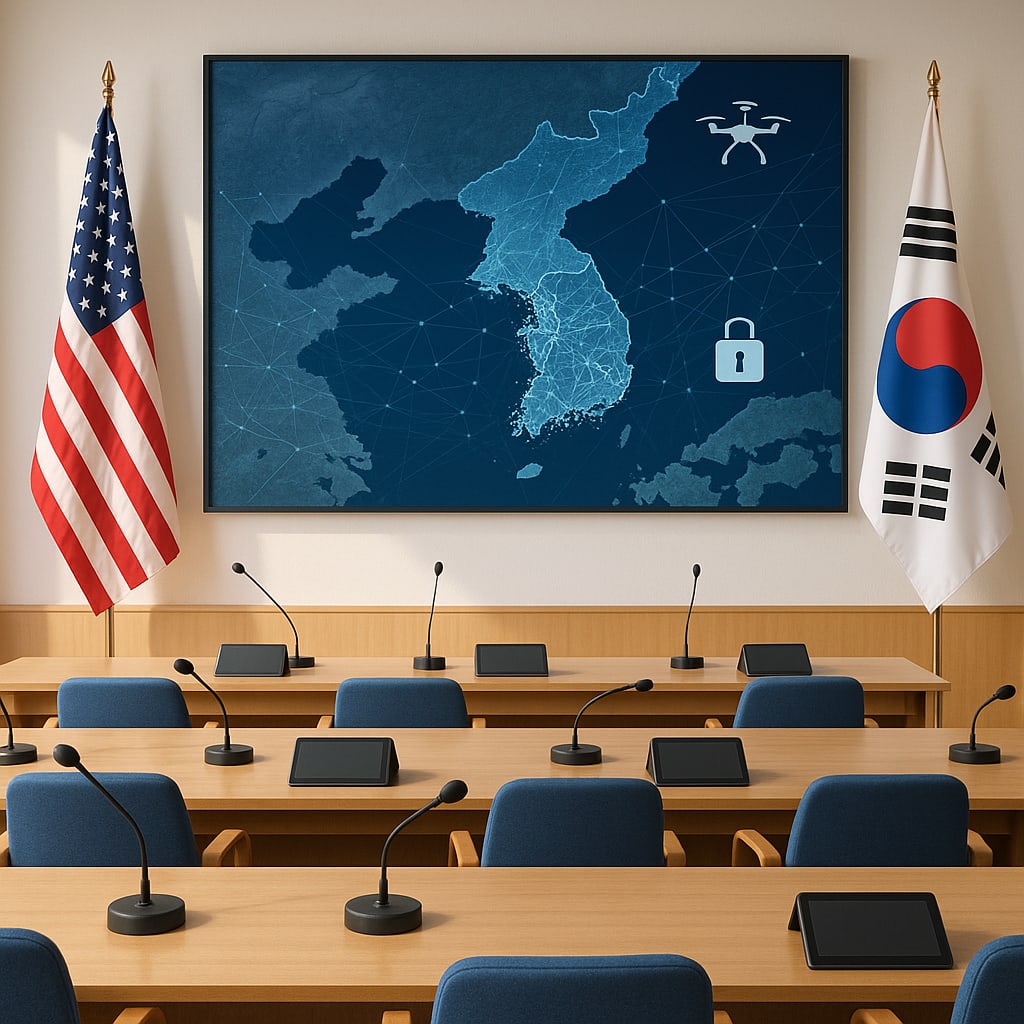
On August 16, 2026, President Donald Trump said he had directed the Pentagon to “substantially reduce” the upcoming U.S.–South Korea joint military exercises, calling them costly and an “inappropriate and hostile” signal to North Korea given his “very good relationship” with Kim Jong-un (RT; NBC News; Al Jazeera English; ECNS). He also criticized Seoul for declining to support U.S.-led efforts on Iran, variously described as helping “denuclearize Iran,” joining “actions against Iran,” or the “war in Iran” (Toronto Star; Japan Times; The Hindu; South China Morning Post; CBC News; New York Times; NBC News; Fox News). Trump added it was too late to cancel the drills outright (RT; Fox News). The Ulchi Freedom Shield exercise, one of two major annual U.S.–ROK drills, began Monday and runs through August 27 (The Guardian; ANSA), with RT reporting about 18,000 South Korean and 5,000 U.S. personnel and Clarin noting scenarios involving drones, cyberattacks, and navigation interference. Seoul said the maneuvers would proceed as planned (Le Monde; TASS).
Why It Matters
Annual U.S.–ROK exercises are a core instrument of allied readiness and signaling; scaling them touches alliance credibility and regional deterrence architecture. The Guardian’s note that military officials from both countries see North Korea as learning operational lessons from the Ukraine war highlights a tension between political signaling and military assessments of readiness requirements. Several outlets link the decision to Seoul’s stance on Iran, tying a Northeast Asia alliance issue to cross-theater coalition alignment and burden-sharing debates (Toronto Star; Japan Times; The Hindu; SCMP; NBC; CBC; NYT; Fox News). Clarin’s description of the drills’ focus on drones, cyber, and navigation warfare underlines their role in adapting to contemporary threats. Le Monde and TASS reporting that Seoul intends to proceed as planned indicates near-term continuity, but the U.S. order introduces uncertainty about the scope and precedent for future adjustments, with implications for how allies interpret U.S. resolve and how Pyongyang reads allied intent.
Diverging Narratives
Trump’s framing emphasizes costs, alliance equity, and de-escalatory signaling toward Pyongyang, asserting that North Korea has been “unthreatening and respectful” during his presidency (RT; SCMP; Fox News). Much of the Anglophone and Asian coverage also records his complaint about Seoul’s refusal to support U.S. efforts on Iran, elevating a linkage between Indo-Pacific posture and Middle East coalition politics (Toronto Star; Japan Times; The Hindu; SCMP; NBC; CBC; NYT; Fox News). In contrast, The Guardian situates the move against warnings from U.S. and South Korean military officials that North Korea is accruing battlefield experience from the Ukraine war, implying a potential readiness cost to scaling back. Fox News places the announcement alongside ongoing North Korean missile activity. On implementation, European and Russian outlets underscore that Seoul stated the drills would proceed and later reported they were underway as planned, even after the reduction order (Le Monde; TASS). Finally, Clarin’s operational details on drone and cyber components highlight the exercise’s modernization, suggesting that any “substantial” reduction could affect precisely the domains allies are prioritizing.
What Happens Next
Two decision points emerge from the reporting. First is implementation: the presidency ordered a “substantial” reduction, but Seoul stated the drills would proceed as planned, and subsequent reporting noted they were underway (Le Monde; TASS). Analysts should watch for Pentagon or Indo-Pacific Command clarifications on scope—such as adjustments to troop participation, scenario sets, or high-end components like the drone and cyber modules Clarin described. Second is alliance diplomacy: multiple outlets tie the order to Seoul’s refusal to support U.S. actions on Iran (Toronto Star; Japan Times; The Hindu; SCMP; NBC; CBC; NYT; Fox News). Any public ROK response on Iran policy or U.S. burden-sharing demands would signal whether this linkage affects broader cooperation. The Guardian’s reference to officials’ warnings suggests further civil–military and bilateral consultations; statements from U.S. and ROK defense officials will indicate how deterrence messaging is maintained through August 27 and beyond.