
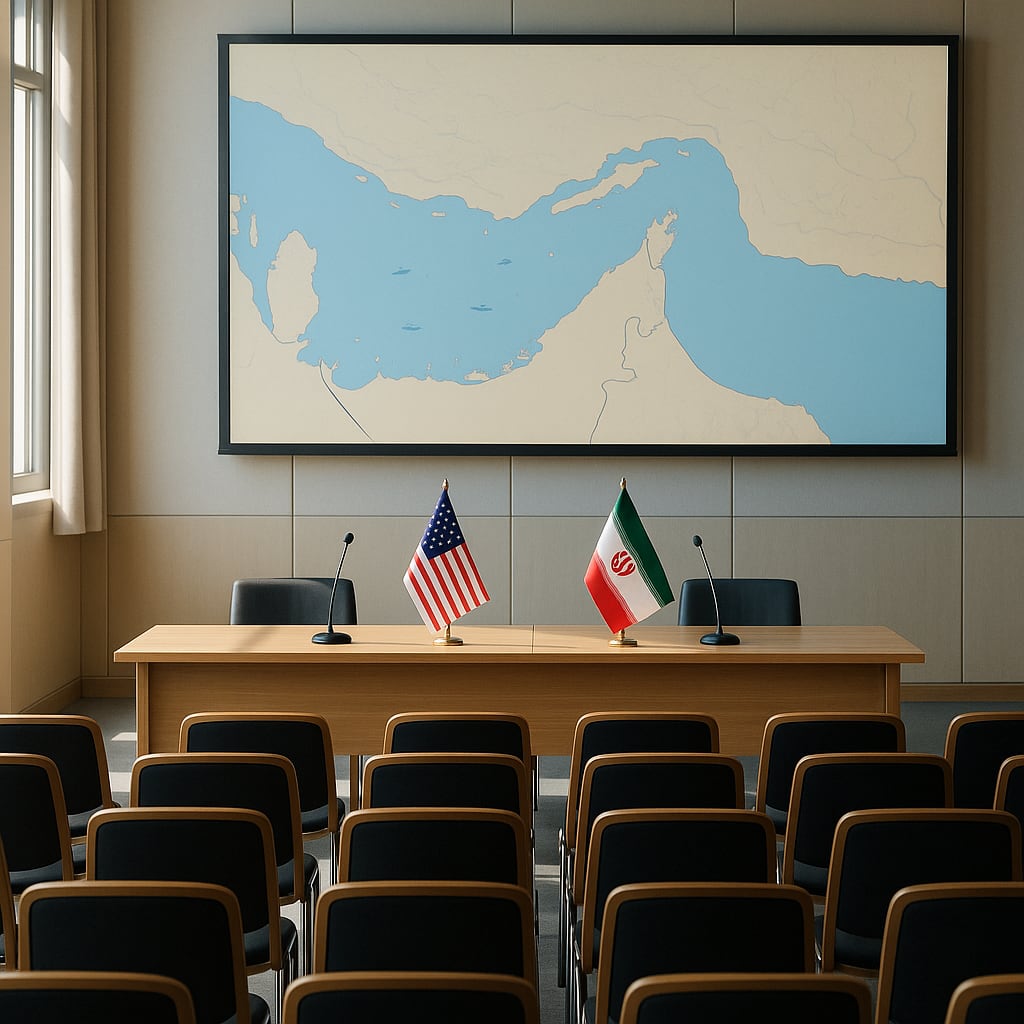
US-Iran 60-day truce framework lapses with no extension, standoff over Hormuz unresolved
Narrative Snapshot
Across outlets there is convergence that the 60-day memorandum of understanding expired without a final deal and that positions on the Strait of Hormuz hardened rather than softened. Reporting also aligns that Washington publicly rejected an extension and Tehran said it would not negotiate one, while UN leadership urged a return to talks. Where narratives diverge is over attribution of violations, the status and meaning of the lapsed MoU, and who exerts control over maritime access through Hormuz.
Iranian state-linked outlets characterize the US as the violator and depict the MoU as suspended but potentially “revivable” if Washington changes course, even as officials in Tehran rule out extending the 60-day clock. US and UK outlets foreground President Donald Trump’s refusal to extend, his “white flag” rhetoric, and a shift toward intensified economic pressure, with Al Jazeera adding that the US has claimed control of Hormuz. Chinese media highlight Iranian leaders’ portrayal of the MoU as achieved with “dignity” and “power” and provide data on sharply reduced shipping flows.
Israeli coverage situates the expiry within an ongoing regional war, noting simultaneous drone attacks in Iraqi Kurdistan and Iran’s claim of a separate understanding with Oman on Hormuz. Latin American and Argentine outlets emphasize Washington’s stalemate and the economic strain inside Iran under sanctions, including the reported risk of domestic protests. A Russian wire service underscores only that the US will not extend because Iran will not accept its terms. One Venezuelan outlet amplifies an uncorroborated claim by a former US lawmaker about nuclear options and says Trump “threatened Oman” over Hormuz; no other source confirms those assertions.
What Happened
The June US-Iran memorandum created a 60-day window to negotiate a final agreement; outlets place the signing on June 17–18. It unraveled quickly amid disputes over control of the Strait of Hormuz and alleged violations during an intended ceasefire period, with Trump declaring the pact “over” by July 7, according to Fox News and Al Jazeera. As the deadline arrived on August 17, Trump said the US would not seek an extension, a stance echoed by Middle East Eye, TASS and Japan Times. Tehran’s Foreign Ministry spokesperson likewise ruled out talks on extending the 60 days, while Iranian media accused Washington of systematic breaches; an IRNA official called the MoU “in a coma.” Trump hardened rhetoric, urged Iran to “put up the white flag,” and signaled a new phase of economic pressure, also confirming a direct back channel with IRGC officials to Fox. Shipping through Hormuz remained severely curtailed, CGTN reported, and The Times of Israel noted concurrent drone strikes in Iraqi Kurdistan and Iran’s claim of a deal with Oman regarding Hormuz.
Why It Matters
The lapse intensifies a contest over a strategic chokepoint central to global energy flows. CGTN reported only two vessels transiting on a given day, underscoring how contested control of Hormuz can compress maritime commerce and insurance risk even without formal closure. The dispute also tests the limits of coercive economic statecraft: Washington is preparing additional sanctions pressure, Fox reported, while Clarin says Iran’s economy is suffering under existing measures, with a growing risk of protests. Regionally, the MoU’s original scope—“ending the war in the region on all fronts, including Lebanon,” per Telesur—linked the truce to multiple theaters; Israeli reporting of drone strikes in Iraqi Kurdistan during the deadline underscores the potential for spillover. Institutional signals point in the opposite direction: the UN Secretary-General urged both sides to resume talks and lower rhetoric, according to CGTN, highlighting the gap between multilateral de-escalation appeals and on-the-ground dynamics.
Diverging Narratives
Causality and compliance are contested. Tehran Times and IRNA say Washington repeatedly violated the MoU “from its inception,” rendering the deadline null or the agreement in a “coma.” Al Jazeera describes mutual attacks despite a “ceasefire,” while Fox and TASS frame the problem as Iran’s unwillingness to accept US terms, with Trump unwilling to extend. The very status of the lapsed MoU is framed differently: “over” in US rhetoric, “null and void” as a 60-day constraint per Iran’s Foreign Ministry, and “revivable” if Washington alters course, per IRNA.
Control of Hormuz is likewise disputed. Al Jazeera reports the US claims control of the strait; Iranian officials insist “this strait will be opened and closed only under Iran’s command,” as quoted by CGTN. Trump’s campaign-trail remark about declaring Hormuz “a territory of the United States,” carried by CGTN, further sharpens sovereignty narratives. The Times of Israel reports Iran says it reached a deal with Oman on Hormuz; no other outlet corroborates the content of any such understanding. Priority-setting within US messaging also appears uneven: The Times of Israel quotes Trump naming prevention of an Iranian nuclear weapon as the top US priority and says this contradicted Vance. Separately, Telesur relays Marjorie Taylor Greene’s claim that nuclear options were discussed and that Trump threatened Oman; this remains unverified in other reporting.
What Happens Next
Three decision points emerge. First, economic coercion versus diplomatic re-engagement: the administration’s “unprecedented” next phase of sanctions pressure signaled to Fox would test whether financial squeeze substitutes for further military escalation. Indicators include new Treasury designations, Iranian currency and fuel export data, and whether Tehran, as FM Araghchi suggested via Telesur, decides to resume negotiations despite ruling out an extension. The UN’s call for talks, reported by CGTN, provides a multilateral avenue to watch.
Second, maritime access and rules: with Al Jazeera reporting a US claim of control and Iranian officials, via CGTN, asserting they will enforce the blockade, shipping volumes and incidents in Hormuz—plus any Omani diplomacy following Iran’s claimed bilateral understanding noted by The Times of Israel—will signal whether a practical accommodation emerges.
Third, regional spillover: The Times of Israel’s account of drones striking Iraqi Kurdistan during the deadline points to escalation risks beyond the strait. Clarin’s reference to protest risk within Iran adds a domestic stability variable that could shape Tehran’s calculus under sustained sanctions.