
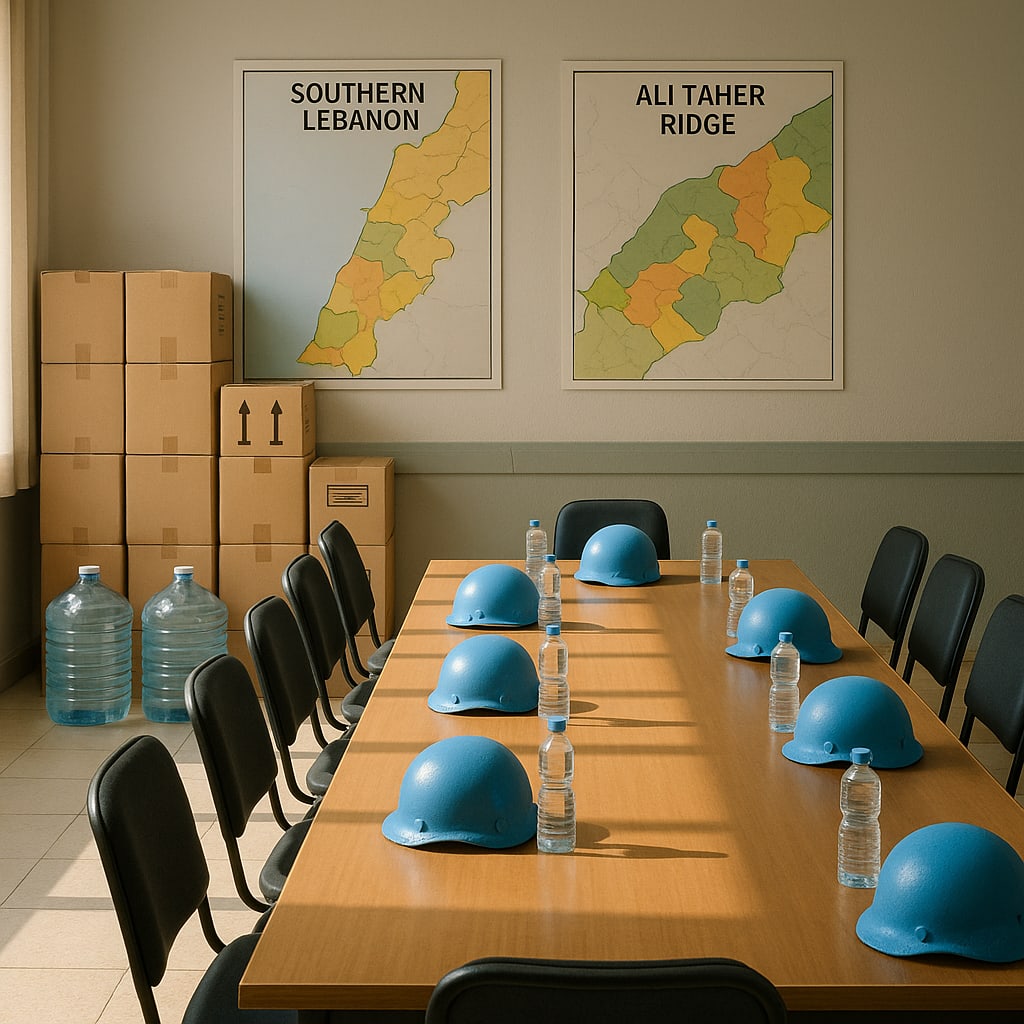
Escalation in southern Lebanon as Israeli strikes intensify despite June truce framework
Narrative Snapshot
Across outlets, there is broad agreement that Israeli strikes in southern Lebanon over the weekend produced one of the deadliest episodes since a June framework took hold, with reporting centered on civilian casualties in Ansar and Deir al-Zahrani and subsequent raids and shelling across multiple districts. French, Canadian, and Hong Kong coverage converge on a toll of at least seven to eleven killed in separate strikes, including children, while correspondents in Beirut describe the moment as a significant escalation even amid ongoing talks with Israel.
Israeli reporting emphasizes operational framing and battlefield dynamics. Haaretz details Hezbollah operatives trapped in tunnels under the Ali Taher ridge and Israel’s decision to prevent their exit unless they surrender, alongside preparation for a potential operation to seize the area. It also notes three IDF soldiers seriously wounded by a Hezbollah attack and the Prime Minister’s Office accusing Hezbollah of using human shields. In parallel, Israel’s defense minister vowed to settle scores “in any arena,” underscoring an intent to sustain pressure.
Regional and alternative outlets foreground a sustained pattern of strikes and their civilian footprint. Tehran Times, Al-Quds News, and Middle East Eye describe recurring bombardment and demolitions across Mansouri, Haddatha, Baraachit, Majdal Zoun, and the Ali al-Taher area. Telesur cites UNIFIL figures on hundreds of projectiles fired over recent days and reports a cumulative death toll above 4,300 since March—claims not echoed elsewhere. Russian state media quotes UN peacekeepers on heightened Israeli activity, while Canadian and Qatari outlets report a Canadian official’s condemnation of an “unlawful invasion” and a new aid package for Lebanon.
Coverage of lived impacts is prominent. Le Monde describes residents’ fear and wildfire risks, including constraints on Lebanese firefighters in Israeli-controlled zones. CBC raises allegations by emergency workers that Israeli operations are deliberately setting wildfires. Al Jazeera reports from “pilot zones” established under the truce framework and from displaced Lebanese watching the south from afar, underscoring how control arrangements and security measures shape civilian mobility and services.
What Happened
Multiple outlets report that Israeli airstrikes in southern Lebanon on August 15 killed at least seven people in Ansar, including children, and four in Deir al-Zahrani, with casualty counts across reports ranging from nine to eleven. France24 and Le Monde frame the episode as the deadliest since a June truce framework tied to negotiations that envisage Hezbollah’s disarmament, a phased Israeli withdrawal, and Lebanese army deployment in “pilot zones.” Haaretz reports three IDF soldiers were seriously wounded by a Hezbollah attack and that Israel is holding Hezbollah operatives trapped in tunnels near the Ali Taher ridge, preparing a possible operation to seize the area. Through August 18–19, Middle East Eye and Tehran Times describe continued Israeli shelling and strikes across multiple southern localities, as UNIFIL, per TASS, reports increased Israeli activity. Haaretz also reports six injuries inside Israel from a detonated cluster submunition near the border. Canadian and Qatari outlets note Ottawa’s condemnation of an “unlawful invasion” and a $50 million aid pledge.
Why It Matters
The June framework linking de-escalation to disarmament, withdrawal, and state deployment in southern “pilot zones” is being stress-tested by intensified strikes, local demolitions, and cross-border fire. French reporting points to a Lebanese presidential assessment that the latest strikes constitute a “clear message” ahead of further talks, signaling that battlefield developments are feeding directly into bargaining dynamics. UNIFIL’s visible patrolling and risk reduction role, cited by TASS and Telesur, underscores the limits and importance of third-party monitoring as violence scales.
The escalation intersects with governance and humanitarian access in contested areas. Le Monde reports Lebanese firefighters require permission in Israeli-controlled zones; Al Jazeera documents displacement and restricted movement around pilot zones; CBC highlights allegations of deliberate wildfire-setting, all pointing to rising civilian vulnerability and contested authority. International positioning is shifting at the margins: Canada’s condemnation and aid announcement suggest greater scrutiny among Western partners. Separately, reports of an Israeli strike on an airfield in Syria’s Idlib (TASS) highlight the risk that Lebanon front dynamics bleed into a wider regional theater.
Diverging Narratives
Israeli government and military-aligned reporting frames current operations as targeting Hezbollah infrastructure and fighters, with a specific emphasis on militants trapped in tunnels under the Ali Taher ridge and plans to prevent their escape without surrender. The Prime Minister’s Office alleges Hezbollah’s use of human shields, a claim relayed before IDF clarification that those killed in Ansar were a Hezbollah commander’s family members. Defense Minister Israel Katz’s vow to settle scores “in any arena” signals sustained operations under a security rationale.
Lebanese, regional, and alternative outlets emphasize violations of the ceasefire framework and civilian harm. Iranian, Palestinian, and UK-based sources describe recurring bombardments and incursions, some using occupation framing and alleging intensified attacks on populated districts. Telesur reports a cumulative death toll exceeding 4,300 since March and cites UNIFIL projectile averages, figures not independently corroborated in other coverage. Humanitarian and environmental risk is foregrounded by CBC’s report on wildfire allegations and Le Monde’s accounts of residents’ isolation and restricted emergency response.
There are also indicators of reciprocal cross-border hazards: Haaretz reports that a submunition, likely from a cluster bomb fired from Lebanon, injured six in northern Israel, underscoring the presence of banned or controversial munitions and adding complexity to accountability narratives. Meanwhile, Al Jazeera’s focus on “pilot zones” and displacement highlights how the same framework invoked to stabilize the south is perceived locally as constraining civilian life, even as it remains central to diplomatic efforts.
What Happens Next
Negotiations scheduled for September, referenced by Le Monde, create a focal point. One pathway is reinforcement of the June framework through demonstrable steps toward Lebanese army deployment in pilot zones and calibrated Israeli drawdowns; this would likely hinge on a reduction in strikes like those reported by France24, SCMP, and CBC and on eased restrictions affecting civilian services noted by Le Monde. The alternative is framework erosion if operations expand, as suggested by reporting on Ali Taher preparations and multi-locality strikes; a continued tempo could prompt more public condemnations like Canada’s and complicate talks.
A second decision point lies around Ali Taher. Haaretz reports Israel is preparing an operation and conditioning tunnel exits on surrender. Indicators include announcements on surrenders, ground maneuvers, or demolition activity like that observed in Haddatha. Finally, monitors should track UNIFIL reporting on activity levels and humanitarian access, as cited by TASS and Telesur, and whether cross-front incidents—such as the Idlib strike or cluster submunition injuries—signal geographic spillover that could reframe the diplomatic agenda.