
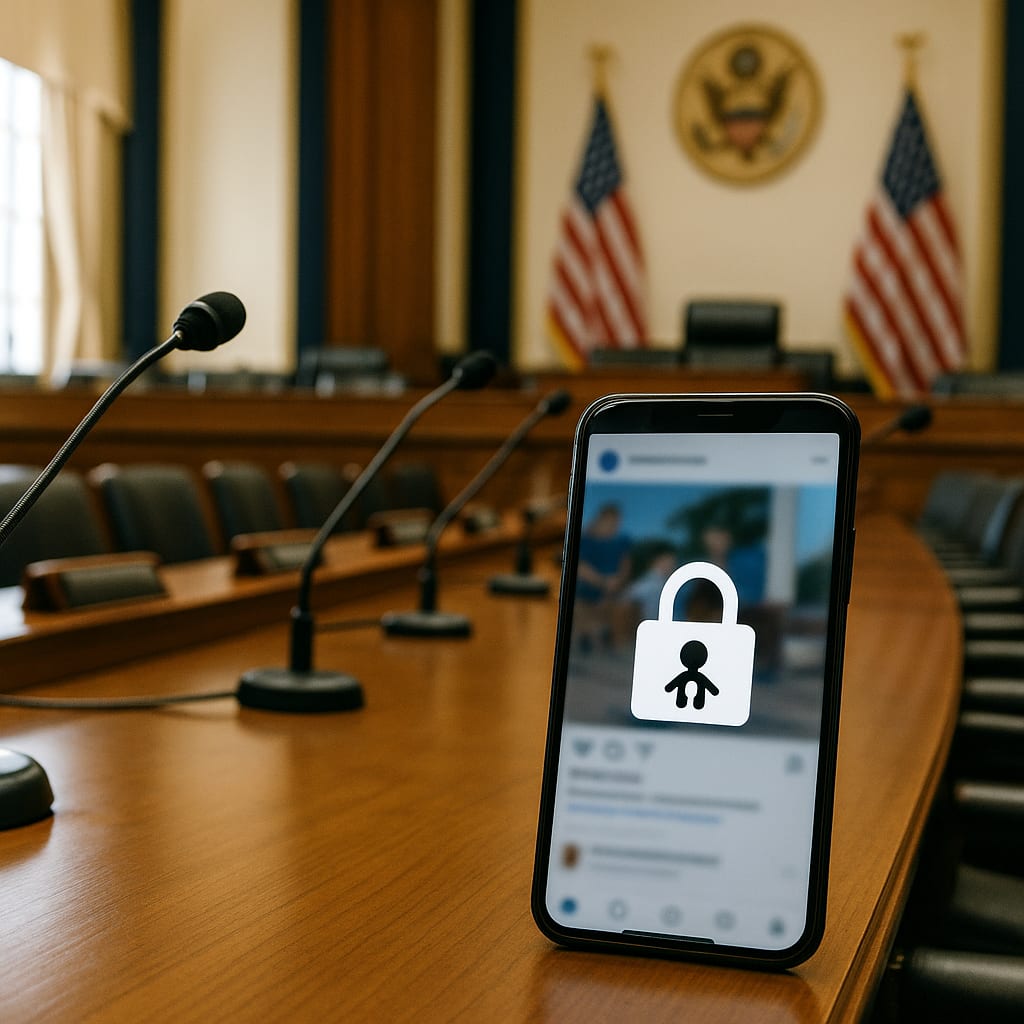
TikTok and ByteDance settle U.S. children’s privacy case for $400 million amid global child-safety clampdowns
Narrative Snapshot
Across outlets, the settlement’s scale and legal basis anchor the coverage, with European and U.S. sources emphasizing the Children’s Online Privacy Protection Act requirements and the allegation that TikTok collected data from users under 13 without parental consent. The BBC and Deutsche Welle frame the payment as among the largest child-privacy resolutions, while France24 adds operational detail on a two-stage payment. Le Monde sharpens the allegation by highlighting claims that the platform “deliberately” enabled under-13 sign-ups, and the Guardian and New York Times focus on the original 2024 filing.
Other outlets stress process and politics rather than size. RT centers that the case ends without a trial or a liability finding, and Fox News foregrounds Attorney General Todd Blanche’s pledge to “come after” companies that fail to protect minors, noting continuity from a Biden-era filing to the current Justice Department posture. The South China Morning Post situates the deal within the broader political scrutiny of TikTok’s U.S. operations.
Non-U.S. developments widen the frame. Brazilian reporting details the data protection authority’s suspension of Discord’s live features after a teen’s death and its new oversight of 22 services, including TikTok and AI systems. Le Monde’s op-ed advances a hardline protective stance on minors’ access to platforms. Telesur English highlights the State Department’s enlistment of Palantir and Anduril for a digital rights program that includes online child protection, while noting expert concerns over the fit of surveillance-linked firms in a free-expression initiative. In parallel, RT previews litigation accusing Meta of harming underage users’ mental health, underscoring that enforcement pressure is not limited to TikTok.
What Happened
TikTok and its parent ByteDance agreed to pay $400 million to resolve a 2024 U.S. Department of Justice and Federal Trade Commission lawsuit alleging violations of children’s online privacy law. Outlets report that prosecutors accused the company of collecting personal data from users under 13 without parental consent and enabling millions of underage accounts; the BBC describes “vast amounts of data,” and Le Monde says the platform “deliberately” allowed under-13 registrations. RT adds that authorities alleged failures to delete children’s data when requested by parents. The Justice Department announced the deal on Friday, with France24 reporting $300 million due immediately and $100 million later. Deutsche Welle and the BBC call it among the largest child-privacy settlements. RT notes the case ends without a trial or liability finding. The Hindu quotes Associate Attorney General Stanley E. Woodward Jr. emphasizing the department’s priority to protect children online.
Why It Matters
The settlement consolidates COPPA enforcement as a primary U.S. lever on global platforms and signals sustained, bipartisan momentum behind child online safety actions. Coverage shows a widening policy toolkit across jurisdictions: Brazil’s data watchdog has compelled immediate product changes by suspending Discord’s live features and has opened inspections spanning 22 platforms and AI services, while also outlining conditions for resumption once “reasonable measures” are in place. In Europe, Le Monde’s op-ed reflects growing support for stronger age-based access restrictions on social media. Simultaneously, Telesur English reports the U.S. State Department’s recruitment of Palantir and Anduril into a program that includes child protection and data privacy—an unusual pairing that some experts question in a free-expression context. With RT flagging major litigation pressure on Meta over youth harms, decision-makers face converging regulatory, legal, and diplomatic pathways that could reshape platform design, data governance, and cross-border compliance regimes.
Diverging Narratives
Outlets differ in what they treat as determinative. U.S. and European reporting coalesces around COPPA violations and settlement magnitude; Deutsche Welle and the BBC stress precedent size, while the Guardian and New York Times emphasize the case’s resolution of allegations of unlawful data collection. Le Monde goes further on intent, citing accusations of deliberate under-13 account enablement, and the BBC underscores the breadth of data allegedly collected. RT frames the outcome as TikTok having “dodged” trial, underlining that no liability was determined—an emphasis on procedural closure over normative judgment. Fox News centers accountability messaging from Attorney General Todd Blanche, who vows to pursue noncompliant firms and points to continuity from the 2024 filing under the prior administration. The South China Morning Post stresses the settlement’s context within ongoing political scrutiny of TikTok’s U.S. operations. Beyond the U.S. case, Brazilian coverage presents a regulator asserting immediate product constraints and broader monitoring, while Telesur English highlights skepticism about deploying surveillance-linked contractors in a program that includes child protection alongside free-expression aims.
What Happens Next
Analysts should track three decision points. First, implementation and follow-through on the settlement’s financial terms, including the two-stage payment identified by France24; any additional compliance measures are not detailed in coverage, but continued U.S. scrutiny flagged by the South China Morning Post suggests further oversight signals will be salient. Second, Brazil’s enforcement trajectory: Folha de S.Paulo reports the ANPD’s conditional path for Discord to restore live features upon “reasonable measures,” and its new inspections of 22 services. Watch for ANPD determinations on what constitutes adequacy and whether scrutiny extends to TikTok and AI providers named in Folha’s reporting. Third, adjacent U.S. legal and policy moves: RT notes Meta’s imminent court test over alleged youth harms, which could set design or disclosure pressures across the sector, and Telesur English reports State Department placements of Palantir and Anduril staff; their remit across child protection and privacy will be an indicator of interagency priorities and the balance between safety and free-expression concerns.