
Maltese tycoon Yorgen Fenech acquitted in Daphne Caruana Galizia murder case
Narrative Snapshot
Coverage is broadly aligned on the acquittal and the immediate backlash. European and international outlets highlight condemnation by the Caruana Galizia family and press freedom groups, treating the case as a bellwether for journalist safety and the rule of law in an EU member state. Several reports foreground the scale of the original shock and global outcry in 2017, and note the renewed protests after the verdict.
Emphases diverge on what most defines the story. Italy’s ANSA leads with the legal detail of an 8–1 jury vote, while France 24 and the South China Morning Post stress the murder’s political aftershocks, including unprecedented protests that brought down a government. Le Monde and Corriere della Sera situate the killing in the journalist’s corruption exposés—Panama Papers-linked revelations and alleged ties between business, politics, and organized crime—whereas the BBC and Bangkok Post underscore her broader anti-corruption profile, including the “one-woman WikiLeaks” moniker. The Guardian adds process forward-looking detail, reporting that prosecutors are expected to appeal, while Al Jazeera frames Fenech as the last person prosecuted over the killing. Le Monde’s follow-up argues the acquittal leaves masterminds unpunished, and ANSA quotes European Parliament President Roberta Metsola’s pledge not to allow any cover-up, indicating that political scrutiny will remain intense.
What Happened
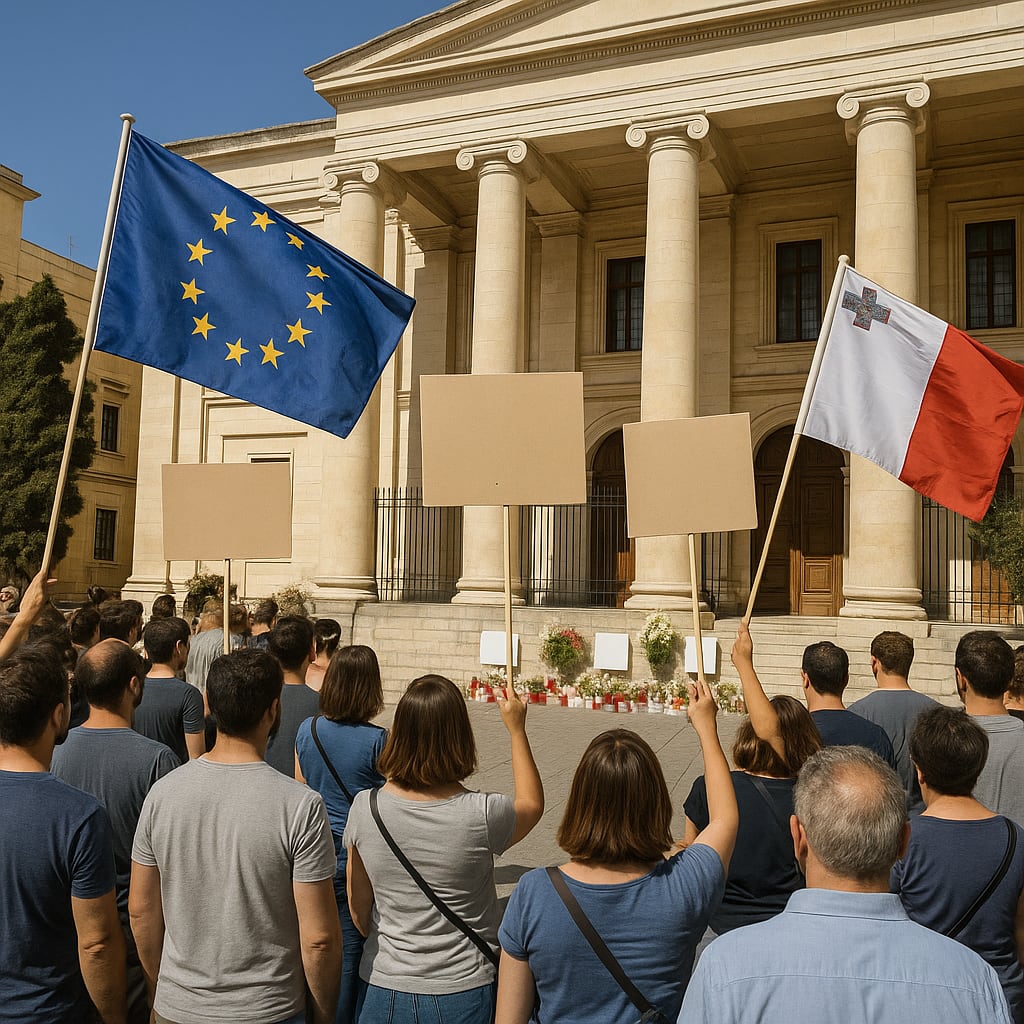
A Maltese jury on 2 September 2026 acquitted businessman Yorgen Fenech of involvement in the 2017 car-bomb murder of investigative journalist Daphne Caruana Galizia. ANSA reports the 8–1 jury vote. Multiple outlets confirm the not-guilty verdict, and the Guardian notes prosecutors are expected to appeal. The killing, which drew global condemnation, triggered mass demonstrations and ultimately brought down a government, according to France 24 and the South China Morning Post. Caruana Galizia had exposed corruption, money laundering, and alleged links between business and politics, including cases tied to the Panama Papers, as reported by the BBC, Corriere della Sera, and Le Monde. Following the verdict, her family condemned the decision as denying justice and pressed for accountability, France 24 and Deutsche Welle report. The Bangkok Post notes protests in Valletta after the acquittal. Al Jazeera describes Fenech as the last man prosecuted over the killing.
Why It Matters
The case sits at the intersection of journalist safety, anti-corruption accountability, and trust in institutions within an EU member state. Campaigners and several outlets have framed it as a landmark for press freedom in Europe, and the family’s assertion of “unresolved institutional failures” underscores systemic governance concerns. The murder’s earlier political fallout—protests that brought down a government—illustrates how such attacks can reshape domestic legitimacy, as reported by France 24 and the South China Morning Post. Le Monde’s focus on Panama Papers-linked investigations connects the case to global financial transparency debates. European Parliament President Roberta Metsola’s vow not to allow any cover-up, reported by ANSA, signals continued political attention from EU leadership. For policymakers and international organizations, the verdict tests whether national mechanisms can credibly deliver accountability in high-profile attacks on journalists, an outcome press freedom advocates and the victim’s family continue to scrutinize.
Diverging Narratives
The legal outcome and the advocacy response are in tension. The jury’s acquittal stands against statements from the Caruana Galizia family and press freedom advocates condemning the verdict and asserting it denies justice, as reported by France 24, Deutsche Welle, and the South China Morning Post. Le Monde’s follow-up characterization that the acquittal leaves the masterminds unpunished contrasts with the court’s decision, while Corriere della Sera amplifies the family’s view that institutional failures enabled the assassination.
There is also divergence on whether the process is closing or still open. The Guardian reports prosecutors are expected to appeal, implying further judicial steps, whereas Al Jazeera describes Fenech as the last man prosecuted, emphasizing the endpoint of prosecutions to date. Outlets differ in framing context: some highlight the murder’s political consequences—unprecedented protests and a government’s fall—while others emphasize evidentiary and procedural specifics such as the 8–1 jury vote. Across reports here, details on other defendants’ outcomes are not provided, keeping attention on Fenech’s acquittal and the broader, unresolved question of ultimate accountability.
What Happens Next
Two immediate decision points emerge. First, the prosecution’s next move: the Guardian reports an expected appeal, so filings, appellate grounds, and court scheduling will shape the legal trajectory. Second, the political and civic response: ANSA cites European Parliament President Metsola’s pledge not to allow any cover-up, and the Bangkok Post reports protests in Valletta; further statements from EU leadership and the scale and organization of demonstrations will indicate pressure on Maltese institutions.
Analysts should watch for continued demands from the family and press freedom advocates, documented by France 24 and Deutsche Welle, and any official steps in Malta addressing the “institutional failures” the family alleges, as cited by Corriere della Sera. International attention is likely to track whether authorities’ actions align with the gravity of a case that drew global condemnation and contributed to a government’s fall, per Le Monde, France 24, and the South China Morning Post.