
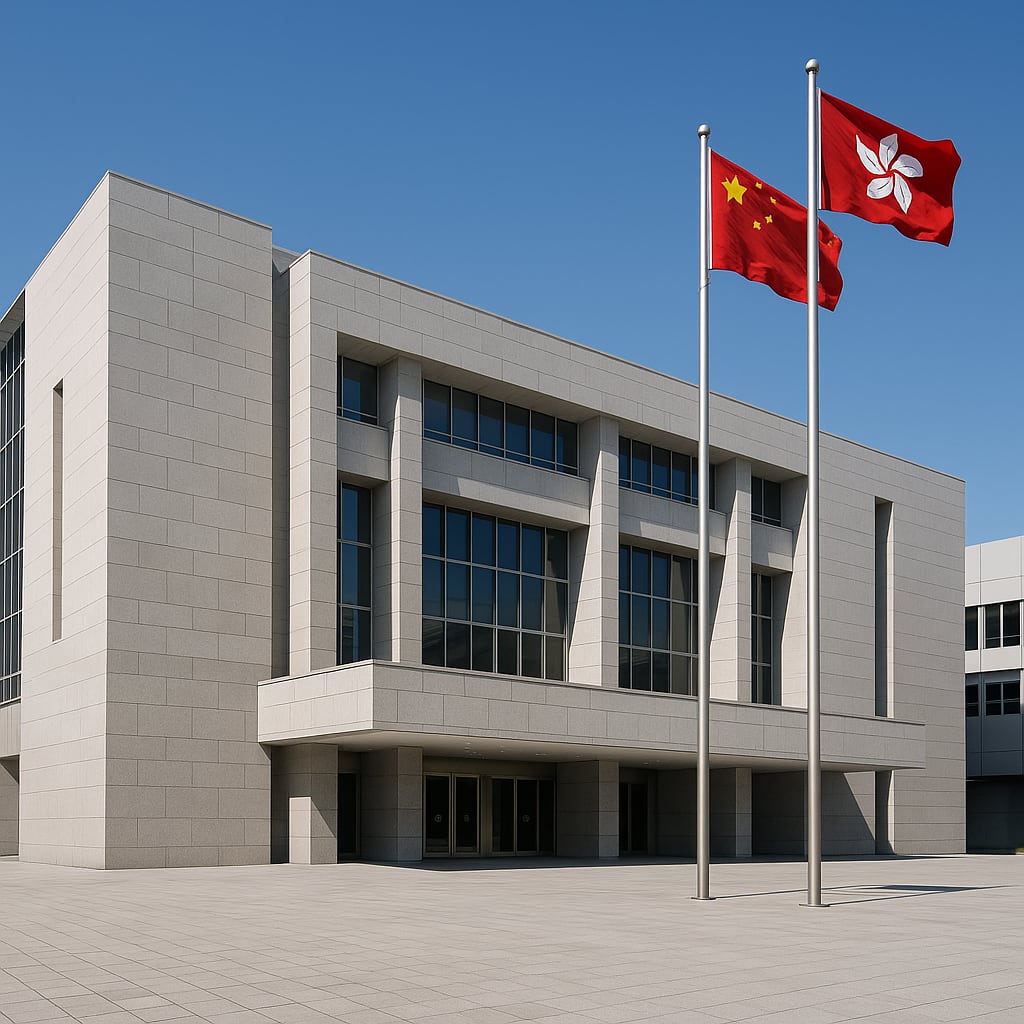
Hong Kong activist Joshua Wong pleads guilty to foreign collusion in second national security case
Narrative Snapshot
Across outlets, the core fact set is consistent: Joshua Wong has entered a guilty plea in a second case under Hong Kong’s national security law for conspiracy to collude with foreign forces or entities, a charge that carries a maximum life sentence. Coverage differs primarily in depth of legal detail and framing. The Guardian specifies prosecutors’ claims that Wong worked with exiled activist Nathan Law to urge sanctions and other hostile measures against China, while many wire-led reports foreground the plea and penalty range without elaborating the conduct. European and Canadian outlets emphasize cumulative punishment and the law’s systemic impact; Le Monde and BBC stress the prospect of life imprisonment and note Wong’s ongoing incarceration under the “controversial” or Beijing-imposed law. France 24’s correspondent goes further on consequences, stating the plea will almost certainly translate into more time behind bars.
What Happened
Joshua Wong pleaded guilty to conspiracy to collude with foreign forces under Hong Kong’s national security law, marking his second case under the statute. Multiple outlets report the offense carries a maximum life sentence. France 24 and the Toronto Star/CBC, citing AP, describe the law as Beijing-imposed and say it has effectively stifled the city’s pro-democracy movement. Wong, 29, is already imprisoned—BBC notes on subversion charges—serving four years and eight months after a prior guilty plea linked to an unofficial political primary, according to France 24 and Corriere della Sera. The Guardian adds that prosecutors accuse him of urging foreign sanctions and working with exiled activist Nathan Law. The Bangkok Post, citing AFP reporters in court, confirms the new plea was entered in Hong Kong and that the charge could bring life imprisonment. The Japan Times situates Wong’s custody since late 2020 amid multiple sentences related to 2019 protests.
Why It Matters
The case underscores sustained enforcement of Hong Kong’s Beijing-imposed national security law against prominent figures of the city’s once-thriving pro-democracy movement, which AP reports (via the Toronto Star and CBC) has been effectively stifled. It also highlights the statute’s foreign-collusion provision, where alleged engagement with overseas actors—described by The Guardian as urging sanctions in coordination with an exiled activist—constitutes a national security offense carrying potential life imprisonment. For governments and international organizations, the episode signals continuing legal exposure for civil society leaders and clarifies the boundary Hong Kong authorities are drawing around foreign political advocacy. For policy planning, it evidences the durability of the post-2020 legal environment that European outlets characterize by severe penalties, cumulative prosecutions, and lengthy incarceration risks, shaping expectations on transnational engagement with Hong Kong activists and calibrating consular, sanctions-related, and civil society support policies.
Diverging Narratives
Outlets converge on the plea and the maximum penalty but diverge in language and emphasis. Some describe “collusion with foreign forces” (France 24, AP via Toronto Star/CBC), others “colluding with foreign entities” (Deutsche Welle), while The Guardian details the alleged conduct—coordination with Nathan Law to seek sanctions—linking the charge to foreign policy actions. European reporting stresses sentence exposure: Le Monde states the 29-year-old now risks life imprisonment while already serving nearly five years; BBC highlights his existing subversion conviction under a “controversial” law. Sky News and Bangkok Post/AFP frame the life-maximum prominently; Deutsche Welle opts for “lengthy prison sentence.” France 24 introduces an outcome-inflected assessment—that the plea will almost certainly mean additional time—whereas most pieces stop at the legal ceiling without forecasting. Several accounts note the law’s broader impact on political activity, but only some anchor that assessment explicitly to AP’s formulation that the movement has been effectively stifled.
What Happens Next
Sentencing is the central decision point. Multiple outlets note the life-maximum attached to foreign-collusion offenses, but none report a set sentence; France 24’s correspondent suggests the plea will almost certainly extend Wong’s incarceration. Analysts should watch for the court’s rationale on penalty severity under the collusion provision and how the plea interacts with Wong’s existing four-year-eight-month term reported by Corriere della Sera and France 24. A second focal point is whether the court treats the conduct described by The Guardian—urging foreign sanctions with an exiled activist—as aggravating within the statute’s framework. Finally, Bangkok Post’s AFP court reporting indicates live courtroom access; further filings or prosecution statements could clarify whether the sentence approaches the maximum or aligns with the “lengthy” range flagged by Deutsche Welle, signaling how Hong Kong courts are calibrating punishment for foreign-collusion admissions.