
Yemen’s deadliest post-truce fighting centers on Red Sea access as casualties top 300 and displacement surges
Narrative Snapshot
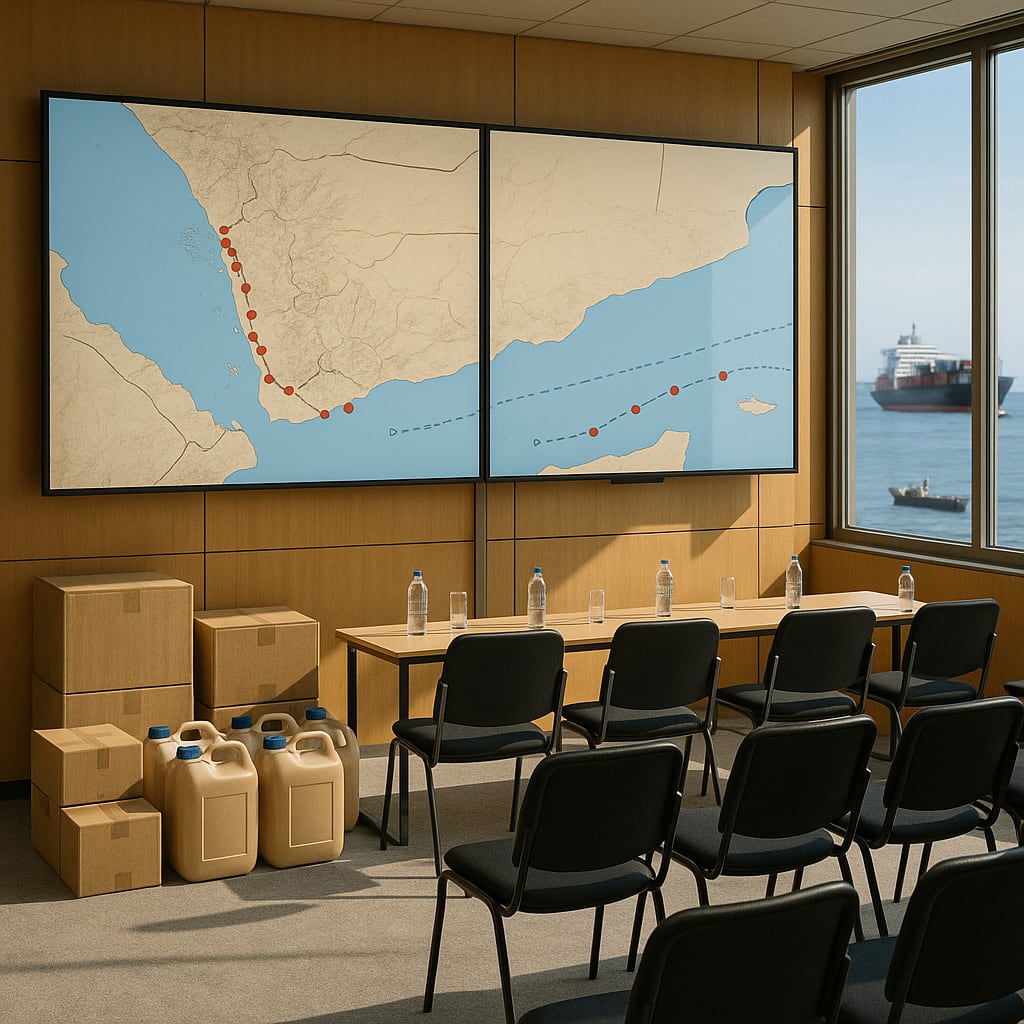
Across the coverage, outlets converge on scale and location. French and international reports frame the battles as a contest for a “gateway to the Red Sea,” with Le Monde citing a Houthi push to maintain control of access routes and France24 highlighting days-long clashes over that corridor. The Times of Israel and South China Morning Post similarly place the fighting along the Taiz–west coast axis, tied to approaches to Mokha and the Bab el-Mandeb strait.
They diverge on momentum. Al Jazeera raises the significance of government gains and, in separate live reporting, notes the government’s pledge to advance on Sanaa, while several outlets center the Houthis as the side launching an offensive to cut off Mokha. Casualty accounting also varies: weekend tallies of more than 140 deaths coexist with cumulative counts exceeding 300 since Thursday, and health-agency figures fold in hundreds more wounded and large-scale displacement. Civilian harm and missile use are emphasized unevenly, with Al Jazeera reporting a deadly strike near Taiz and the SCMP attributing most government losses in one window to missile attacks.
What Happened
Multiple outlets report that fighting intensified from Thursday, when Iran-backed Houthi forces launched operations aimed at cutting off the port of Mokha on the route to the Bab el-Mandeb strait, triggering the deadliest clashes since the 2022 truce collapsed in July. By Sunday, Le Monde and the Times of Israel placed total combatant deaths above 300. France24 and the Bangkok Post, citing military sources, reported more than 140 combatants killed between midday Saturday and early Sunday. The South China Morning Post cited government and Houthi sources saying 84 government troops and 57 Houthi fighters were killed in that same period, with most government deaths from missile attacks. The World Health Organization, reported by Middle East Eye, counted nearly 900 people killed or wounded since last week, with 670 casualties from Taiz and the west coast, and the IOM recorded about 18,500 displaced. Al Jazeera reported at least four civilians killed in a Houthi missile strike near Taiz.
Why It Matters
Control of approaches to Mokha and the Bab el-Mandeb, repeatedly described as a Red Sea “gateway,” carries outsized implications for global commerce, as noted by France24, Le Monde, and Clarin, which underscores the strait’s importance for trade. The spike in violence marks the most lethal phase since the July collapse of the 2022 ceasefire, according to several outlets, underscoring the erosion of conflict-management arrangements and complicating any pathway back to formal de-escalation. The confrontation pits Iran-backed Houthis against Saudi-backed government forces, as reported by the SCMP and France24, linking battlefield outcomes to regional alignments. Humanitarian pressures are mounting alongside front-line shifts, with WHO/IOM figures indicating substantial casualties and displacement. For decision-makers, the contest over terrain abutting key maritime routes, the reported reliance on missile strikes, and an escalatory government posture toward Sanaa, cited by Al Jazeera, elevate risks for civilians, strain aid operations, and raise stakes for regional security actors.
Diverging Narratives
Accounts differ on initiative and gains. The Times of Israel describes a Houthi campaign launched Thursday to sever Mokha’s link to the Bab el-Mandeb, while Le Monde frames Houthi actions as an offensive to maintain control of Red Sea access. In contrast, Al Jazeera highlights government gains and, in separate live reporting, notes a pledge by Saudi-backed forces to seize Sanaa, suggesting a bid to expand operations beyond the west coast front. These competing emphases leave the immediate balance of control around Mokha and adjacent corridors unresolved in open reporting.
Casualty reporting also presents a layered picture. France24 and the Bangkok Post cite more than 140 combatants killed over a specific weekend window, while Le Monde and the Times of Israel place total deaths above 300 since Thursday. The SCMP offers side-attributed figures for that weekend period and notes missiles as a primary cause of government losses. Middle East Eye, citing WHO and IOM, folds in broader conflict effects—nearly 900 people killed or wounded and roughly 18,500 displaced—expanding the frame beyond front-line tallies. Civilian harm is unevenly foregrounded: Al Jazeera reports a Houthi missile strike killing at least four civilians near Taiz, while other outlets focus on battlefield dynamics.
What Happens Next
Key decisions crystallize around three fronts. First is the contest for access to the Red Sea corridor near Mokha and the Bab el-Mandeb. If Houthi efforts to cut approaches hold, as described by the Times of Israel and Le Monde, pressure on government supply lines and coastal control would intensify; if government forces blunt or reverse these moves, France24’s “gateway” remains under Saudi-backed influence. Analysts should watch verified changes in control along the Taiz–west coast axis.
Second is the government’s stated intent to move on Sanaa, reported by Al Jazeera. A push beyond current fronts would broaden the war’s geographic scope; a decision to consolidate would signal an effort to stabilize the west coast battlespace. Indicators include new mobilization orders, openings of additional fronts, or pauses to regroup.
Third is humanitarian trajectory. WHO/IOM figures cited by Middle East Eye point to escalating needs. Rising displacement or continued missile strikes, including those noted by Al Jazeera and the SCMP, would shape access, protection priorities, and aid delivery conditions.