
Wildfires span continents as UN underscores 100,000 annual smoke deaths and rising health risks
Narrative Snapshot
Across outlets, reporting converges on a pattern of simultaneous fires straining local response capacity while amplifying a global public-health burden tied to smoke. Coverage from France, Kenya, Türkiye, Albania, and Colombia documents evacuations, containment challenges, and burned area, while multiple reports cite the World Meteorological Organization’s finding that extreme fire-smoke events have tripled since the 1990s and are linked to at least 100,000 deaths annually. Health framing extends beyond fire zones: in Southeast Asia, distant Indonesian fires degraded air quality in Manila enough to prompt mask guidance.
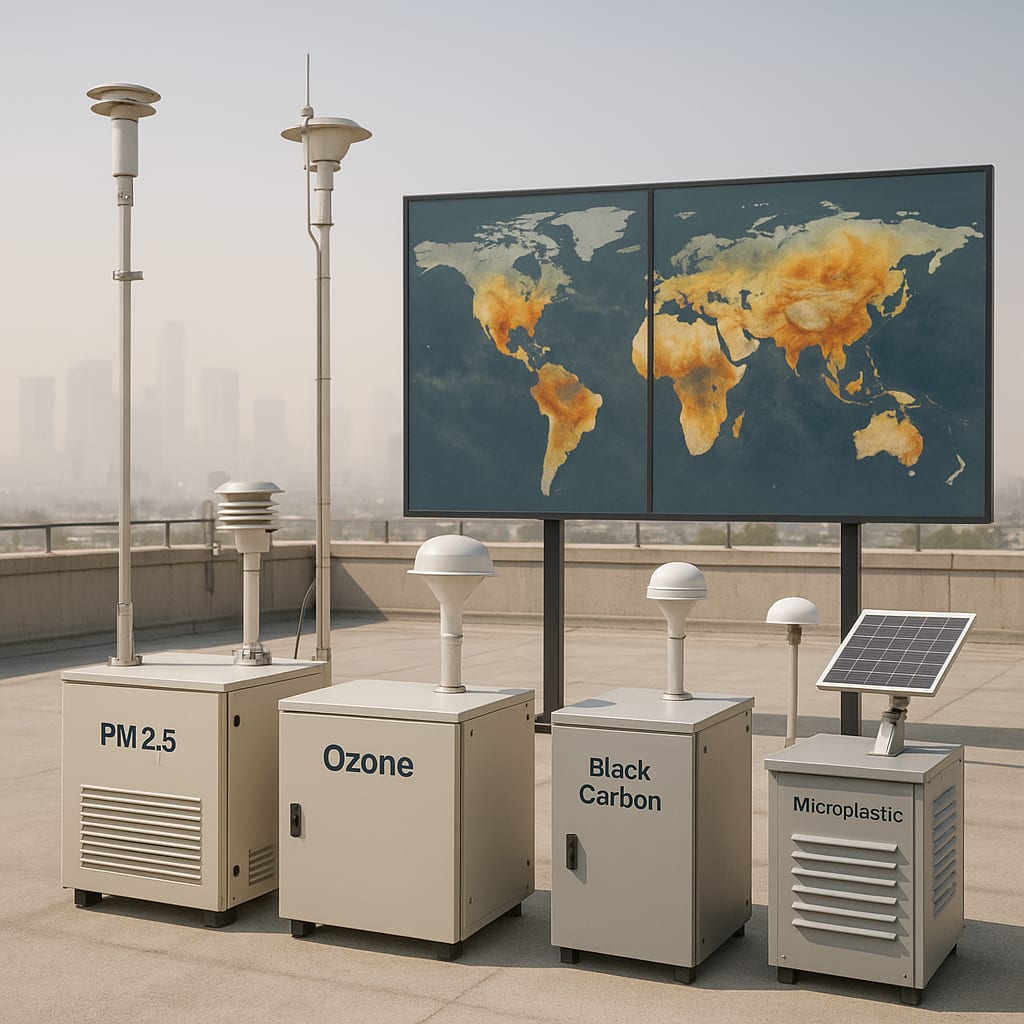
Emphasis differs by venue. European reporting balances incident updates with institutional responses, including French firefighters’ nationwide mobilization for more resources after an unusually intense summer. Latin American coverage foregrounds alleged criminal ignition and threats to water sources in Colombia. African and Mediterranean dispatches stress scale and tourism-facing evacuations. UN-linked pieces cohere around the air-quality and climate nexus and the need to monitor PM2.5, surface ozone, black carbon, and microplastics.
What is most at stake varies by geography but connects through health, livelihoods, and capacity: smoke exposure and “hot spots” despite “rather stable” fire lines in France; multi-agency coordination in Kenya’s highlands; evacuation and tourism risks in coastal Albania and Antalya; and agricultural and water-security losses in Colombia. Together, the reports situate local emergencies within a widening, undercounted transboundary health risk.
What Happened
Fires flared across several regions. In France’s Aspe Valley, a vegetation fire that began mid-week expanded to 125 hectares by Sunday, with authorities calling the situation rather stable even as unfavorable weather and persistent hot spots complicated efforts. Türkiye’s Antalya province saw evacuations near resorts amid large forest fires. In Albania, a serious blaze threatened the coastal city of Himara, displacing residents and tourists. Kenya’s Mount Kenya forest lost about 30,000 acres of moorland after a September 1 outbreak, triggering a multi-agency response. In Colombia’s Norte de Santander, over 3,000 hectares burned around Ábrego; the mayor said the fire was intentionally set, and investigators from Corponor are pursuing leads while reinforcements and air support are arranged. Separately, smoke from Indonesian fires pushed Manila’s air to “acutely unhealthy” levels. UN-linked reporting attributes nearly 100,000 excess deaths annually to wildfire smoke and notes a tripling of extreme fire-smoke events since the 1990s.
Why It Matters
The coverage underscores a structural shift in risk management: local fire suppression is colliding with a rising, transboundary air-quality burden that existing public-health and environmental regimes have not fully absorbed. The World Meteorological Organization links wildfire and heatwave pollution with setbacks to air-quality and climate objectives and calls for better monitoring of PM2.5, surface ozone, black carbon, and microplastics, signaling a need to integrate air and climate policy tools. Urban exposure far from burn sites, as in Manila during Indonesian haze episodes, revives regional concerns about managing recurring cross-border pollution.
Institutional capacity is a central thread. French firefighters’ national mobilization for more resources follows a summer described as unusually virulent, highlighting resourcing debates likely to reverberate in other high-risk regions. Elsewhere, multi-agency firefighting in Kenya and planned air support in Colombia point to operational dependencies on inter-agency coordination. For decision-makers, the implications include investment in suppression and prevention, public-health preparedness for smoke events, and strengthened monitoring systems to inform advisories and transboundary cooperation.
Diverging Narratives
Outlets align on the scale and persistence of fire risks but differ in framing proximate causes and institutional responses. In Colombia, officials emphasize alleged intentional ignition and a criminal investigation, while other geographies focus on weather, terrain, and operational constraints without attributing cause. French reporting conveys a cautious operational steadiness—“rather stable” lines—in tension with unfavorable weather and enduring hot spots, reflecting a dual message of containment and fragility. In Türkiye and Albania, the dominant frame is evacuation near tourist zones, centering immediate protection of people and economic locales.
On health impacts, UN-linked stories from multiple outlets converge on the quantified burden—nearly 100,000 excess deaths annually—and the tripling of extreme smoke events, asserting that harms remain underestimated. By contrast, country-level incident reports largely stress hectares or acres burned, evacuations, and reinforcement deployments, with health risks more implicit unless smoke directly affects population centers, as in Manila’s “acutely unhealthy” air. Resource debates also surface unevenly: France’s nationwide firefighters’ mobilization is explicit about needs and leverage, whereas other contexts reference multi-agency action without broader policy contention.
What Happens Next
Several decision points are visible in the reporting. In France, firefighters’ planned national mobilization to demand more resources will test how authorities balance labor actions with guaranteed emergency coverage; analysts should watch for government responses, requisitions, and any commitments on staffing or equipment. In Colombia, the course of Corponor’s investigation into alleged arson and the deployment of air support will shape near-term containment; signals include identified suspects, expanded aerial operations, and updates from the interior minister on fire behavior in difficult terrain.
Operationally, containment trajectories in Kenya’s Mount Kenya moorlands and in Türkiye’s Antalya will hinge on multi-agency coordination and evacuation management, with updates on area burned and return guidance serving as indicators. Regionally, Manila’s experience with Indonesian haze spotlights wind-driven exposure; monitoring advisories, mask guidance, and fire activity in Kalimantan will indicate the persistence of transboundary pollution episodes. At the systems level, any uptake of WMO’s call for enhanced monitoring of PM2.5, ozone, black carbon, and microplastics will signal whether air-quality and climate policy are being integrated in response to escalating smoke risks.