
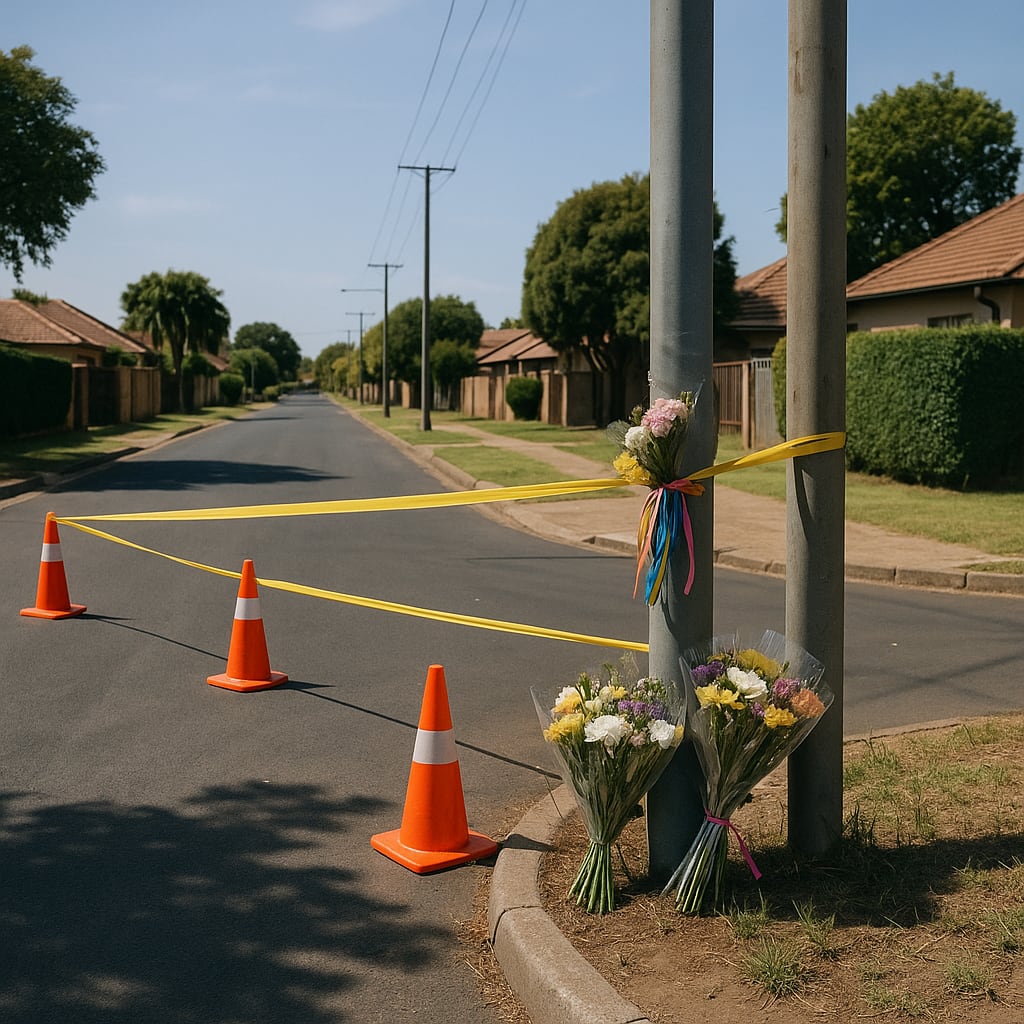
Ninth woman found in Ekurhuleni as police probe possible links and communities mobilize
Narrative Snapshot
South African outlets center the killings within an ongoing femicide crisis and institutional performance. Mail & Guardian foregrounds grieving families, community fear, and demands for “decisive state action and systemic changes,” while also noting that overall murder numbers have fallen even as women continue to be killed in large numbers each quarter, underscoring a gap between policy commitments and lived safety. Official communications carried by AllAfrica’s SAnews and Daily Maverick emphasize operational moves—a manhunt, a task team—and urge caution, both in personal safety and in avoiding speculation.
International coverage diverges in emphasis. France24 highlights serial-killer suspicions; the BBC and Bangkok Post focus on public mobilization and police advisories to avoid isolated areas; Al Jazeera amplifies a gender commissioner’s framing that women are being “hunted,” situating the events within South Africa’s broader femicide crisis. The Toronto Star/AP provides a concise situational baseline, reflecting earlier counts before the ninth body was reported.
Investigative detail also varies. Scrolla reports commonalities in several Kempton Park cases—bodies found half-dressed, with bruises, and indications of sexual assault—while Leadership notes police scrutiny of fingerprints to verify the nationality of a person under investigation and to probe links. In parallel, SAPS communications push back against viral rumors, urging the public to refrain from spreading unverified claims about suspects and locations—an information-control priority not equally foregrounded across outlets.
What Happened
By mid-September, South African police were investigating multiple killings of women across Ekurhuleni, east of Johannesburg. After eight bodies were reported between July and September, a ninth was found in Dawn Park on September 17, intensifying fear and scrutiny (Mail & Guardian; Daily Maverick; AP via Toronto Star). Several victims were discovered in and around Kempton Park, including along the R21 and near Pomona; official advisories asked women—particularly in Rhodesfield—to exercise extreme caution (SAnews via AllAfrica). Reporting from Scrolla indicated that four women in the same area were found half-dressed with bruises, and police said four of five Kempton Park victims showed signs of sexual assault. Identified victims include runner Elizabeth “Tsontso” Moselakgomo and Gracious Nkomo; Itumeleng Kekana’s remains were found on August 3 (Mail & Guardian; SAnews; Daily Maverick). Police launched a manhunt and a task team, appealed for information, and warned against speculation (Daily Maverick; BBC; SAnews). As pressure built, civil society organized a “Picket for Justice,” and hundreds of runners protested (AllAfrica; Bangkok Post). Police said fingerprints were being examined to verify the nationality of a person under investigation and to probe possible links (Leadership via AllAfrica).
Why It Matters
These killings are unfolding within South Africa’s protracted struggle with gender-based violence. While overall murder statistics have declined, Mail & Guardian reports that hundreds of women are still murdered each quarter, highlighting a persistent implementation gap between national commitments on combating femicide and outcomes on the ground. The events test public confidence in policing, forensics, and victim identification processes; Daily Maverick’s reporting on evidence collection and DNA processing raises operational questions likely to shape both investigative timelines and trust.
Crisis communications and rumor control have become part of the security response. SAPS advisories to avoid isolated areas, appeals for information, and warnings against misinformation reflect an effort to manage risk and public perception (SAnews; Daily Maverick; BBC). The fingerprint-based verification of a person under investigation’s nationality indicates that identity management and potential cross-jurisdictional checks can intersect with core investigative work (Leadership via AllAfrica). Mobilization by labor federations, civic bodies, and runners points to a widening coalition pressing for accountability and resourcing, signaling political and policy salience beyond local policing.
Diverging Narratives
One axis of divergence is interpretive. France24 and some South African commentary describe serial-killer suspicions, citing similarities across cases, while SAPS-linked reporting urges restraint, asking the public to avoid speculation as investigators test potential links (France24; Daily Maverick via AllAfrica). The BBC documents the establishment of a task team and police directives on personal safety, framing the issue as an urgent public-security matter without asserting a single perpetrator.
A second divergence concerns evidentiary detail. Scrolla highlights apparent commonalities—bodies found half-dressed, with bruises, and signs of sexual assault in most Kempton Park cases—suggesting patterns that could be probative if confirmed (Scrolla via AllAfrica). By contrast, other outlets foreground process: appeals for tips, the manhunt, and the formation of a task team (Daily Maverick; BBC). Leadership’s report that police are checking fingerprints to verify a person under investigation’s nationality introduces a line of inquiry not prominent elsewhere, while SAPS communications in North West province explicitly counter false social-media claims about a supposed “Kempton Park Serial Killer” relocating to Potchefstroom (SAnews via AllAfrica).
Finally, counts and emphasis vary by timing and lens: AP reported eight victims before the ninth was found, while Mail & Guardian and Al Jazeera reported nine. Domestic analysis embeds the case within a broader femicide crisis and governance failings, whereas several international pieces focus on public protests and immediate safety guidance.
What Happens Next
Key decision points cluster around link analysis, forensics, and public communication. If SAPS confirms that the killings are linked, expect the task team’s mandate and tactics to remain central, with messaging focused on targeted risk mitigation; if links are not established, police may broaden lines of inquiry across multiple perpetrators, while maintaining area-specific advisories (Daily Maverick; BBC). Forensic identifications and DNA processing will shape timelines and investigatory focus; additional confirmed identities would inform victimology and potential patterns (SAnews; Daily Maverick).
The status of the person under investigation whose fingerprints are being scrutinized is another hinge: verification of nationality and any established links could drive arrests or further probes; absent such confirmation, the manhunt and appeals for information will continue (Leadership via AllAfrica; Daily Maverick). Analysts should watch for SAPS updates on the task team’s findings, changes to public advisories in Kempton Park and surrounding areas, outcomes from the “Picket for Justice” actions including engagements at the Union Buildings, and any official rebuttals of circulating rumors, which signal the information environment’s influence on the investigation (AllAfrica; SAnews).