
Trump signs sweeping Russia sanctions law, extending Iran measures and authorizing up to 100% tariffs on major buyers of Russian energy
Narrative Snapshot
Across outlets, there is broad agreement that the new law is expansive in scope and designed to tighten economic pressure on Russia’s war effort while extending existing sanctions on Iran. Western and Ukrainian sources foreground the objective of constraining Moscow’s revenue streams and strengthening U.S. leverage, while European reporting spotlights the law’s reach into energy logistics, including measures against Russia’s “shadow fleet,” and flags concerns about enlarged presidential tariff authority. Indian and French coverage emphasizes that the tariff provisions could reach large third-country buyers of Russian energy, explicitly including India and China.
Russian and Iranian outlets frame the statute as destabilizing and coercive. Russian state and aligned media warn of impediments to peace efforts and energy market disruption, while Iranian sources characterize the Iran provisions as unilateral overreach. U.S. and European reporting also notes domestic unease with the breadth of executive discretion the law confers, even as they describe bipartisan votes advancing it.
What Happened
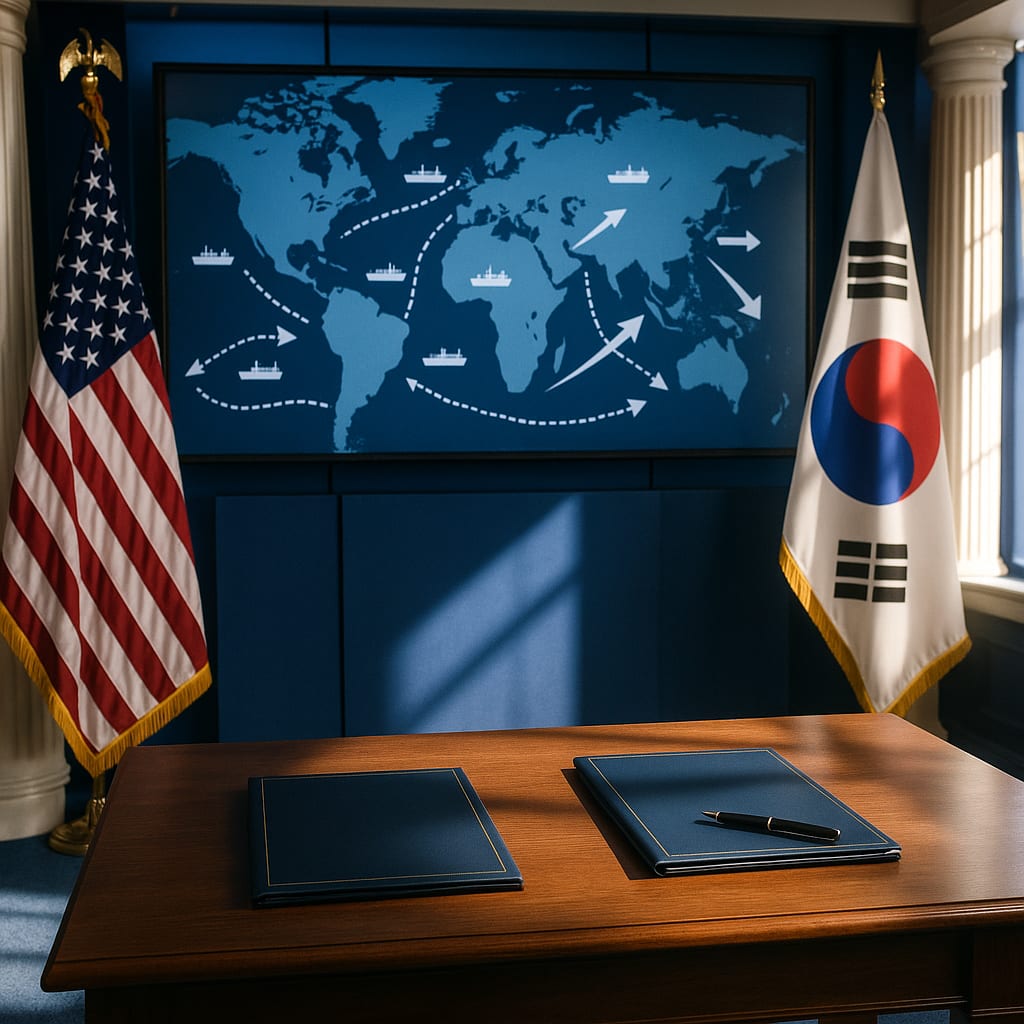
President Donald Trump signed into law H.R. 5334, the Lindsey O. Graham Sanctioning Russia and Iran Act of 2026, on September 18, following House passage by 262–159 and an earlier 86–11 Senate vote (The Guardian; RT; RFE/RL). The statute targets Russian officials, banks, and core economic sectors, and includes measures aimed at the “shadow fleet” moving Russian energy (Deutsche Welle; Clarin; RT; Toronto Star; ANSA). It authorizes tariffs of up to 100% on goods from countries that continue buying Russian crude or natural gas and were among the five largest importers over the prior year, a scope reported to include India and China (Kyiv Independent; Le Monde; The Hindu; RT). The law also extends existing U.S. sanctions on Iran to 2031 (Middle East Eye; TASS). Named for the late Senator Lindsey Graham, a prominent advocate of tougher measures on Russia and support for Ukraine, the act passed after months of congressional delay (BBC; Bangkok Post). The New York Times reports the president retains broad leeway to waive requirements.
Why It Matters
The legislation consolidates and expands U.S. economic coercive tools at two levels: direct pressure on Russia’s wartime economy and secondary pressure on third countries that sustain Russian energy revenues. By authorizing up to 100% tariffs on major buyers of Russian oil and gas, and by explicitly encompassing countries such as India and China in European and Indian reporting, the law inserts U.S. sanctions and trade policy into the center of global energy trade relationships (Le Monde; The Hindu; Kyiv Independent). It extends the Iran sanctions architecture through 2031, signaling continuity in Washington’s approach to Tehran irrespective of other diplomatic tracks (Middle East Eye; TASS; Tehran Times).
Institutionally, multiple outlets note that the statute vests significant discretion in the White House—both to levy high tariffs and to waive requirements—raising questions about checks on executive trade and sanctions authority even amid bipartisan votes (Le Monde; The Guardian; New York Times). For multilateral coordination on Ukraine, the measures against the “shadow fleet” underscore a renewed focus on maritime enforcement and financial channels (Deutsche Welle; Clarin; RT).
Diverging Narratives
Western and Ukrainian outlets characterize the law as a bid to restrict Russian financing and increase leverage for ending the war, with descriptions of “sweeping sanctions” meant to “punish and pressure Moscow” and “choke off funds” (Toronto Star; Al Jazeera English; The Guardian). Reporting in Germany and Argentina emphasizes operational targets, notably officials, banks, defense and energy sectors, and tankers facilitating Russian exports (Deutsche Welle; Clarin). Indian and French coverage underscores exposure for major third-country importers, specifying that India and China fall within the statute’s ambit, and highlights domestic U.S. concerns about unconstrained tariff authority up to 100% (The Hindu; Le Monde).
Russian and Iranian perspectives diverge sharply. Russian outlets warn the law could complicate Ukraine peace efforts and destabilize energy markets, with potential to raise U.S. fuel prices (RT; New York Times). Iranian and regional coverage frames the extension of Iran sanctions as “economic terrorism” or unilateral coercion, depicting Washington’s approach as overreach (Middle East Eye; Tehran Times). Even within Western reporting, there is ambivalence over executive discretion: while the law equips the president with extensive tools, the New York Times notes broad waiver authority, and both Le Monde and The Guardian cite Democratic concerns about insufficient controls.
What Happens Next
Implementation choices by the White House will determine the law’s practical reach. A central decision is whether and how to impose up to 100% tariffs on goods from the five largest buyers of Russian oil and gas; reporting indicates this could include India and China, but the law does not name countries and the president has broad waiver authority (Kyiv Independent; Le Monde; The Hindu; New York Times). Analysts should watch forthcoming designations or tariff determinations and any stated criteria for waivers.
Enforcement against Russia’s “shadow fleet” will hinge on targeting ships, facilitators, and financial intermediaries; further U.S. actions identifying tankers and related entities would signal the intended rigor of maritime enforcement (Deutsche Welle; Clarin; RT). Reactions from Moscow and energy markets bear monitoring, given Russian warnings of market destabilization and higher U.S. fuel prices (RT). On Iran, Tehran has already condemned the extension to 2031; additional official responses or retaliatory measures would indicate how Iran plans to address the prolonged sanctions horizon (Middle East Eye; Tehran Times). Congressional statements may also clarify how lawmakers intend to oversee the expanded tariff powers noted with concern in European and U.S. reporting (Le Monde; The Guardian).